
Mecklenburg sheriff candidates answer questions about ICE relations, juvenile jail
To help inform voters in the March 3, 2026, election, this candidate questionnaire is available to be republished by local publications in North Carolina without any cost. Please consider subscribing to The Charlotte Observer to help make this coverage possible.
This story focuses on the election for Mecklenburg County sheriff, which features incumbent Garry McFadden, former Chief Deputy Rodney Collins, Charlotte-Mecklenburg Police Sgt. Ricky Robbins and former Detention Officer Antwain Nance. There is no Republican candidates. So, the March primary winner will be the next sheriff.
The Charlotte Observer asked all candidates in this race to complete a questionnaire to inform voters about their opinions on big issues facing voters. Answers have been edited for brevity.
Rodney Collins
Age: 58
Campaign website or social media: www.collins4sheriff.com
Occupation: Retired chief deputy sheriff who served in the Mecklenburg County Sheriff’s Office for 30 years. Most recently I served on the Equity in Criminal Justice Funding and Budgeting Committee with the National Criminal Justice Association, supporting communities in establishing meaningful relationships and accessing resources to advance public safety and equity.
Education: My educational background includes a Bachelor’s Degree in Criminal Justice and a Master’s Degree in Business Administration (MBA), both from Pfeiffer University. In addition, I am a distinguished graduate of the Northwestern University School of Police Staff and Command (Class #138), which is recognized as one of the nation’s leading public safety management programs.
Have you run for elected office before?
I am seeking elected office for the very first time. While I have extensive experience in public service and leadership within the Mecklenburg County Sheriff’s Office, this campaign marks my initial foray into running for an elected position. My focus remains on bringing my dedication and institutional knowledge to serve the community in this new capacity.
Please list highlights of your civic involvement.
My record of civic engagement is extensive, with a primary emphasis on advancing fairness and equity within the local criminal justice system. Through my efforts, I have worked to foster trust, transparency, and accountability throughout our community. In addition to these initiatives, I have dedicated years to serving on the boards of non-profit organizations such as Right Moves for Youth and Police Athletic League that are committed to improving outcomes for our youth. I also volunteer at the Champion House of Care Food Pantry which is a non-profit that address food insecurities in the Sugar Creek corridor. My ongoing involvement reflects a deep commitment to making a positive impact and supporting those most in need.
What are the most important issues at the Mecklenburg County Sheriff’s Office today? How would you address them?
The most important issue facing the Mecklenburg County Sheriff’s Office today is staffing. Every service that the Sheriff’s Office is mandated to provide is predicated on the ability to adequately staff. The Sheriff’s Office depends on well-trained deputies, detention officers, and support personnel to provide exceptional service. I would prioritize recruitment, retention, and wellness in order to serve this community professionally and safely. Accountability from the top down and reestablishing a healthy workplace culture is another important issue. The Sheriff sets the tone, and I will establish clear expectations, standards and direction for the organization. I will model what professionalism should look like from your elected Sheriff.
What would you do to recruit and retain staff at the sheriff’s office?
To recruit and retain staff at the Mecklenburg County Sheriff’s Office my first priority is to build a healthy workplace culture where employees feel supported, valued and proud to serve. Simply respecting the people that do the work goes a long way towards our recruiting and retention efforts. Retention is really about leadership and when a healthy culture of professionalism, accountability, and fairness is established and employees know that their leadership has them covered they are most likely to stay. I have always been an advocate for competitive salaries and benefits that reflect the demanding nature of the job to include retention bonuses and wellness services. Retention suffers when employees can earn more by doing less somewhere else. Investing in comprehensive professional development programs is one of my core priorities. By providing access to modern training that incorporates the latest trends and best practices in law enforcement and public safety, I will ensure that every employee at the Mecklenburg County Sheriff’s Office has the opportunity to grow their skills and stay current in their field. Equally important is the establishment of clear and transparent promotional paths within the Sheriff’s Office. I am dedicated to developing a fair and equitable advancement process, so every employee knows what is required to move forward in their career. To enhance recruitment efforts at the Mecklenburg County Sheriff’s Office, I am committed to actively engaging and expanding our recruitment pipelines. This includes implementing targeted advertising strategies to reach a broader pool of candidates who are interested in law enforcement careers. Additionally, I will establish partnerships with local community colleges and universities, providing students with clear pathways and opportunities to join our team upon graduation. Recognizing the valuable skills and experience veterans bring, I will also focus on connecting with military installations and veterans’ organizations, encouraging former service members to consider careers within the Sheriff’s Office.
Do you believe that Jail North should be reopened as a juvenile detention center? If so, please explain why. Also explain how you would reopen it.
The concerns regarding proper care and supervision of justice-involved youth are significant, and I accept a shared responsibility for maintaining public safety while supporting efforts focused on rehabilitation and diversion. Nevertheless, reopening Jail North as a juvenile detention center under the authority of the Mecklenburg County Sheriff’s Office is not an appropriate course of action. Rather than duplicating or reassigning this responsibility at the county level, it is imperative that we hold the North Carolina Department of Public Safety accountable for fulfilling its mandated obligations under North Carolina law. The more effective and responsible approach is to advocate for the North Carolina Department of Public Safety to construct, staff, and operate a dedicated juvenile facility in Mecklenburg County. I agree with the need to keep Mecklenburg County juveniles near their families and support networks, and I am prepared to leverage my relationships with the Board of County Commissioners to help secure land and resources to advance this initiative, and to collaborate with the state and NCDPS. Additionally, I am committed to enhancing local alternatives—such as diversion programs, community-led interventions, and comprehensive mental health resources—to further reduce youth detention rates because we cannot detention our way out of a juvenile crime problem.
The current sheriff reopened Jail North under a three-year contract for juvenile detention services; however, the facility was ultimately closed following the contract’s expiration due to fiscal challenges. Despite persistent advocacy for the Sheriff’s Office to manage juvenile detention, this responsibility is most appropriately vested with the North Carolina Department of Public Safety. Another significant challenge lies in the mandated staffing ratio of one detention officer for every eight juveniles, which results in prohibitive personnel requirements and associated costs. The infrastructure and operational demands needed to provide appropriate services for this population would place an undue financial burden on the citizens of Mecklenburg County.
How can you best protect inmates and staff alike at Detention Center Central?
Ensuring the protection of both inmates and staff at Detention Center Central necessitates a methodical and balanced approach, one that places equal emphasis on safety, dignity, and accountability. This objective is best achieved through the maintenance of appropriate staffing ratios, which serve to alleviate employee fatigue, reduce errors, and mitigate the occurrence of use of force incidents. It is of note that Detention Center Central is an accredited facility, subject to stringent requirements that must be continually upheld. Moreover, restoring a culture grounded in professionalism, transparency, and mutual respect is essential for enhancing the safety of staff and individuals in custody. By adhering to established guidelines, providing comprehensive training, and enforcing clear accountability measures, the detention environment can be managed both safely and efficiently. Collectively, these initiatives foster an atmosphere in which the safety and well-being of all individuals within the facility are prioritized.
Under your leadership, what kind of relationship will the sheriff’s office have with Immigration and Customs Enforcement?
Under my leadership, the Mecklenburg County Sheriff’s Office will uphold a professional, lawful, and strictly limited relationship with Immigration and Customs Enforcement (ICE). I categorically oppose any initiatives that would convert local law enforcement personnel into de facto immigration agents or erode the trust and collaboration essential between the Sheriff’s Office and the communities we are sworn to serve. The primary duty of local law enforcement is to serve and safeguard the interests of our local communities. Matters pertaining to immigration enforcement fall within the exclusive purview of federal authorities. My administration will ensure that all departmental policies reflect this delineation by emphasizing the highest standards of professionalism in all interactions and by rigorously respecting principles of due process and human rights.
What separates you from the other candidates in this race?
My candidacy is set apart from others by extensive institutional knowledge and direct experience within the Mecklenburg County Sheriff’s Office. I am the only candidate who has dedicated three decades of service to this organization. Beginning my career as an entry-level deputy sheriff, I systematically advanced through the ranks and ultimately retired as Chief Deputy—the department’s second-highest position. Throughout my tenure, I have worked in every major division of the Sheriff’s Office, acquiring invaluable expertise and making noteworthy contributions to its operations. My professional background encompasses the authorship of policies, procedures, and operational plans that continue to influence the office’s direction today. I have overseen significant projects and managed large-scale public safety events, drawing upon a deep understanding of both the operational and administrative aspects of the Sheriff’s Office. I understand the county budgeting process and will ensure that every budget request is justified with data, speaks to operational necessities, and measurable outcomes. These experiences have thoroughly prepared me for the role of Sheriff and I’m able to provide effective leadership to the organization from day one.
Garry McFadden
Age: 66
Campaign website or social media: www.mcfadden4sheriff.com
Occupation: Sheriff
Education: Bachelor of Science
Have you run for elected office before? Please list previous offices you sought or held.
Sheriff
Please list highlights of your civic involvement.
- 2015 Mayor’s Citizens of The Year in Charlotte, North Carolina.
- First African-American elected Mecklenburg County sheriff in 2018.
- In 2020 Citizen of the Year: Omega Psi Phi Fraternity Inc.
- In 2021 inducted in North Carolina’s HBCU Living Legend Hall of Fame.
- In 2022 re-elected to the office of the sheriff.
- In 2024 President Biden awarded Sheriff McFadden the Lifetime Achievement Award Community Service and The Presidential Award.
I currently serve on multiple state and national boards and committees, lending my expertise.
National Black Sheriffs Association
National Sheriffs’ Association
Major County Sheriffs of America
North Carolina Sheriffs’ Association
North Carolina Sentencing and Policy Advisory Commission
American Correctional Association
U.S. Department of Homeland Security’s Faith-Based Security Advisory Council:
Past Member and Affiliations
- iSpeak Now
- Council of Elders (Founding Member)
- Freedom School
- Block Love
- Freedom Fighting Ministries
- Beauty After the Bars
- NAACP
What are the most important issues at the Mecklenburg County Sheriff’s Office today? How would you address them?
The real issues are staffing, mental health overloaded from Raleigh politics. New laws (like Iryna’s Law) require more mental health evaluations, meaning more time, more resources, more transports without extra staffing or funding. The detention center already expanded its RISE capacity restoration program to deal with defendants who are incapable of proceeding. The revolving door of people with serious mental health needs coming into MCSO and staying too long will always cause an issue.
What would you do to recruit and retain staff at the sheriff’s office?
Recruiting is ongoing, but the pool of candidates are the same for seven other departments within Mecklenburg County which is competitive. We need to allow the younger generation/officers to be our recruiters, and we must retain our staff by giving them more opportunities within the agency. The agency must become a full service law enforcement agency if we are going to be competitive with the other agencies across the county and state. Most applicants now would like to work for a full service law enforcement agency.
Local media must also realize they too have an impact with our recruiting efforts by consistently displaying law enforcement in a negative light which decreases the likelihood that young applicants want to seek a career in law enforcement.
Do you believe that Jail North should be reopened as a juvenile detention center? If so, please explain why. Also explain how you would reopen it.
Yes I believe that the Detention Center North should be reopened. But the challenges are recruiting 96 staff members along with an administrative staff.
To reopen Detention Center North we would have to create a separate HR Dept for recruiting, vetting and hiring. The state’s current correctional system has a 40% vacancy rate which equals approximately 2800 vacant positions that has been vacant for the last six months. This was announced by Governor Stein himself.
Because MCSO is now recruiting for both detention officers and deputy sheriffs. It would be extremely difficult to recruit for the states juvenile detention center, but we are willing to reopen it and assist with the staffing levels.
How can you best protect inmates and staff alike at Detention Center Central?
More conflict resolution training along with the command staff must walk the floors, listen to detention officers, and address problems early. When leadership is visible and responsive, morale improves and incidents decline. Safety is built through structure, staffing, mental health care, accountability, and leadership not fear, shortcuts, or politics.
Also many incidents start as untreated mental health issues. On-site clinicians, rapid assessments, suicide prevention protocols, and alternatives to isolation help reduce assaults on staff and self-harm by inmates.
Under your leadership, what kind of relationship will the sheriff’s office have with Immigration and Customs Enforcement?
Under the current Sheriff administration, we have a cooperative, collaborative relationship with better communication with ICE at the current time. We still will cooperate with ICE under the guidelines of North Carolina general statute 162.62, along with House Bill 318.
What separates you from the other candidates in this race?
With over four decades of continuous service in law enforcement, I have dedicated myself to the profession both locally and nationally. My impact on the profession has earned me appointments to both local and national executive boards.
It is evident that the impact and programs implemented during my tenure as Sheriff have transformed the lives of those currently incarcerated. Some individuals have successfully transitioned into business ownership by obtaining their LLCs while simultaneously strengthening their mental health and reintegrating into the community in a more positive manner.
Furthermore, under my leadership, we established a comprehensive community engagement unit and programs such as the North Carolina first-ever Post Release Center and North Carolina First Behavioral Health Pods within a local detention center. These initiatives have now been extended to serve 36 other Sheriff Officers across the state of North Carolina.
My unwavering commitment to this community and its profound impact has earned me the privilege of being invited to the White House and receiving commendations from both President Barack Obama and President Joseph Biden for my community-driven initiatives.
However, what truly distinguishes me is my unique experience as a Sheriff who has successfully led an entire county of 1.2 million residents without any explicit instructions or guidance. During this challenging period, I was tasked with navigating an overlapping global and national crisis, including the COVID-19 pandemic, the Black Lives Matter Movement, the tragic murder of George Floyd, and the murder of Tyre Nichols. Simultaneously, I was responsible for managing civil unrest, ensuring public safety, and addressing an ongoing immigration crisis.
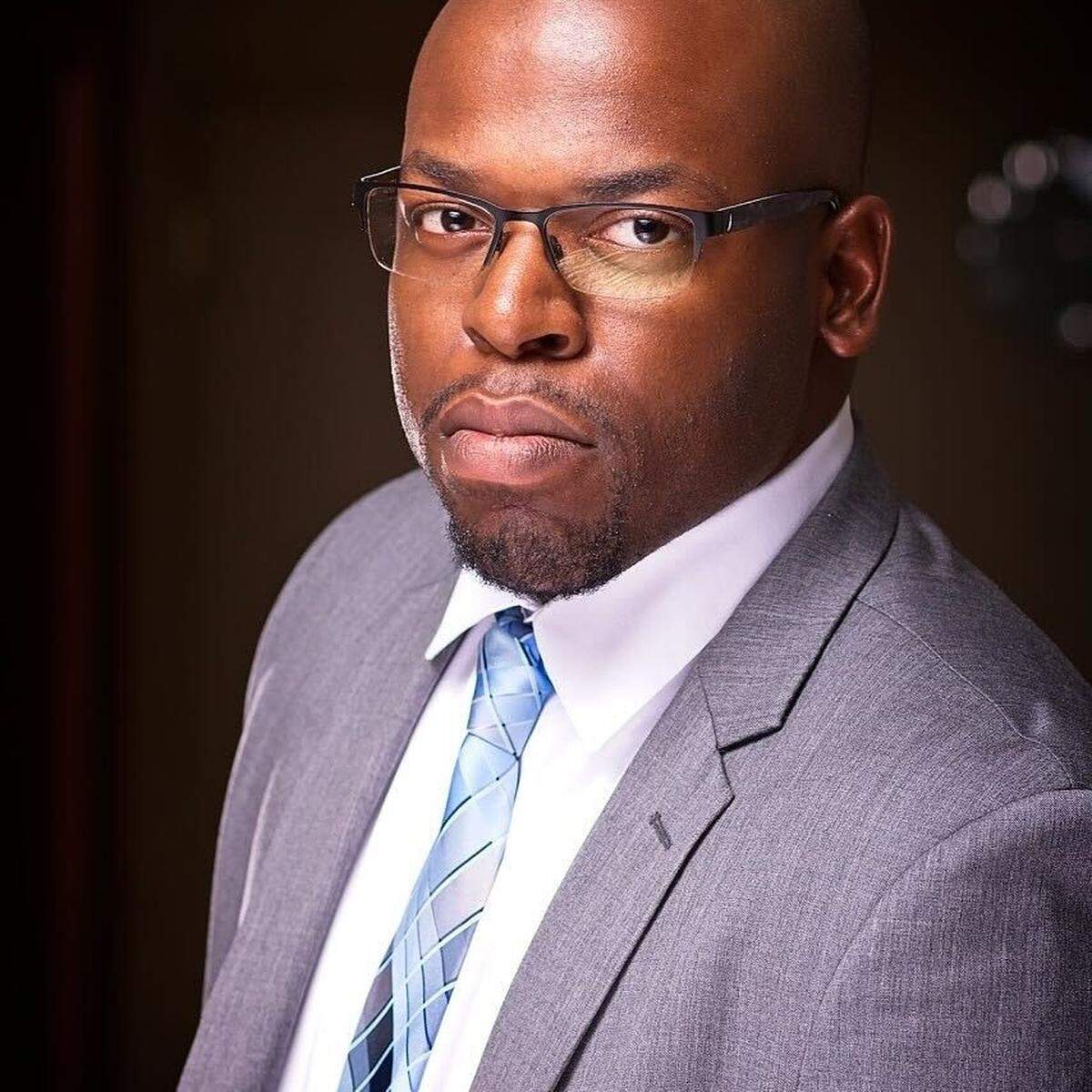
Antwain Nance
Age: 37
Campaign website or social media: nanceforsheriff.com and facebook.com/nanceforsheriff
Occupation: Material logistics specialist
Education: High school diploma
Have you run for elected office before?
No.
Please list highlights of your civic involvement.
I have been actively involved in public service and civic issues in Mecklenburg County. I previously worked as a Detention Officer at the Mecklenburg County Jail, where I saw firsthand the importance of accountability, safety, and proper leadership. I currently serve as a union shop steward, representing workers and helping ensure fair treatment and due process in the workplace. I am also a candidate for Mecklenburg County Sheriff and regularly engage with community members through public forums and media to discuss public safety, jail conditions, and restoring public trust.
What are the most important issues at the Mecklenburg County Sheriff’s Office today? How would you address them?
The most important issues at the Mecklenburg County Sheriff’s Office right now are jail safety, leadership accountability, and staff morale. The jail has experienced repeated incidents, staffing shortages, and a breakdown in trust between leadership and both employees and the public. When people die in custody or conditions fail inspections, that is a leadership issue, not a frontline issue. These problems are addressed by putting accountability back at the top. That means clear standards, transparent reporting, listening to detention staff, and fixing problems before they become crises. Leadership must be present, honest, and willing to take responsibility when things go wrong. A sheriff’s job is not excuses, it’s outcomes.
What would you do to recruit and retain staff at the sheriff’s office?
Recruitment and retention go hand in hand. People won’t apply to an agency if they see current staff burned out, understaffed, and unsupported. To recruit, I would focus on restoring the reputation of the Sheriff’s Office by fixing internal problems first especially inside the jail. When working conditions improve, recruitment improves naturally. I would also actively engage with the community, local colleges, and career pipelines to attract people who want to serve. To retain staff, leadership has to listen, be consistent, and show up. That means addressing staffing shortages, providing proper training, and backing employees when they follow policy. When people feel respected and protected, they stay.
Do you believe that Jail North should be reopened as a juvenile detention center? If so, please explain why. Also explain how you would reopen it.
Yes, I support reopening Jail North as a juvenile detention center. Bringing juveniles back into Mecklenburg County keeps young people closer to their families, support systems, and community resources, which matters for both accountability and rehabilitation. That said, Jail North should only be reopened the right way. You cannot reopen a facility without the staff to operate it safely. Right now, the Sheriff’s Office is approximately 96 officers short, and that shortage has to be addressed first. Staffing, training, and supervision are non-negotiable. Reopening Jail North would require hiring and retaining sufficient staff, providing juvenile-specific training, and ensuring proper safety protocols are in place for both youth and employees. If we commit to doing that work, reopening Jail North becomes a responsible decision that strengthens public safety while keeping families connected.
How can you best protect inmates and staff alike at Detention Center Central?
Protecting inmates and staff at Detention Center Central starts with staffing, supervision, and leadership. Chronic shortages force officers into unsafe conditions, increase fatigue, and lead to mistakes that put everyone at risk. Adequate staffing levels are the foundation of safety. From there, protection means consistent supervision, clear accountability, and officers being present where they are needed not pulled away to cover gaps elsewhere. Staff must be properly trained, supported, and heard when they raise safety concerns. For inmates, safety comes from proper classification, timely medical and mental health care, and preventing situations where tensions escalate due to overcrowding or lack of supervision. When staff feel supported and inmates are managed appropriately, the entire facility becomes safer. Safety is not achieved through slogans, it comes from leadership that prioritizes people, enforces standards, and addresses problems before they turn into crises.
Under your leadership, what kind of relationship will the sheriff’s office have with Immigration and Customs Enforcement?
Under my leadership, the Sheriff’s Office will have a professional, clearly defined, and lawful relationship with Immigration and Customs Enforcement. Our role will be to uphold the Constitution and follow the law, nothing more and nothing less. The Sheriff’s Office is not an immigration agency, and our primary responsibility is public safety, jail operations, and the fair treatment of everyone in our custody. Any interaction with ICE will be handled in accordance with federal and state law, court rulings, and due process protections. I believe in clear policies, transparency, and accountability so deputies and detention officers are not placed in legally risky or morally unclear situations. Officers deserve guidance they can trust, and the public deserves assurance that the law is being followed consistently and fairly. Public safety is best served when the Sheriff’s Office stays focused on its mission, respects constitutional rights, and operates with clarity rather than confusion or politics.
What separates you from the other candidates in this race?
What separates me from the other candidates is why I’m running and who I’m accountable to. I’m not retired, I don’t receive a pension, and I’m not seeking a title or a political landing spot. I’m running to serve and to fix problems that have been ignored for too long. I’ll be honest: if I trusted the reasons the other candidates were running, I would not be here. I stepped into this race because I don’t believe the current choices reflect the accountability and urgency this office needs. That belief didn’t come lightly, it came from watching silence, deflection, and inaction where leadership should have been. I’m not backed by big money, special interests, or endorsements from celebrities or athletes. My campaign is built on everyday people and independence, not political favors. I bring a younger perspective and a new vision for the Sheriff’s Office, one focused on accountability, transparency, and real leadership on the ground. I’m not afraid to speak up when something isn’t right, because silence is what allows problems to grow. I see this role as service, not status. My goal is to support staff, protect inmates, rebuild public trust, and lead with humility and responsibility, every day, not just during an election.
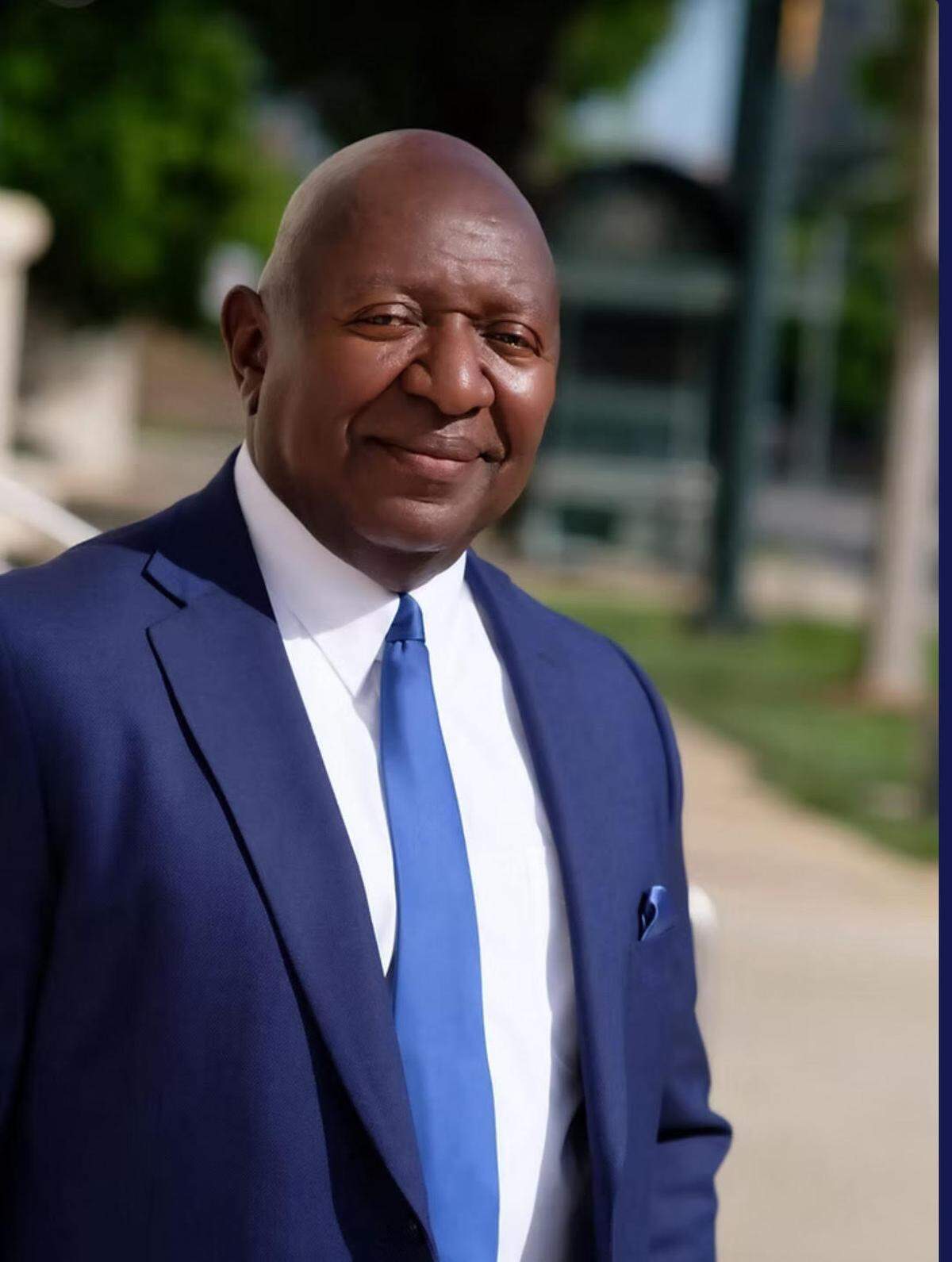
Ricky Ricardo Robbins
Age: 64
Campaign website or social media: www.rickyrobbinsforsheriff.com
Occupation: Police sergeant at Charlotte-Mecklenburg Police Department
Education: Myers Park High School, Central Piedmont Community College Associate of Arts in Police Science, UNCC Bachelor of Science in Criminal Justice.
Have you run for elected office before?
No.
Please list highlights of your civic involvement.
I have worked with Mothers of Murdered Offspring for over 20 years. SAMs-Shriners as mentor for youths. Knights of Pythagoras youth group. I have worked for over 20 years with my Masonic Lodge to work with the community, youth and provide college scholarships. I have been an Optimist member for over 20 years. I worked with Mothers Against Drunk Drivers for over 30 years. I’ve worked with the Charlotte-Mecklenburg Police Explorers for over 40 years. I’ve been involved with youth sports for over 30 years. I’ve worked with the Carolina Panthers community engagement for over 30 years.
What are the most important issues at the Mecklenburg County Sheriff’s Office today? How would you address them?
The most urgent issues facing the Mecklenburg County Sheriff’s Office today are the safety of people in custody, the safety of our staff, access to meaningful mental health care, and serious challenges with recruitment and retention. These issues are connected, and they require leadership that is willing to act—not deflect. First and foremost, between 2019-2026 there have been over 20 deaths in MCSO including suicides, wrong medication and other incidences. A jail sentence should never be a death sentence. As Sheriff, I will prioritize prevention by strengthening intake screening, expanding on-site mental health professionals, enforcing realistic safety checks, and ensuring staff receive consistent suicide-prevention and de-escalation training.
Staff safety must be treated as a top priority. At the start of my campaign, I received a significant number of emails and phone calls from former employees of the Sheriffs office, sharing their concerns, reasons for leaving and desire to want to return under brand new leadership. The stories shared were incredibly concerning but supported the reason for the high turn over. Chronic understaffing and mandatory overtime put detention officers and deputies at risk every day. I will fight for staffing levels that reflect the reality of the job, invest in training and wellness supports, and build a culture where staff know leadership has their backs. Mental health care must be integrated into daily operations, not treated as an afterthought. I will first assess the current program to ensure accuracy and up-to-date data. Additionally, Mecklenburg County is rich with top leaders within the healthcare industry so moving to strengthen partnerships with healthcare providers is critical in addition to petitioning the county to expand mental health services inside the jail. Third, I will engage directly with the General Assembly and state health officials. That means testifying before legislative committees, meeting with DHHS leadership, and advocating for sustained funding—not one-time fixes—for mental health beds, crisis stabilization units, and step-down facilities.
What would you do to recruit and retain staff at the sheriff’s office?
I have already spoken directly with current and former employees, including officers who chose to leave the agency. Their feedback has been clear and candid, and it has helped shape my approach. They talked about burnout, lack of support, lack of safety, unclear or unfair advancement paths, and feeling unheard. I take those experiences seriously, and their insight informs the solutions I am proposing. First, I would make compensation competitive and predictable. I will advocate for pay that reflects the difficulty and risk of this work, including step-based raises, specialty pay for high-stress assignments, and retention incentives tied to years of service. People should not have to leave to feel valued. I would establish transparent promotion tracks, paid training opportunities, and leadership development programs so detention officers and deputies can advance without uncertainty. Second, I would invest in training and professional development which will help develop and prepare employees for their next career goal. Ongoing training in de-escalation, crisis intervention, defensive tactics, and leadership improves safety and morale. It also sends a message that the agency is investing in its people. Thirdly, I would prioritize officer wellness and mental health. Based on what I’ve heard from staff, burnout is real. I would expand peer-support teams, confidential counseling, critical-incident support, and scheduling practices that reduce mandatory overtime whenever possible. Fourth, I would improve workplace culture through consistent leadership because people leave leaders, not jobs. Retention is built on trust, transparency and respect which has been the cornerstone of my leadership for my entire career. Finally, I would modernize recruitment. That includes partnerships with community colleges, veterans organizations, and universities; paid internships and cadet programs; and targeted outreach that reflects the diversity of Mecklenburg County.
Do you believe that Jail North should be reopened as a juvenile detention center? If so, please explain why. Also explain how you would reopen it.
Yes, I believe Jail North should be reopened as a juvenile detention center, and I have been consistent about that position since the very beginning of this journey. Youth should be kept close to their families, schools, and community resources, because proximity matters for rehabilitation, accountability, and successful reentry. Sending young people far from home weakens support systems and makes outcomes worse.
Reopening Jail North requires leadership and honesty about staffing. Operating the facility safely will require close to 100 staff members, which directly ties to the broader recruitment and retention challenges at the Sheriff’s Office. We cannot keep saying this is someone else’s problem—staffing is a leadership responsibility, and it must be addressed with competitive pay, clear career paths, training, and a supportive culture.
I have also had conversations with state leaders, who have confirmed they would be supportive of reopening Jail North as a juvenile detention center if the County and Sheriff’s Office move forward with a clear, responsible plan. In addition to improving outcomes for youth, reopening the facility would bring jobs to the area, strengthening the local economy while restoring an essential public safety resource. This is about consistency, accountability, and doing what works for youth and families—keeping young people connected to the people and resources that give them the best chance to succeed.
How can you best protect inmates and staff alike at Detention Center Central?
Protecting inmates and staff at Detention Center Central begins with one guiding principle: everyone deserves to stay alive and make it home at night. Safety starts with adequate staffing and continuous, practical training in de-escalation, suicide prevention, crisis intervention, and coordinated response, because preparation saves lives. It also requires integrating mental health care into daily operations through strong intake screening, ongoing assessments, and on-site professionals working alongside custody staff to prevent crises before they escalate. Clear procedures, realistic safety checks, and accountability—supported by technology—reduce risk for everyone inside the facility. Just as important is a professional, respectful culture that lowers tension and violence, paired with officer wellness supports that address fatigue and burnout. My experience has taught me that when people are trained, supported, and led with purpose, lives are protected—and that is how we make Detention Center Central safer for all.
Under your leadership, what kind of relationship will the sheriff’s office have with Immigration and Customs Enforcement?
Under my leadership, the Mecklenburg County Sheriff’s Office will maintain a professional, lawful, and transparent relationship with Immigration and Customs Enforcement, grounded first and foremost in protecting the safety and rights of Mecklenburg County residents. We will comply with North Carolina House Bill 318 and all applicable state and federal laws, working strictly within those legal guidelines while upholding constitutional protections for everyone in our custody. I believe transparency is essential, which is why my administration will prioritize open dialogue with community leaders and stakeholders so there is clear understanding of our policies before an incident occurs, not after. Cooperation with ICE will be handled responsibly, documented clearly, and focused on serious offenses as required by law, not fear or profiling. My commitment is to ensure that our deputies act with integrity, that our community remains informed, and that the citizens of Mecklenburg County are protected at all times while trust between law enforcement and the community is preserved.
What separates you from the other candidates in this race?
As a Charlotte native and leader within law enforcement for more than 40 years, there are several aspects of my professional career that separates me from the other candidates. First serving as direct assistant to the last three chiefs of police, I have been responsible for Charlotte and all six towns in Mecklenburg County, which allowed my experience to move beyond the walls of only working inside of a building. Additionally, within my experience with CMPD I developed and led the Dignitary Protection Division, which was responsible for presidential and high dignitary support. This is critical to the role of sheriff which holds responsibility for protecting our local, state and federal officials. Also, commanded and developed policies for SWAT and riot control. Lastly, I served for more than 31 years with the Carolina Panthers which included unique skills in mass crowd management and de-escalation for over 70,000 attendees, coordinating with multiple law enforcement agencies to include local, state and federal.
This story was originally published February 19, 2026 at 5:00 AM.