Mecklenburg District Court candidates discuss partisan elections, role of judges
To help inform voters in the March 3, 2026, election, this candidate questionnaire is available to be republished by local publications in North Carolina without any cost. Please consider subscribing to The Charlotte Observer to help make this coverage possible.
This story focuses on the election for Mecklenburg District Court Judge Seat 18, which features Judge Cecilia Oseguera and her challenger, attorney Habekah Cannon.
Oseguera was appointed to a vacant seat in District 26, which covers all of Mecklenburg County, in 2022 and later won the election to keep it by 0.04 percent. She previously worked as an assistant federal public defender. At a fundraiser event in late January, Chief District Judge Roy Wiggins, other current and former judges and attorneys said she was an efficient judge.
Cannon is a Charlotte attorney who previously worked for the ACLU and Mecklenburg Public Defender’s Office. She now owns a law firm, and its website reads: “Abolitionist oriented and community minded. We’ll get you out of that cage.” She’s been endorsed by several current public defenders.
She told Queen City Nerve in 2020 that she was asked to resign from the defender’s office for “not drawing wide enough margins between my work as an Assistant Public Defender and my activism.” The Nerve reported that she was arrested three times while offering legal services to people arrested during the 2020 protests of George Floyd’s murder. The District Attorney’s office dismissed all charges related to those arrests, court records show.
The Charlotte Observer asked both candidates in this race to complete a questionnaire to inform voters about their opinions on big issues facing voters.
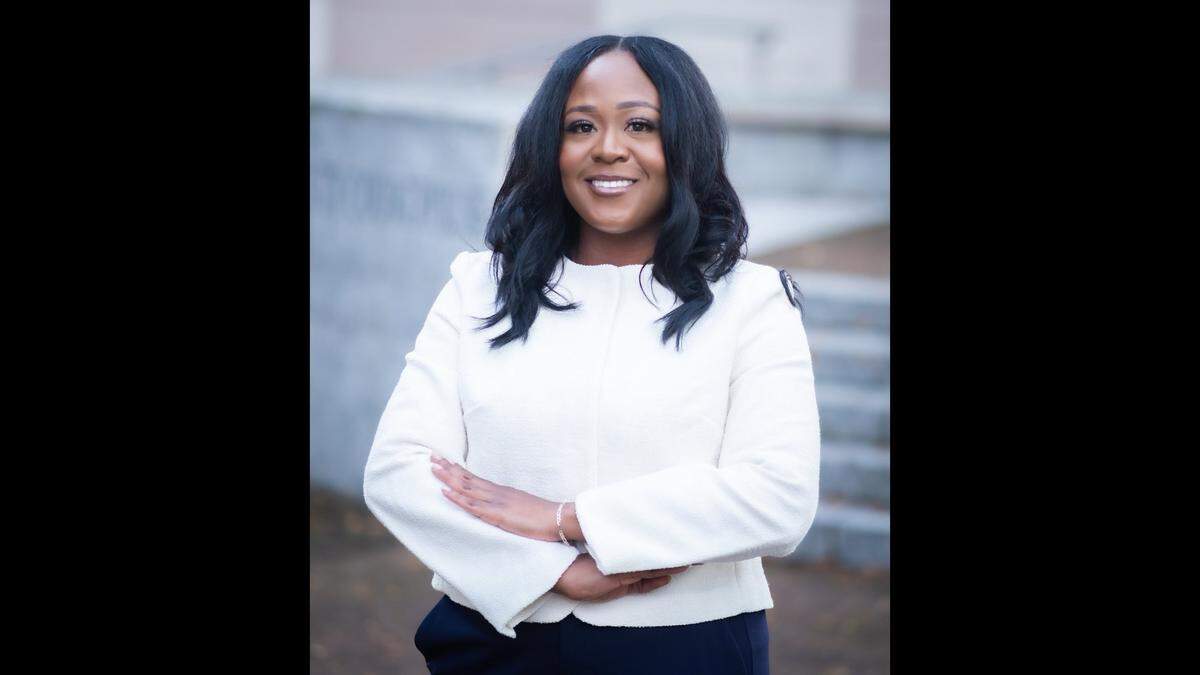
Habekah Cannon
Name: Habekah Cannon
Political Party: Democrat
Age as of 2/6/2026: 33
Campaign website: habekahforjudge.com
Occupation: Criminal Defense-Managing Attorney at The Law Office of Habekah B. Cannon, PLLC
Education: Hampton University and North Carolina Central University School of Law
Have you run for elected office before? No
Please list highlights in your legal career.
I represented more than 800 clients in District Court as an Assistant Public Defender, taking over 20 cases to trial with successful outcomes. I have also tried cases in both District and Superior Courts throughout North Carolina.
Please list highlights of your civic involvement.
I have provided pro bono services through Know Your Rights trainings and expunction clinics, which deepened my understanding of how court decisions impact families and children. I also serve as a leader in the National Conference of Black Lawyers-NC Chapter
What’s an example of a case you handled or observed that shaped you?
One of the most formative experiences of my career was early on representing a young, first-time offender in District Court who was facing jail time for a low-level offense tied to poverty and lack of access to resources. While the charge itself was minor, the consequences were not. Incarceration would have cost him his job, housing and stability. Through careful advocacy and a clear presentation of mitigating factors, the case was resolved in a way that held him accountable without derailing his future.
That experience reinforced for me how profoundly judicial decisions, especially in District Court, can impact individuals, families, and communities. It shaped my belief that justice must be grounded not only in the law, but in fairness, proportionality, and respect for human dignity.
Judges here run in partisan elections but are expected to be neutral arbiters on the bench. Why are you running with your chosen political party, and how would your political ideologies inform your leadership as a judge?
Although I am running in a partisan judicial election, the platform of any political party will play no role in my work as a judge. My duty on the bench will be to uphold the Constitution and laws of North Carolina and the United States, as well as follow binding precedent, and to decide each case based solely on the facts and the law. Judicial independence and impartiality are essential to public trust in the courts.
What made you want to run? Current events in Charlotte (light rail stabbings, Border Patrol) fixed a national spotlight on the city, and its judges became a pillar talking-point for the Trump administration and state officials. Did that contribute to your decision to run or cause any hesitation?
I believe that everyone who comes before the court deserves to be treated with respect. Recent events did not cause any hesitation in my decision to run for this position. I am firmly committed to upholding the law, listening carefully to all parties, and deciding each case fairly on its own merits.
The White House called Ukrainian refugee Iryna Zarutska’s death “the culmination of North Carolina’s Democrat politicians, prosecutors and judges prioritizing woke agendas that fail to protect their citizens when they need them the most.” Trump said “her blood is on the hands of the Democrats who refuse to put bad people in jail.” Mayor Vi Lyles called the death “a tragic failure by the courts and magistrates.”
Ms. Zarutska’s death is a tragic loss, and my thoughts are with her family. When tragedies occur, they deserve careful review and accountability based on facts — not political rhetoric. Judges and magistrates are required to follow the law and constitutional standards in every case and cannot make decisions based on ideology or public pressure.
The appropriate response is to examine whether procedures were followed, whether laws and resources are adequate, and whether improvements are needed to better protect public safety. As a judge, my duty would be to apply the law fairly and independently, while taking public safety seriously in every decision.
What parts of House Bill 307, “Iryna’s Law,” will most directly affect how you do your job, and do you support those changes?
Prolonged detention is a direct impact of House Bill 307. As a judge, I will follow the law as it applies to every person who comes before the court, while ensuring that each case is evaluated individually and in accordance with constitutional requirements.
eCourts has many issues. It has reportedly caused people to be wrongfully arrested or held in jail longer than they should have been. It has also exposed sensitive information. What responsibilities do judges have when tech system failures affect victims or defendants?
Technology should support justice, not obstruct it. When technology systems fail, the responsibility of the court does not disappear. Judges have a duty to ensure that a person’s liberty, due process rights, and privacy are not compromised by administrative or technical errors. If credible information is brought to the court showing a system failure, such as an incorrect warrant, missed release, or delayed processing the judge must act promptly to investigate, correct the record, and take appropriate remedial action within the authority of the court.
What are the most important issues in District 26 courts today, and how would you address them?
Courtroom efficiency is one of the most important issues facing District 26 courts today. I would address it by prioritizing preparedness and clear case management, holding parties accountable for readiness, using scheduling practices that reduce unnecessary delays, and ensuring matters are handled promptly without sacrificing fairness or due process. Efficient courts serve everyone; victims, defendants, attorneys, and court staff by promoting timely, respectful, and just outcomes.
What would you want your reputation as a judge to be?
I want my reputation as a judge to be one of someone who listens carefully, is thoughtful in decision-making, and applies the law fairly and consistently to the facts of each case.
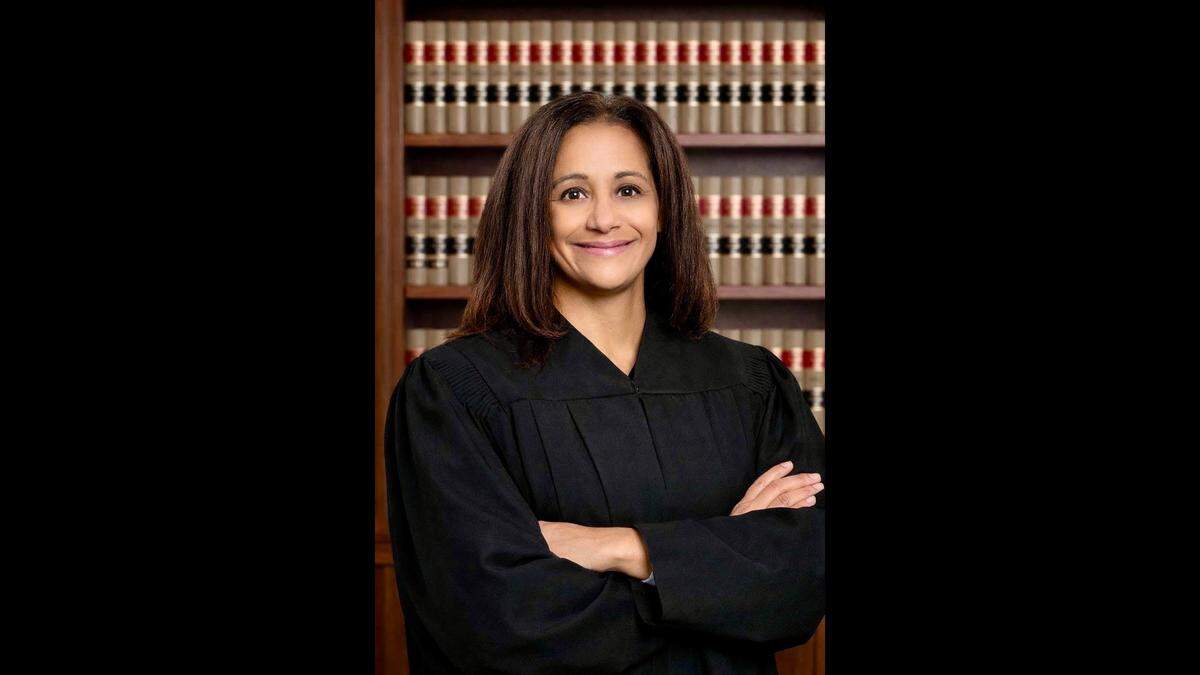
Incumbent District Court Judge Cecilia Oseguera
Name: Cecilia Oseguera
Political Party: Democrat
Age as of 2/6/2026: 50
Campaign website: https://judgececiliaoseguera.com/ Occupation: Mecklenburg County District Court Judge
Education: Seton Hall University School of Law, LL.M. in Corporate Compliance; Whittier College School of Law, J.D.; University of California, Los Angeles (UCLA), B.A.
Have you run for elected office before?
Yes. I am an incumbent Mecklenburg County District Court Judge. I was appointed to the bench in 2022, and later that year, elected by Mecklenburg County voters to serve in that position.
Please list highlights in your legal career.
My legal career has been defined by public service, courtroom experience and professional trust. I was appointed to the bench by Governor Roy Cooper in 2022, later earning the support of voters in a primary and general election. I preside over criminal, civil, family, juvenile, and domestic violence matters.
I am a permanent member of the Fourth Circuit Judicial Conference, an honor extended by invitation and reflective of professional recognition within the federal judiciary. I have also been selected to serve as a substitute Federal Magistrate Judge in the Western District of North Carolina. Prior to joining the bench, I spent many years practicing in state and federal court, gaining extensive trial experience and representing clients in complex criminal matters. In 2025, I was elected by Mecklenburg County attorneys to serve on the Mecklenburg County Bar’s board of directors, reflecting the confidence of my peers in my leadership and judgment.
Please list highlights of your civic involvement.
I have been fortunate to remain actively engaged in civic and educational service throughout my legal career. I regularly speak with law students — particularly women and first-generation students — at institutions including Duke University, UNC–Chapel Hill, North Carolina Central University, Elon University and Campbell about careers in public service and the judiciary.
I also volunteer as a mentor through programs such as Lunch with a Lawyer and participate in outreach efforts through the Mecklenburg County Courthouse, including Court Camp, where I speak with high school and undergraduate students about the justice system and civic responsibility.
Earlier in my career, I served as President and later Treasurer of the Hispanic Latino Lawyers Bar of Charlotte, working to support mentorship, professional development, and access to the legal profession. As an attorney, I supervised and mentored law student interns and participated in Career Day programs within Charlotte-Mecklenburg Schools, particularly in underserved communities.
I have also mentored youthful offenders through educational programming in juvenile detention settings and remain actively involved in the Mecklenburg County Bar through service and outreach.
What’s an example of a case you handled or observed that shaped you?
One of the most formative experiences in my career has been handling family and domestic violence matters, where the legal issues are complex and the human stakes are very real. These cases often involve victims seeking protection, families in crisis, and decisions that must be made promptly and carefully, based on the law and the evidence presented.
Presiding over these matters reinforced for me the importance of judicial temperament — listening attentively, maintaining neutrality, and ensuring that every party feels heard while applying the law consistently. Those experiences continue to shape how I manage my courtroom and approach every case with care, fairness, and respect for the serious consequences judicial decisions carry.
Judges here run in partisan elections but are expected to be neutral arbiters on the bench. Why are you running with your chosen political party, and how would your political ideologies inform your leadership as a judge?
North Carolina law requires judicial candidates to run in partisan elections, which means selecting a party affiliation in order to appear on the ballot. That affiliation reflects the electoral system, not how a judge governs on the bench.
Once elected, a judge’s role is fundamentally different from that of a legislator or advocate. My responsibility is to apply the law as written, follow binding precedent, and ensure that every person who appears in court is treated fairly and with respect. Political ideology does not inform my rulings, my courtroom management, or my leadership as a judge.
My leadership on the bench is guided by judicial ethics, the Constitution, and a commitment to impartiality, independence, and due process — principles that serve all litigants, regardless of political belief. I respect the voters who support me across the political spectrum, and I take seriously the obligation to serve impartially and independently, as the role of a judge requires.
What made you want to run? Current events in Charlotte (light rail stabbings, Border Patrol) fixed a national spotlight on the city, and its judges became a pillar talking-point for the Trump administration and state officials. Did that contribute to your decision to run or cause any hesitation?
I decided to run again, to continue the work I am already doing — serving the people of Mecklenburg County as a fair, experienced, and impartial District Court judge. When our community experiences acts of violence or disruption that threaten public safety, the need for stability, experience, and public trust in the courts becomes even more critical, particularly in a large, high-volume jurisdiction like Mecklenburg County.
Recent events and the national attention focused on Charlotte did not cause hesitation, nor did they influence my decision to seek office. For victims and their families, the justice system represents accountability, safety, and reassurance that the law will be enforced consistently and fairly. Judges have a duty to uphold statutes designed to protect victims, to respect the lawful role of law enforcement, and to ensure that criminal conduct is addressed through the rule of law — not excused, minimized, or politicized.
Judges do not make public policy or respond to political rhetoric. My role is to apply the law as written, protect constitutional rights, and make decisions grounded in facts, evidence, and established legal standards. Especially during periods of heightened attention or public tension, courts must remain firm, independent, and focused on maintaining public safety while safeguarding due process.
My commitment has always been to administering justice in a manner that promotes accountability, respects victims, supports the integrity of our legal institutions, and reinforces public confidence that the courts are a stabilizing force — regardless of political climate or external pressure.
The White House called Ukrainian refugee Iryna Zarutska’s death “the culmination of North Carolina’s Democrat politicians, prosecutors and judges prioritizing woke agendas that fail to protect their citizens when they need them the most.” Trump said “her blood is on the hands of the Democrats who refuse to put bad people in jail.” Mayor Vi Lyles called the death “a tragic failure by the courts and magistrates.”
Any loss of life is tragic, and my condolences are with the victim’s family. Judicial decisions are made based on the law and the information presented at the time, not political ideology. Broad political characterizations oversimplify complex legal processes and risk undermining confidence in an independent judiciary. My responsibility is to apply the law fairly and consistently, regardless of public or political pressure.
What parts of House Bill 307, “Iryna’s Law,” will most directly affect how you do your job, and do you support those changes?
House Bill 307 primarily affects first appearance and pretrial decision-making by expanding the factors courts must consider and, in certain circumstances, requiring additional findings or procedures when determining conditions of release. Those decisions remain governed by statute and must be based on individualized assessments, not generalizations.
As a judge, my responsibility is not to evaluate whether legislation is good or bad policy, but to apply the law as enacted by the General Assembly and interpreted by appellate courts. In bond determinations, judges are required to consider factors such as the nature and circumstances of the offense, a defendant’s criminal history, ties to the community, and risk of flight or danger to others. That framework has long existed in North Carolina law and continues to guide my judicial decision-making.
If House Bill 307 applies to a case before me, I will follow it as written, ensure due process, and make case-specific determinations based on the evidence presented and the requirements of the law.
eCourts has many issues. It has reportedly caused people to be wrongfully arrested or held in jail longer than they should have been. It has also exposed sensitive information. What responsibilities do judges have when tech system failures affect victims or defendants?
Technology systems play an important role in modern courts, but they do not replace judicial judgment or legal process. When issues arise with court technology, judges have a responsibility to remain attentive to due process, ensure that parties are not prejudiced by system errors, and address concerns promptly when they are brought to the court’s attention.
Judges do not design, maintain, or control statewide technology systems, but we do have an obligation to verify information presented in court, ask questions when something appears inconsistent, and take corrective action within our authority if a potential error affects a defendant’s liberty or a victim’s rights. That responsibility does not end when the courtroom session concludes. Ultimately, safeguarding fairness requires vigilance, transparency in the courtroom, and collaboration with court staff and administrators to ensure that legal decisions are based on accurate information, not solely on automated systems.
What are the most important issues in District 26 courts today, and how would you address them?
The most important issues facing District 26 courts today relate to ensuring that justice is administered fairly, efficiently, and consistently for everyone who comes before the system.
First, timely case resolution continues to be a priority. High-volume dockets in criminal, civil, family, and juvenile matters can contribute to delays that strain litigants, attorneys, and victims. Judges can address this by actively managing calendars, using differentiated case management tools, and prioritizing hearings to move cases forward while ensuring due process.
Second, access to justice remains essential. An increasing number of self-represented litigants require clear procedures, understandable forms, and supportive court resources. Courts work collaboratively with clerks, legal aid organizations, and bar associations to expand educational materials, improve accessibility, and help people navigate the system effectively.
Third, maintaining public confidence in the judiciary depends on transparency, consistency, and respectful courtroom conduct. That includes explaining decisions clearly in open court, applying the law impartially, and upholding the highest standards of judicial ethics.
In my courtroom, I address these issues by managing dockets efficiently, ensuring that every participant is treated with dignity and respect, and working with court administrators and community partners to improve processes that benefit all users of the justice system.
What would you want your reputation as a judge to be?
I am proud that my reputation over the past several years has been that of a fair, prepared, and steady judge who is guided by the law. I work to ensure that every person who appears in my courtroom is treated with dignity and respect, that cases are handled thoughtfully and efficiently, and that decisions are based on the facts and applicable law — not personal views or external pressures.
I am supported by a broad range of courtroom stakeholders who have observed my work firsthand, and I take that trust seriously. As a judge, I do not advocate for causes or constituencies. Public safety and equal justice are not competing values. My record reflects that balance, which is why I have been endorsed by the Fraternal Order of the Police and rated excellent by the LGBTQ+ Democrats of Mecklenburg County — independent organizations that evaluate judges based on fairness, professionalism, and adherence to the law. Litigants, attorneys, victims, and members of the public leave my courtroom knowing they were heard and treated fairly, even when outcomes are difficult, that reflects the standard I meet every day.
This story was originally published February 13, 2026 at 5:45 AM.