
North Carolina Influencers on jobs, the economy

Using an online tool called Your Voice, we asked readers across North Carolina what issues related to jobs and the economy mattered most to them this election year. We looked for a common theme in their responses, and one question stood out.
Readers wanted to know what policy makers will do to attract well-paying, sustainable jobs for all NC residents. So we asked the 60 N.C. Influencers what policy makers should do. Here are a few of their responses.
Mark Vitner, Senior Economist Wells Fargo
“Policy makers should reduce burdensome regulations, keep taxes low relative to competing areas, and improve the state’s transportation infrastructure and education system. Something also has to be done to halt and reverse the opioid epidemic, particularly in the state’s rural areas.”
Doug Lebda, CEO Lending Tree

“In order to attract jobs, we need to attract companies first and foremost. Our policies should support companies that offer well-paying jobs, regardless of whether we incubate from within or attract out of state companies. But it’s more than just policy, it’s about quality of life. Companies follow talent, and talented workers value the quality of life in their communities.”
Ashley Christensen, restauranteur, food activist, philanthropist
“Policy makers should make policy that cultivates working and living environments in North Carolina that are based on equality and quality of life. HB2 was abhorrent for so many reasons, but the economic fallout was a lesson that I hope policy makers really took to heart.”
Mike Easley, former governor
“Providing an educated and skilled workforce is key. Capital investment finds the labor force it needs and locates there. NC must ensure lifelong learning for everyone, especially access to early college and community college training as well as affordable university tuition. Simply put; if we provide the best workforce we will get the best jobs.”
James Coleman, Duke University law professor

“This requires a strategy. I would appoint a task force that includes large employers, companies in emerging industries, academics who have thought about this issue, and educators to develop a short-term, mid-term, and long-term strategy for economic development in both urban and rural areas. I think the loss of confidence in the ability of our economy to produce good jobs is a big factor in the current political dysfunction. We need to put our best minds to work on this problem; I would call it an economic Moon Shot. This is not going to happen unless we make it a goal in the way that JFK made putting a man on the moon a national goal.”
Art Pope, CEO Variety Wholesalers, chairman John William Pope Foundation
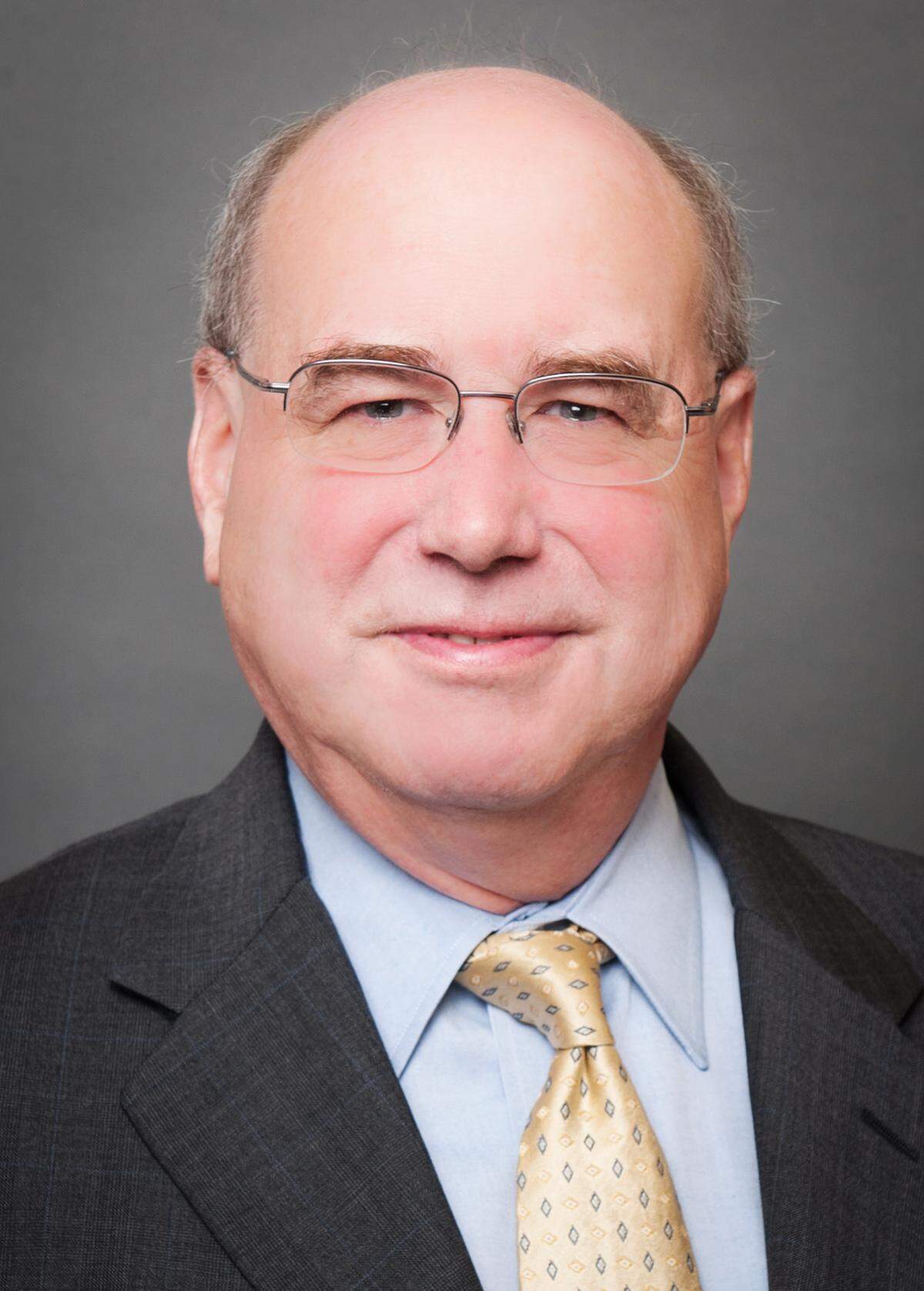
“Government does not create jobs. The American people, through their hard work and investments, create jobs. Government intervention in the economy (picking winners and losers) can shift and redistribute money, usually to enrich the few, starting with the lobbyists and lawyers, to the detriment of many. North Carolina can attract jobs by providing the core and necessary government functions, including justice, public safety, education and transportation infrastructure, at the lowest cost practical. This will make North Carolina the most attractive place to live, work, invest and grow, for the everyone from the individual worker to entrepreneurs who add value to our lives while creating jobs for others.”
Hugh McColl, retired Bank of America CEO
“Avoid reactionary policies.”
Bob Page, CEO Replacements, Ltd.
“Technology is going to be extremely important for growth these next few years. I think we need to invest in increasing broadband infrastructure in both urban and rural areas. Policy makers need to step up our commitment to renewable energy through public education and training, public policy development, research and technical assistance, along with workforce and economic development.”
Vivian Howard, chef, author, TV host, advocate for rural NC
“Offer tax-incentives to small business owners in small towns and rural areas to encourage community strength and growth.”

Michael Marsicano, CEO Foundation For The Carolinas
“Policy makers need to invest in educational programs that prepare our workforce for future jobs. The competition for talent at all levels will only increase. We have not been quick enough to retool our educational systems to meet the need, nor have we invested enough public funds in education to achieve excellence in training for workforce development.”
Brooks Bell, CEO and tech entrepreneur
“Our policy makers should avoid extreme legislature that make our state look backward and out of touch.”
Larry Wooten, NC Farm Bureau president
“We need to create a balanced business environment that includes fair tax laws, a fair regulatory environment, and that provides the modern infrastructure needed to attract and sustain businesses to North Carolina. We need to emphasize that we have a highly skilled workforce in this state that is trained through our world-class university and community college institutions that can meet the needs of cutting-edge businesses and industries. A balanced business environment coupled with a highly skilled workforce creates an ideal situation for businesses with well-paying jobs to want to come to North Carolina and stay.”
Jim Martin, former governor
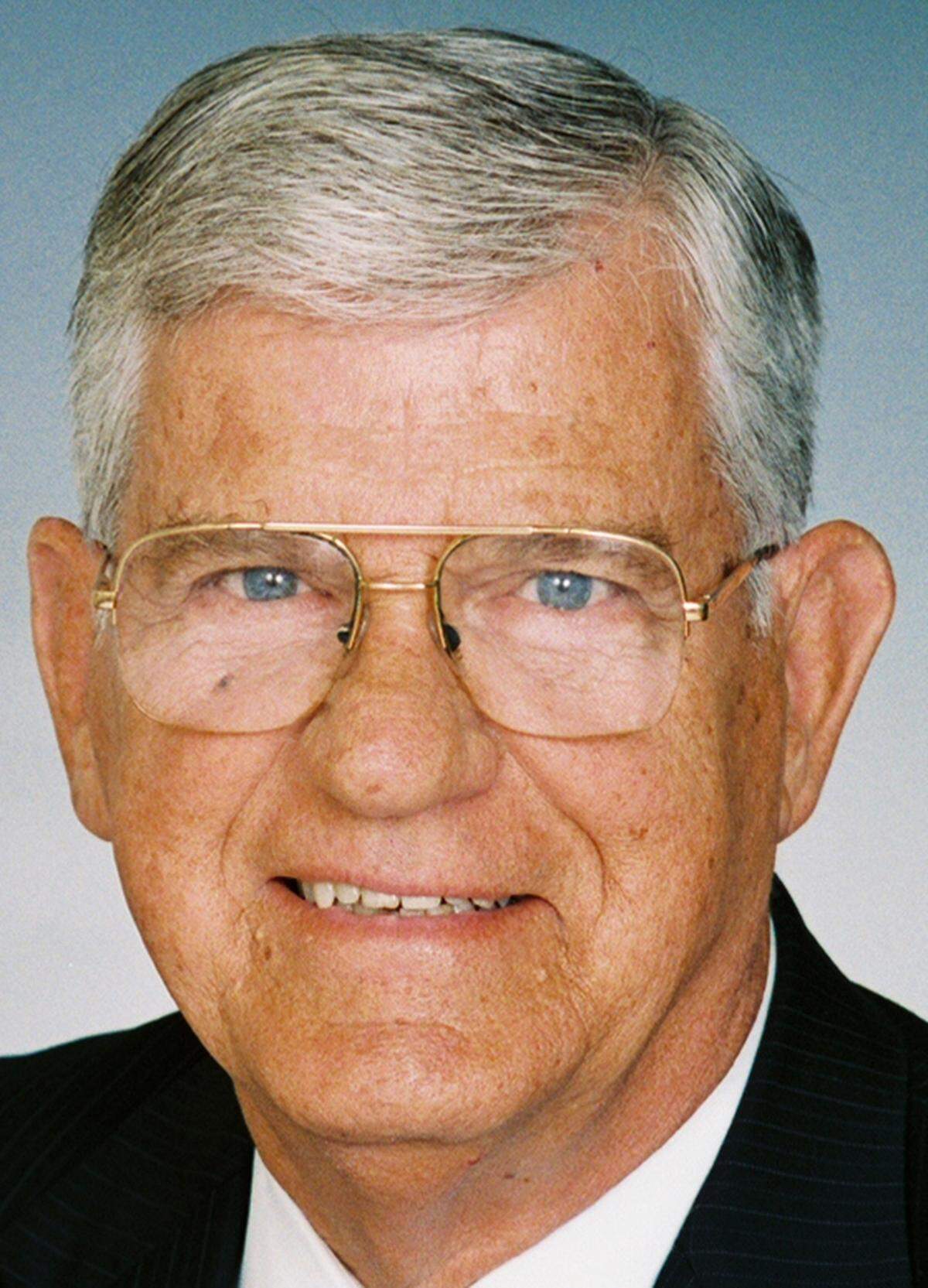
“If we hold business taxes low and avoid a return to past regulatory excesses, NC should do just fine. If our populist urge leads us to restore high taxes and repressive regulatory burdens, we will injure our existing employers and discourage new investors. Here’s a problem that has escaped attention: the proliferation of independent local economic development agencies. In the 1980s and early 1990s, North Carolina’s economic development was led by a strong State Department of Commerce. We led the nation in new manufacturing and directed new investment to rural as well as urban areas. Then our General Assembly decided to authorize local agencies to compete against each other. One result was that the Department of Commerce lost control and could not offer our best deal for the location that would build a balanced distribution. As long as we choose to enjoy competition between NC counties for every prize, we suffer from lack of focus – and low taxes are required to offset the self-inflicted handicap.”
Richard Sneed, Principal Chief Eastern Band of the Cherokee
“Incentivize new business development and recruitment through tax cuts and tax credits.
Lynn Good, CEO Duke Energy
“Policy makers have created a favorable business climate in North Carolina and we are getting the right attention from businesses and industry looking to locate or expand here. If we miss out on landing a large industrial or manufacturing operation, we need to learn from the missed opportunity and identify what could be done better in the future. Policy makers should continue making North Carolina even more attractive to businesses with sensible tax policy and regulations, and increase investments in education from pre-K to colleges and universities. I believe North Carolina is on the right path and poised for remarkable business growth.”
Lew Ebert, CEO North Carolina Chamber
“North Carolina could solve every other economic issue facing the state but if we fail to fill our state’s talent pipeline, none of it will matter. As I stated in my earlier response, in order to better prepare tomorrow’s workforce, North Carolina must boost career and technical education opportunities, increase access to early childhood education, improve early literacy proficiencies, and maintain high academic standards – just to name a few. North Carolina’s lawmakers should take a comprehensive approach to addressing education policy, working closely with stakeholders from the business community, community colleges, K-12 schools and higher education to ensure we’re appropriately aligning our state’s education systems with the jobs available.”
Bishop Claude Alexander, Senior Pastor The Park Church
“Invest in our public schools, community colleges, and universities in the production of a workforce that is competitive, produce a corporate tax rate that is attractive to businesses looking to relocate, invest in infrastructure improvements that support current and expected growth, and expand high speed internet access in rural areas.”
Pamela Davies, President of Queens University of Charlotte
“Policy makers should keep the tax environment attractive.”
Carol Folt, Chancellor UNC Chapel Hill
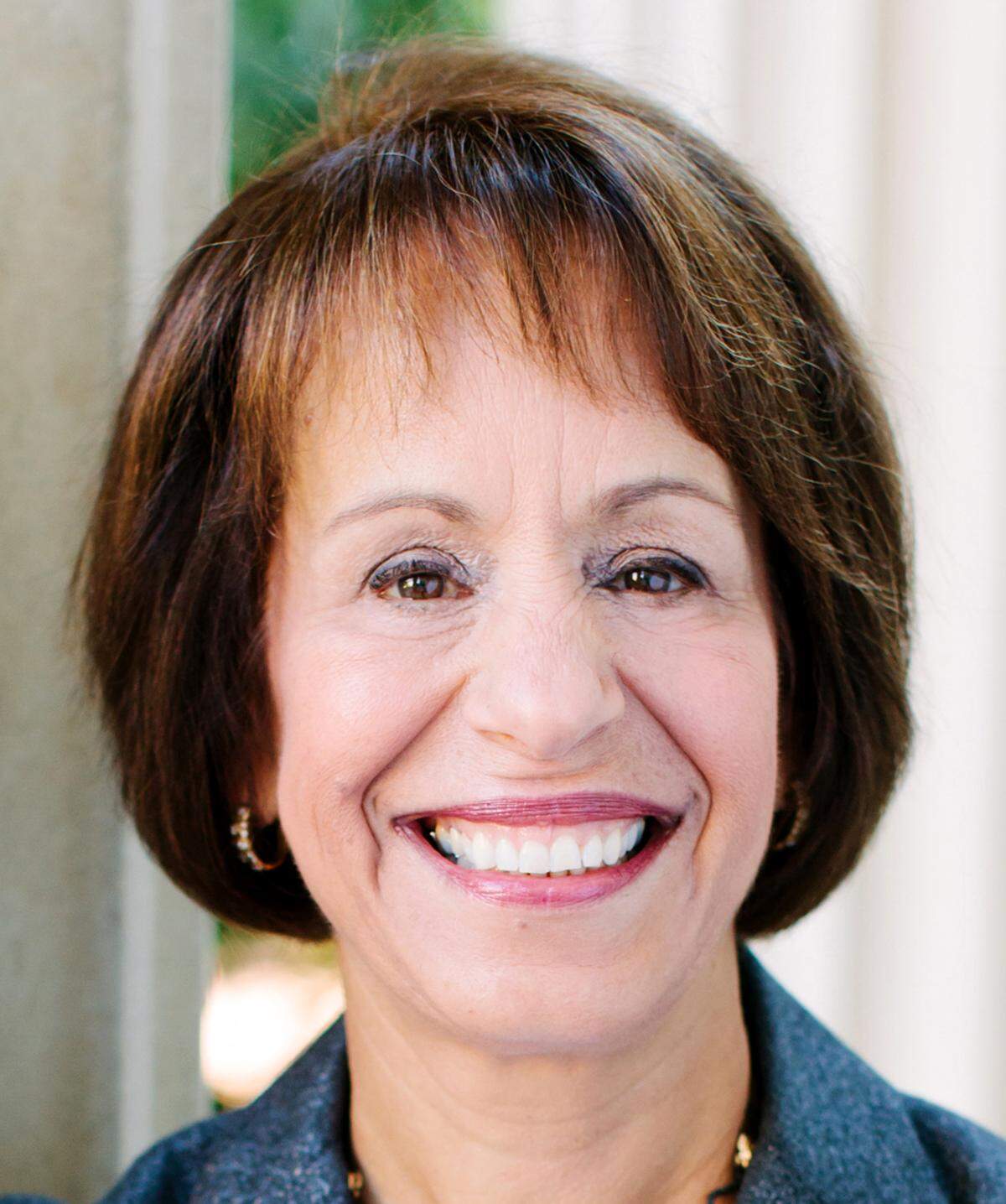
“Following World War II, the government doubled down on its investments in our nation’s colleges and universities that helped drive corporate growth, intellectual property development and technological innovations. Policy makers should consider the payoff from these past investments in higher education when making future budget decisions. Our entire higher educational system is a powerful resource that policy makers can promote and support as the backbone of our state’s economic growth. In addition, we welcome the opportunity to collaborate with businesses and political leaders to identify, educate and train the diverse talent we need today and will continue to need in the future. Making the future bright for all citizens is our priority and it is a critical way the state must invest for the future.”
How to participate
Your Voice is an ongoing conversation between you and the NC Influencers and policy makers in our state. Over the next six months we’ll ask you what matters most to you about a particular issue. After you’ve weighed in online, we’ll hold a Your Voice vote to see which reader’s response resonates most. Then, we’ll put that question to the NC Influencers. To participate just click on the Your Voice link embedded in every Influencer series story.
<script async src="https://modules.wearehearken.com/mcclatchy-north-carolina/embed/1530.js"></script>
This story was originally published July 16, 2018 at 6:00 AM.