
Carolinas experts: How mosquitoes can be controlled
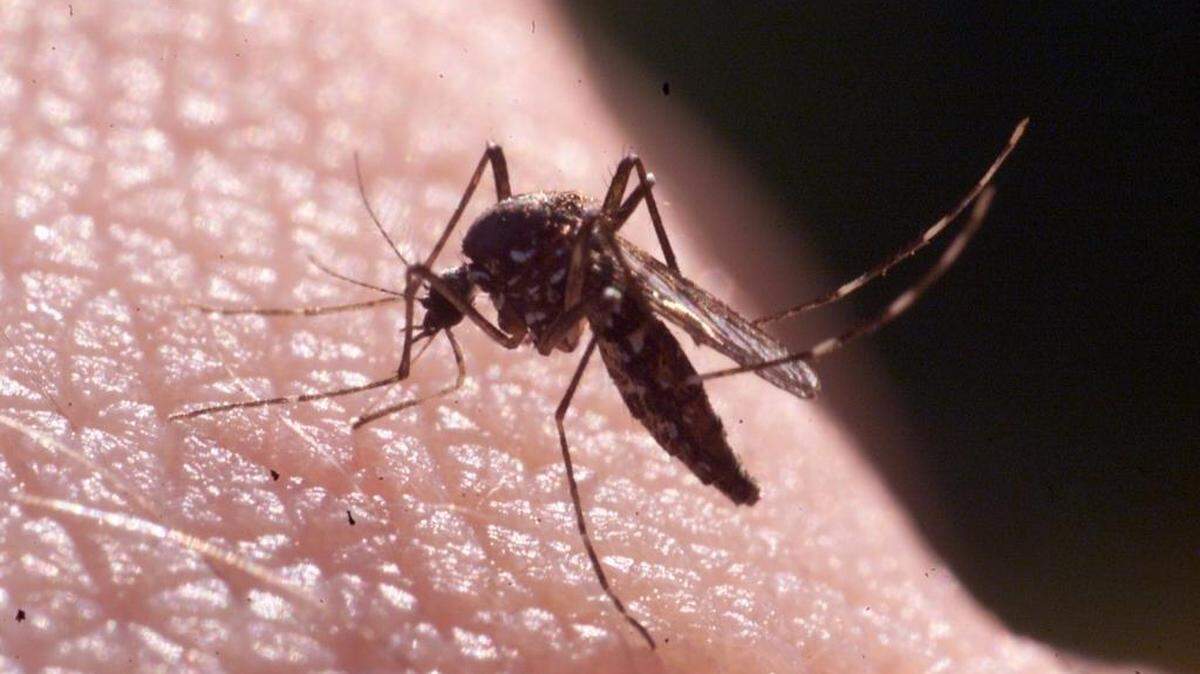
Let’s say something positive about mosquitoes, even as they come back to bite us: Their larvae are vital to the aquatic food chain, and mosquitoes are a diet staple for birds, bats and spiders.
But these little suckers are an annoyance to humans, and can sometimes be killers. Mosquitoes are carriers for blood-borne diseases that include malaria – with hundreds of millions of cases annually and responsible for more deaths than all other insects combined – making them the world’s deadliest insect. They also transmit about a dozen other diseases, including West Nile virus.
We asked some Carolinas experts about mosquitoes during the height of the season.
How bad are mosquitoes in the Carolinas compared to other regions?
Michael Reiskind, assistant professor of entomology at N.C. State, says he doesn’t think the Carolinas are worse than other states. “But as you note, the area you live in is most important. Along the coast, there are salt-marsh mosquitoes that are vicious biters and emerge in large numbers. They can be quite a nuisance.”
Among the 61 species of mosquitoes in North Carolina, which is most prevalent? Most dangerous?
The Asian tiger mosquito (Aedes albopictus) gets our experts’ vote as Most Likely to Ruin a Barbecue – and worse. That’s “the most prevalent species across the state, particularly in large urban areas,” says Michael Waldvogel, N.C. State associate professor and a specialist in structural and industrial pests.
Although he says “most dangerous” is hard to define, “in North Carolina, the Asian tiger mosquito can transmit several important diseases, including Eastern equine encephalitis and West Nile virus. A close relative – the Eastern tree hole mosquito (Aedes triseriatus) – may transmit La Crosse encephalitis.”
Last year, North Carolina had about 50 cases of the chikungunya virus, which can cause long-term joint pain but is rarely fatal.
What strategies can keep serious mosquito-borne diseases from spreading?
S.C. Mosquito Control Association president John Grant (also a supervisor for Santee Cooper’s Vector Management Program ), said “a mosquito surveillance program, manned by trained mosquito control professionals, is very important to monitor mosquito populations for the presence of viruses. Santee Cooper aggressively monitors mosquito activity around our lakes. We collect specimens in South Carolina and submit them to the Department of Health and Environmental Control following a very stringent protocol.”
Grant says early detection is key, facilitating “an aggressive treatment and control strategy that could decrease the likelihood of a mosquito-borne virus epidemic.”
What can I do to limit mosquitoes around the house?
Professor Fred Nijhout at the Duke University Department of Biology is a big fan of “DEET – hands down!” Eliminating breeding grounds for mosquitoes helps, he says.
Mosquitoes around the house are mostly of two species: Aedes albopictus (the Asian tiger mosquito), and Culex pipiens (the common house mosquito). Nijhout says species such as these “are so-called container breeders – that is, the females like to lay their eggs in small, water-filled cavities. In nature that is mostly tree holes, but humans provide more convenient and plentiful containers like abandoned old car tires, discarded tin cans, water saucers under potted plants and poorly draining rain gutters.”
Why are some people more vulnerable to mosquitoes?
“This is actually an exciting realm of research right now,” said N.C. State’s Reiskind. “It looks like there are many factors that may determine an individual’s attractiveness to mosquitoes, including metabolism, blood type, and microbes that live on the skin. That being said, most humans are reasonably attractive to a hungry mosquito!”
Killer thrillers
“Mosquito” (1995) is No. 2 on the HubPages list of all-time best bug horror movies. We give “Skeeter” (1993) and “Mansquito” (2005) honorable mention.
Source: http://quotations.hubpages.com/hub/The-Top-Ten-List-of-the-Absolute-Best-Giant-Bug-Movies
This story was originally published August 16, 2015 at 2:52 AM with the headline "Carolinas experts: How mosquitoes can be controlled."