Leaf lookers, beware: Scorching October heat might alter North Carolina’s fall colors
It’s finally fall: The temperatures are slipping, the colors are changing and leaf lookers are gearing up for scenic drives in the North Carolina mountains.
Well, not quite.
Peak fall foliage in the western half of the state is typically during the first two weeks of October, according to biologists at Appalachian State University.
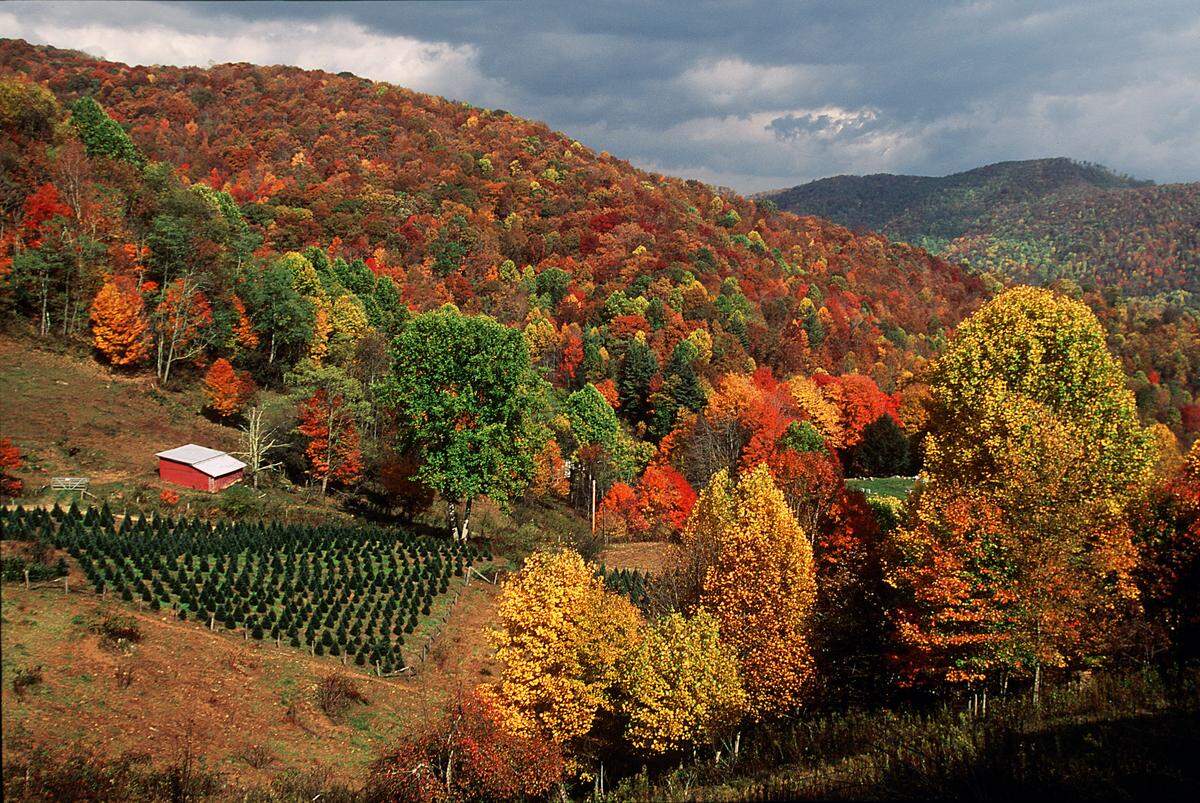
But experts say unseasonably high temperatures, like the 90-degree days parts of the mountains saw this week, and a lack of rainfall could delay everyone’s favorite fall views — and shorten the show.
According to the Weather Channel, above-average temperatures can confuse trees that look for two signs before letting their leaves change: weather and daylength.
Shortening days with longer, colder nights helps stop chlorophyll production — which gives leaves their green tint, the Weather Channel says.
“Without chlorophyll, the yellow and orange pigments of the leaves become dominant, resulting in the many beautiful colors of fall,” according to the channel.
Warm days with sun, cool nights and moist soil are ideal conditions for fall foliage.
“That said, dry conditions over some parts of the country could cause leaves to drop early and without much color,” the Weather Channel stated.
In Louisville, Kentucky, experts have warned a drought similar to what’s struck North Carolina could speed up the process — and not in a good way, the Courier-Journal reported, citing Claude Stephens, facilitator of outreach and regenerative design at Bernheim Arboretum and Research Forest.
“High temperatures and low moisture levels as a result of the ongoing drought are likely to cause trees to start ‘cutting their losses and dropping those leaves’ before they put on nature’s greatest fireworks show,” according to the newspaper.
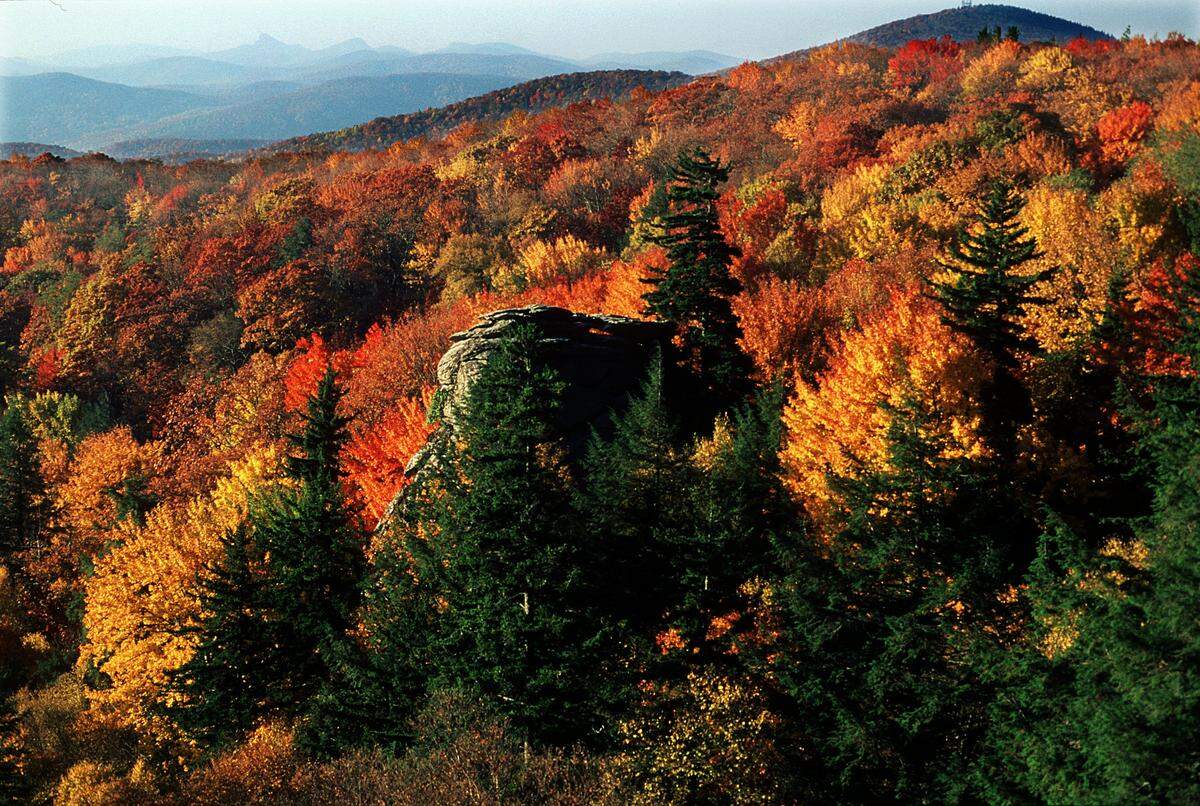
These problems aren’t exactly unexpected, according to predictions Appalachian State started making in 2011 on the effects of climate change and fall foliage.
Biologists there found that a combination of factors like higher temperatures and excessive rainfall could both delay the leaves changing and mute their colors.
A report in 2016 by Climate Central, a group of scientists and journalists researching climate change, found something similar.
“Projections for the end of the century suggest the warmer temperatures would delay the onset of peak colors, but also make them disappear sooner, leading to a shorter season,” Climate Central states.
But fret not — Asheville officials have reported the earliest “hints of fall color” are showing up at high elevations in the mountains.
Meteorologists are also predicting cooler temperatures next week, meaning Asheville is expecting more “fall color development.”
By the end of October, most of western North Carolina will be in or near peak color season.
This story was originally published October 4, 2019 at 3:33 PM.