‘Housecat-sized leopards’ bound for NC sanctuary after rescue from RVs in Canada
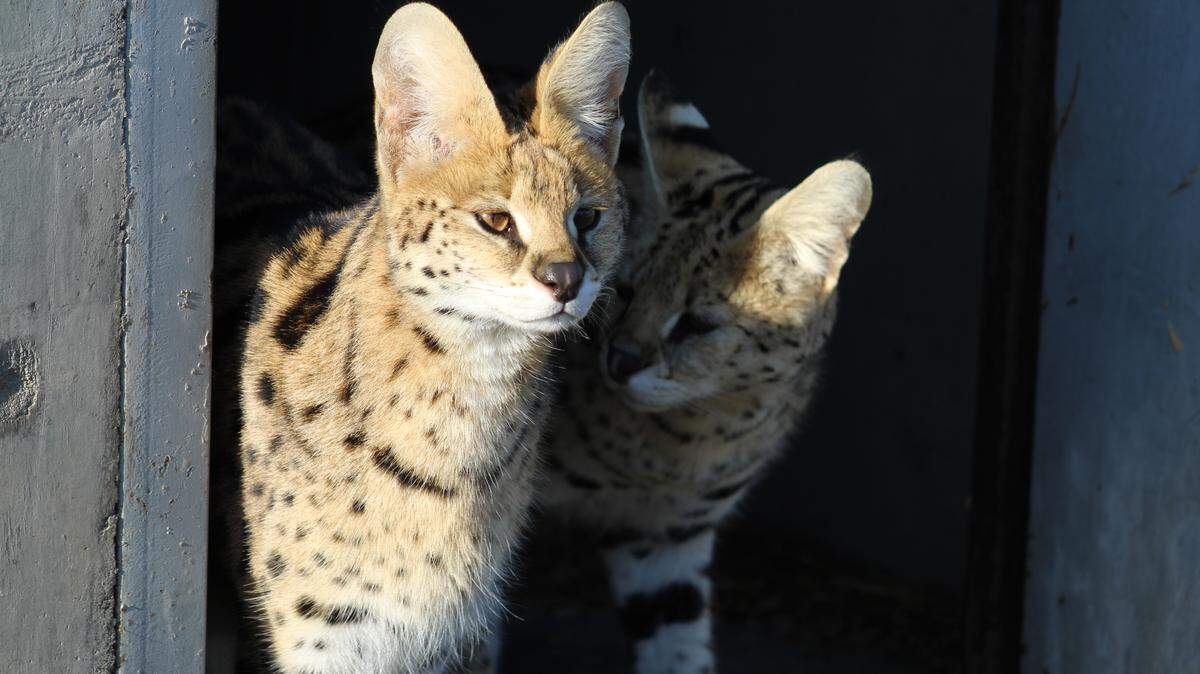
Seven servals — something of a cross between an oversized house cat and undersized leopard — are flying into Raleigh-Durham International Airport on Tuesday.
Their destination? Carolina Tiger Rescue, a big cat sanctuary less than 30 miles away.
The cats were rescued from a backyard breeding project in Canada, according to Michelle Meyers, the rescue group’s spokeswoman. They were kept in RVs with overflowing litter boxes and no natural light to be sold as pets to “unsuspecting buyers.”
“Servals make terrible pets for the average animal-lover,” she told McClatchy news group in an email. “Humans are fascinated with oddities, and servals look like housecat-sized leopards.”
.JPG "IMG_4413 - Copy (1).JPG")
These servals were among 13 seized by the British Columbia Society for the Prevention of Cruelty to Animals, according to a news release.
The breeder reportedly kept them in “horrific conditions,” with urine everywhere and “litter boxes overflowing with feces.” They also lacked “proper ventilation or access to water” and were living in high temperatures with covered windows, so no natural light could get in.
Meyers wasn’t sure how many RVs were housing the 13 servals.
“But I can say they were in deplorable condition, based on the reports,” she said.
Servals are native to Africa and weigh anywhere from 19 to 40 pounds, according to the African Wildlife Foundation. But they’re often kept as exotic pets, despite warnings from wildlife experts.
In British Columbia, servals are not included in the province’s Controlled Alien Species Legislation. But the BC SPCA has advocated for individual municipalities and local governments to adopt laws prohibiting keeping them as pets.
Servals have wild instincts that are difficult to control, according to the group, and they need certain dietary and veterinary care that can’t be easily provided in someone’s home.
“They are definitely not appropriate house pets,” the BC SPCA says on its website.
Meyers said servals can become aggressive when they reach maturity and have a tendency to “spray strong-smelling urine on everything to mark their territories.”
They’re energetic — too much so to live inside someone’s home — and predators by nature.
“These cats eat 5,000 rodents per year and are adept hunters,” she said. “Trapped in homes, they often require open-abdominal surgeries to remove flip flops, socks, phone cords and other non-edible ‘prey.’”
In a 2017 blog post, the Florida nonprofit Big Cat Rescue listed 242 reasons why servals aren’t pets and prospective buyers shouldn’t listen to “lying breeders.”
Of those reasons, 236 were incidents all over the country in which servals escaped homes, were killed on highways, taken to zoos, left to hunt without front claws or shot by neighbors and the police.
The seven bound for Carolina Tiger Rescue escaped that fate.
Staff are giving the servals “plenty of time to get acclimated,” according to the news release. They’ll reportedly be quarantined for 30 days and given a complete wellness check by the sanctuary’s veterinarian.
Keepers will also assess the servals’ personality quirks and group dynamics to decide whether they can live along the sanctuary’s tour path.
Meyers said they will be joining three other servals already living at Carolina Tiger Rescue.
“Regardless of this determination, the servals will get to live the rest of their lives in the care of professionals who can provide them with the specialized care their species needs,” the release states.
This story was originally published November 25, 2019 at 12:37 PM.