Richard Jewell didn’t bomb the 1996 Olympics. It was a fugitive in the NC mountains
In 2003, a 21-year-old cop working the overnight shift in rural western North Carolina caught one of the FBI’s 10 most-wanted fugitives accused of bombing the 1996 Olympics in Atlanta.
The fugitive’s name? Eric Rudolph.
For weeks, the world suspected Richard Jewell had placed the backpack with a bomb under a bench at Centennial Olympic Park on July 27, 1996.
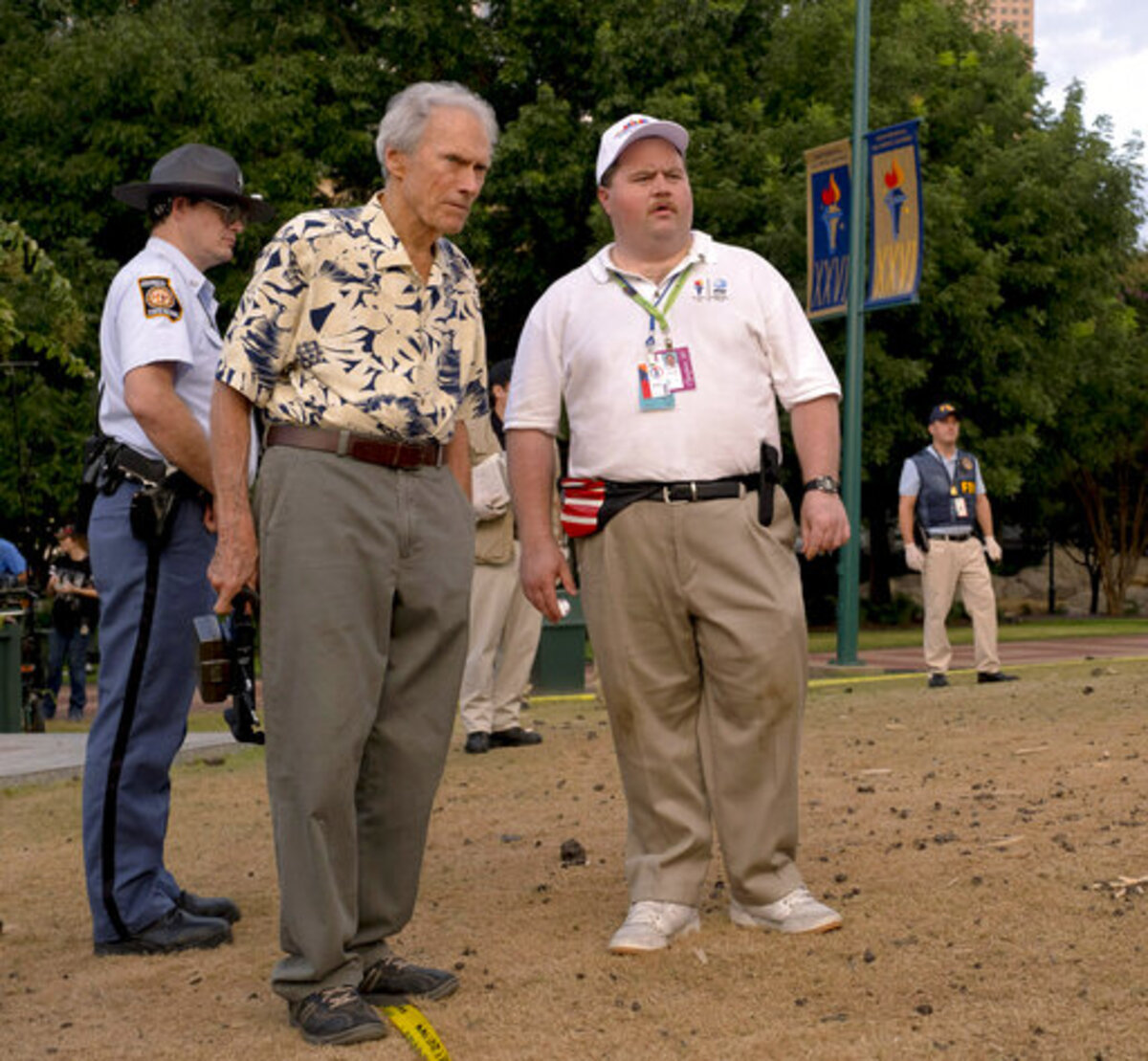
Clint Eastwood’s film “Richard Jewell,” due in theaters next week, chronicles those events.
It’s the tale of an otherwise “unremarkable” security guard who was America’s hero before the media turned on him, according to a 1996 Atlanta Magazine article.
But the story of the real culprit — a serial bomber motivated by his “anti-government and anti-abortion, anti-gay, ‘anti’ a lot of things” ideology, according to the FBI — was much closer to home, on Tennessee’s doorstep in the small town of Murphy, North Carolina.
Who found Eric Rudolph?
Jeffrey Scott Postell dreamed of becoming a police officer, according to the National Law Enforcement Officers Memorial Fund, which declared him officer of the month in September 2003.
He was still a teenager when the Atlanta bombing occurred and anxiously waiting for his 21st birthday when he could work for the Murphy Police Department, the memorial fund said.
Postell was on the job for barely 10 months — a “baby-faced, small-town cop,” as the LA Times described him — when he spotted someone behind the Save-A-Lot supermarket in the early morning hours on May 31, 2003.
Rudolph had been on the run for five years and bombed three more locations in Georgia and Alabama, including an abortion clinic and a lesbian nightclub, CNN reported.
Most thought him dead.
But some members of the FBI were “adamant” in their belief that Rudolph was a survivalist and hiding in the mountains of western North Carolina, where his family had lived “off the grid” when he was a teenager, according to the Blue Ridge Outdoors.
“I think 90 percent of the population had written off Rudolph as being out of the area, long gone, or dead,” former FBI executive Chris Swecker, who was in charge of the Charlotte office when the arrest was made, said of Rudolph after he was caught.
How was he captured?
Postell was nearing the end of his shift when he laid eyes on a vagrant “rummaging through a trash bin behind a rural grocery story,” the FBI said.
According to the memorial fund, the man dove behind a stack of milk crates before Postell got to him.
What first looked like a gun to Postell was actually a flashlight, and the officer ordered him to come out in full view. The man complied.
In an episode of Our State Magazine’s podcast “Away Message,” Postell recounted their ride to jail.
“I can still to this day remember him sitting in the back of my police car and me viewing him through my rearview mirror and him having just a death stare at me and just seeing his eyes,” he said. “He had the coldest eyes.”
The interview was adapted for a segment on WFAE, where Jeremy Markovich reported the cagey man was brought into custody so Postell could figure out who he really was.
Another officer then mentioned he looked like Rudolph and they pulled up the wanted poster, holding it next to his face before asking again: “Who are you?”
“And with a little snicker he looked up and says, ‘I’m Eric Robert Rudolph, and you’ve got me,’” Postell told Away Message.
What happened to Jeffrey Postell and Eric Rudolph?
That year, in 2003, People magazine named Postell one of the hottest bachelors of the year alongside Simon Cowell, Ashton Kutcher and Prince William.
The Town of Murphy’s mayor referred to him as “America’s most eligible bachelor.”
Seventy-eight-year-old Lillie Roper, who attended the same Baptist church as Postell, called him a “fine, Christian young man” in an LA Times article about the arrest.
But Postell said it was “just in a day’s work.”
Rudolph eventually pleaded guilty and was sentenced to multiple life sentences without the possibility of parole, according to the FBI. He also revealed where he’d stashed an extra 250 pounds of dynamite.
Swecker said the serial bomber was subdued after his capture, compliant.
“Later, when they put him on the plane to go to Atlanta, he had tears in his eyes. As he saw those mountains receding in the background, he probably realized he would never see them again,” Swecker said. “I think at that point, it wasn’t defiance. It was defeat. He knew he was defeated.”
Postell moved to the Boston College Police Department in 2009, according to the campus public safety website.
He told Away Message he’d met someone special on a visit in 2008 — a “young fellow” who isn’t so young anymore.
“He’s old,” Postell said, according to the magazine. “He and I both are old.”
They got married and adopted a son, according to Away Message. He doesn’t talk much about the Rudolph Case.
This story was originally published December 5, 2019 at 6:02 PM.