An air-locked lab at UNC is leading research on cures for the coronavirus
For scientists working in laboratories across the world, their names usually won’t become well known outside of the subsection of people reading academic journals.
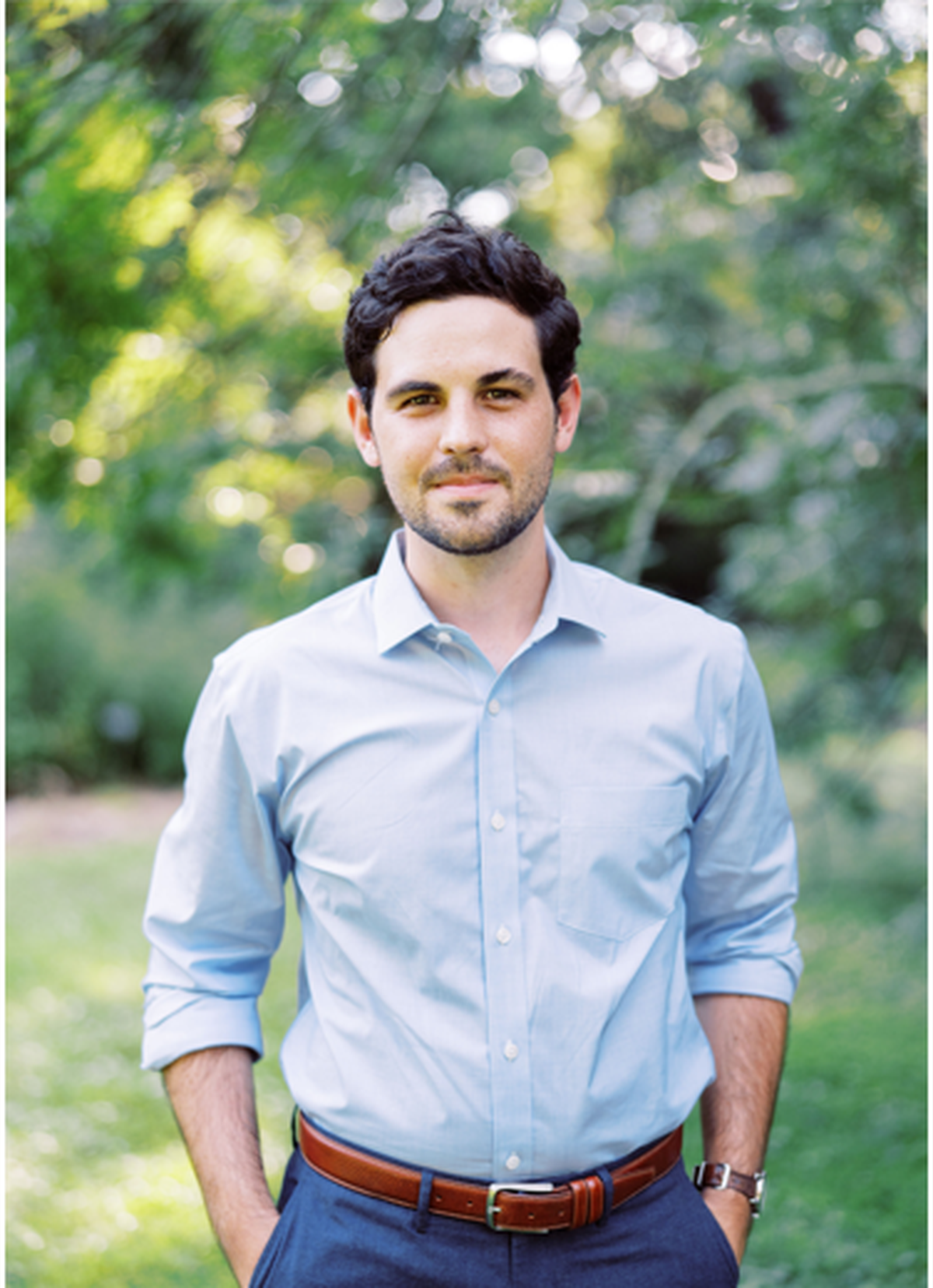
But the outbreak of COVID-19 — the disease caused by the novel coronavirus that has spread from China around the globe this year — has pushed researchers at UNC-Chapel Hill, specifically Dr. Ralph Baric, into the spotlight.
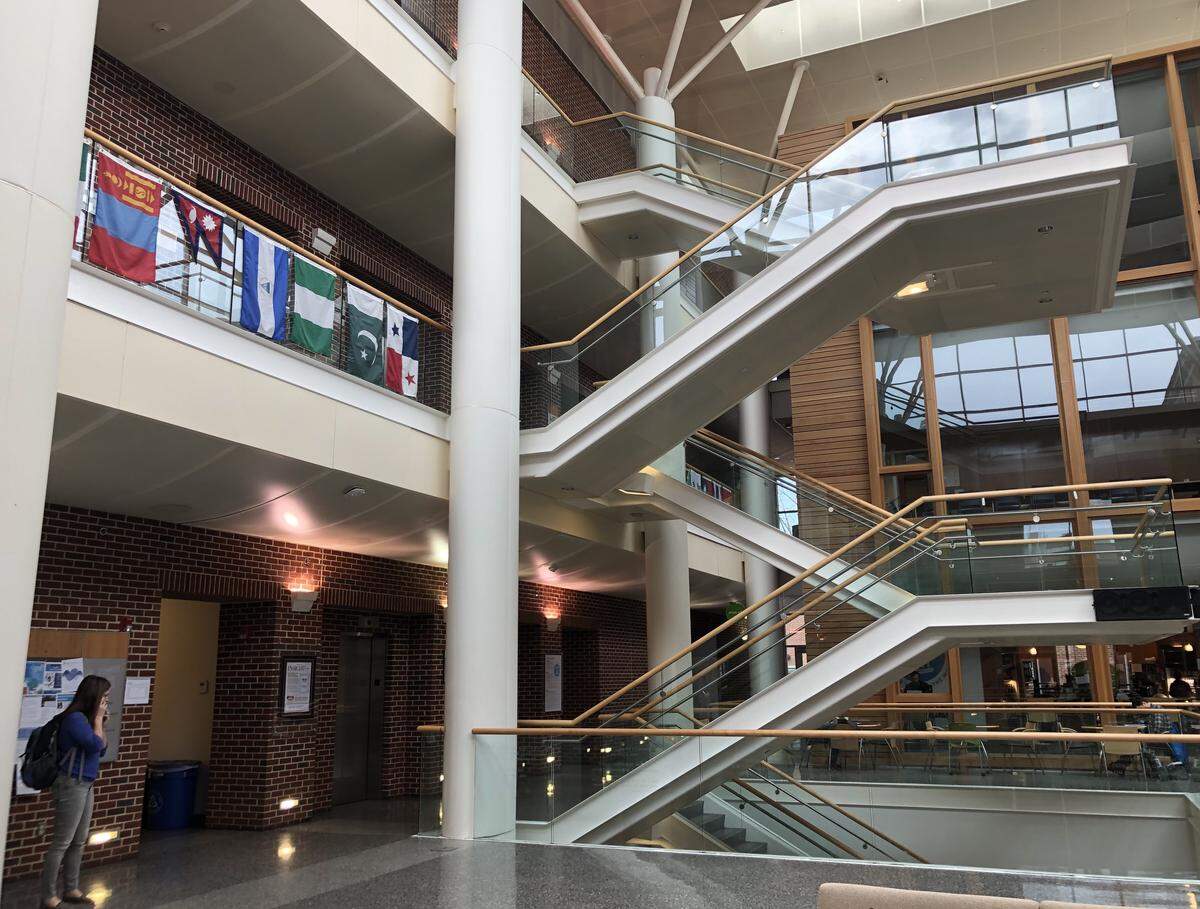
There, at the UNC Gillings School of Global Public Health, Baric and his many collaborators are on the forefront of research in the fight to keep the coronavirus at bay.
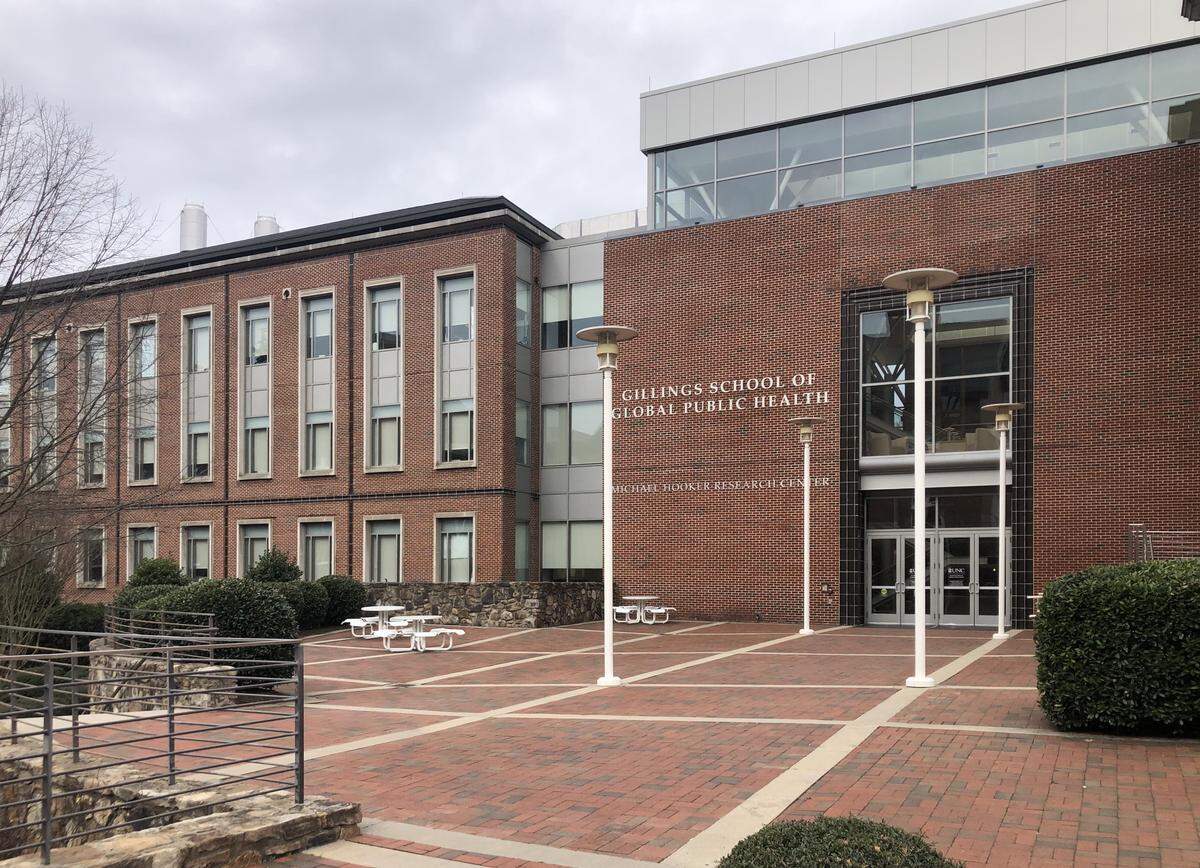
With his team of 30 people, Baric has been making strides in coronavirus research since the 1990s, raising concerns about the potential it could have before the outbreak of severe acute respiratory syndrome (SARS) in 2002. He has extensively researched SARS, which first appeared in China, and also Middle East respiratory syndrome (MERS), which flared up around the Middle East in 2012.
So when the 2020 coronavirus began locking down large swaths of China and eventually spread to the rest of the world, Baric was one of the first people in the U.S. to receive a sample to begin testing for potential therapies.
The sample arrived in Chapel Hill on Feb. 6, taken from a patient in Washington state who had contracted the virus. It now resides in an air-locked laboratory on campus, where Baric’s team is attempting to grow more for testing, a fact first reported by Bloomberg and confirmed by The News & Observer.
Now Baric and his team are working long hours in head-to-toe protective body suits to find potential treatments for the virus that has infected more than 100,000 people worldwide. Baric and his team were not available for interviews about their work. They are reportedly working in the lab from 6 a.m. to 11 p.m. every day.
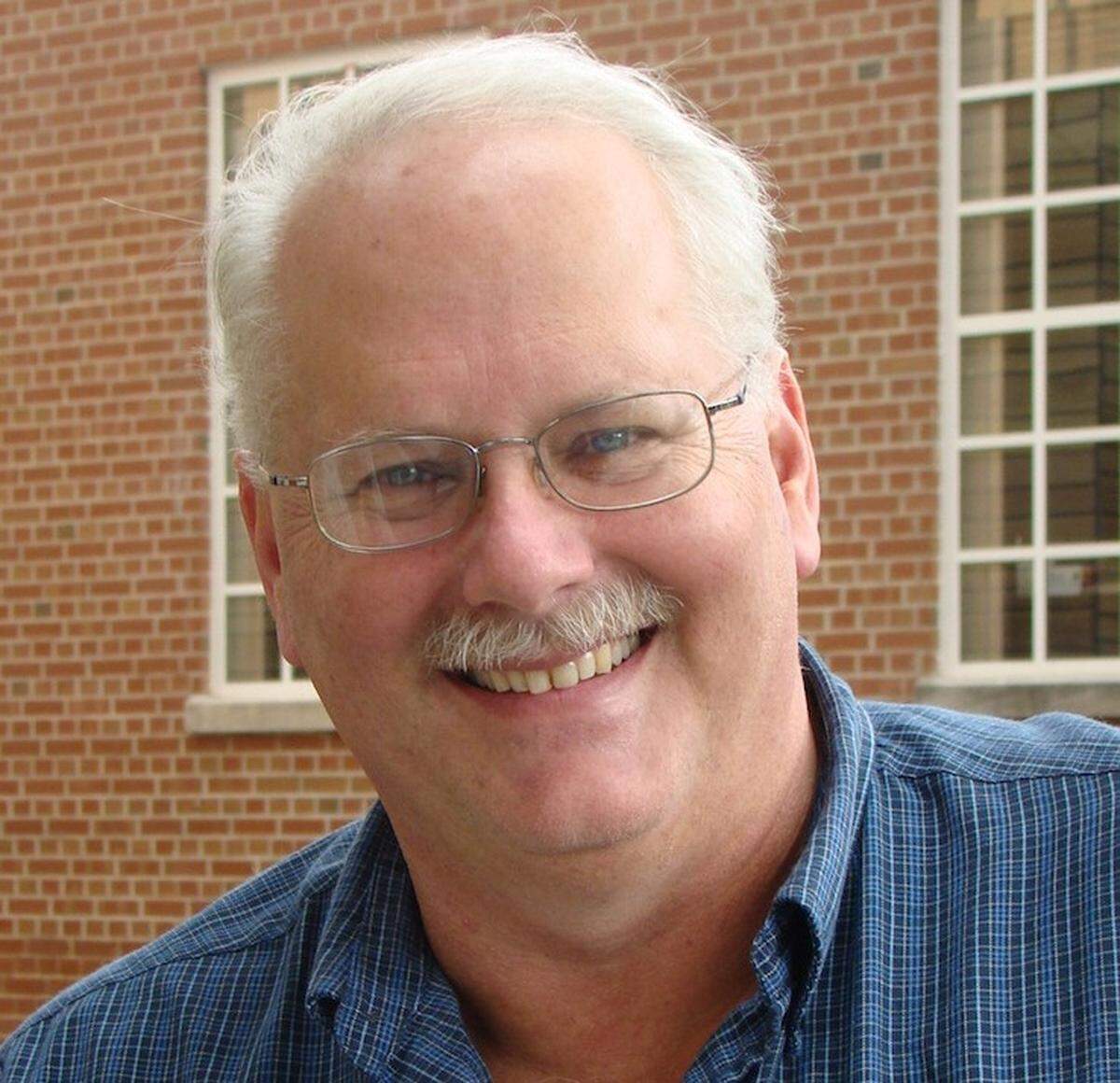
“His life is crazy right now,” said Dr. Mark Heise, a professor in the department of genetics at UNC and a longtime collaborator with Baric. “It has been an all-hands-on-deck effort to get the research program up and running and developing models” for testing.
Already one potential cure, with ties to Baric’s work, is making its way through trials. Baric, in conjunction with Vanderbilt University, has tested almost 200,000 drugs against SARS, MERS and other coronavirus strains, Bloomberg reported.
One of them was Gilead Science’s treatment called remdesivir, which the World Health Organization has pointed to as promising. It is currently in trials in China and could have results back by April.
Thanks to more than a decade’s work on SARS and MERS, the reaction to COVID-19 has been swift, said Heise, who has worked with Baric since the SARS outbreak in 2002.
“SARS led to better culture systems and understanding of the virology of these viruses,” he said. “The Gilead drug was initially [created for] MERS AND SARS, so it’s a long-term payoff for that science. We are better positioned than we would have been” without the previous research.
Heise’s lab at UNC is collaborating with Baric’s by developing coronavirus mouse models for testing antivirals or vaccines. Currently, the standard laboratory mice can’t be infected by the coronavirus, meaning they can’t test the full range of treatments on them.
But, previously, the Baric and Heise labs were able to make mice receptive to MERS and SARS by modifying their genomes to mimic human lung receptors. UNC’s work at the moment is still in cell cultures, but Heise said it hopefully will move to mice soon.
Much like MERS and SARS, COVID-19 is zoonotic, meaning it jumped from animals to humans — most likely from bats. SARS spread from bats, and MERS was traced back to camels.
But where SARS caught the world by surprise, COVID-19 is now the third such coronavirus to inflict a serious illness on the world since the turn of a century. That trend is making UNC’s research increasingly relevant to global public health, especially if COVID-19 becomes endemic, meaning it becomes a seasonal virus that requires yearly inoculations.
To Baric, the virus “looks like it’s transitioning into a full-blown global pandemic,” he said in a recent interview with the North Carolina Biotechnology Center.
Heise said we’ll likely see these types of viruses continue to pop up because of the increase in global travel and pressures on different animal ecosystems.
“There is a general agreement that this virus arose because it came out of an animal market where different species were held in close proximity,” he said. “When you change an ecosystem or put humans in close contact [with animals] you increase the likelihood of these transmission events.”
In the meantime, there are still a lot of unknowns when it comes to COVID-19. But Heise believes in due time there will be vaccines and therapies for the virus.
“I am optimistic that there will be vaccines and therapies that will be rolled out for this,” he said. “But they do take time because we need safety and effectiveness.”
This story was produced with financial support from a coalition of partners led by Innovate Raleigh as part of an independent journalism fellowship program. The N&O maintains full editorial control of the work. Learn more; go to bit.ly/newsinnovate
This story was originally published March 7, 2020 at 6:00 AM with the headline "An air-locked lab at UNC is leading research on cures for the coronavirus."