
Inmate at hard-hit Neuse becomes second in NC prisons to die from COVID-19
An inmate at Neuse Correctional Institution — the site of one of the nation’s largest COVID-19 outbreaks — has died after testing positive for the disease.
The inmate, a man in his late 70s who also suffered from other health problems, died at the hospital on Thursday, state officials said. He was the second state prison inmate to die as a result of COVID-19 complications.
The inmate at Neuse tested positive for COVID-19 on April 18. He was hospitalized on April 20, and his condition worsened in the days before his death, state officials said.
State prison officials did not identify the inmate, citing the family’s right to privacy and the confidentiality of inmate records.
Located in Goldsboro, Neuse houses about 770 inmates. More than 460 of them — roughly 60 percent of the prison population — have tested positive for COVID-19 so far, according to the Wayne County Health Department. State officials have tested all inmates at Neuse, and have said that the large majority of the infected inmates have shown no symptoms.
Twenty nine staff members at Neuse have also tested positive for the coronavirus, prison spokesman John Bull said Friday. That has increased the staffing challenges at Neuse, which — like many state prisons — has faced high officer vacancy rates.
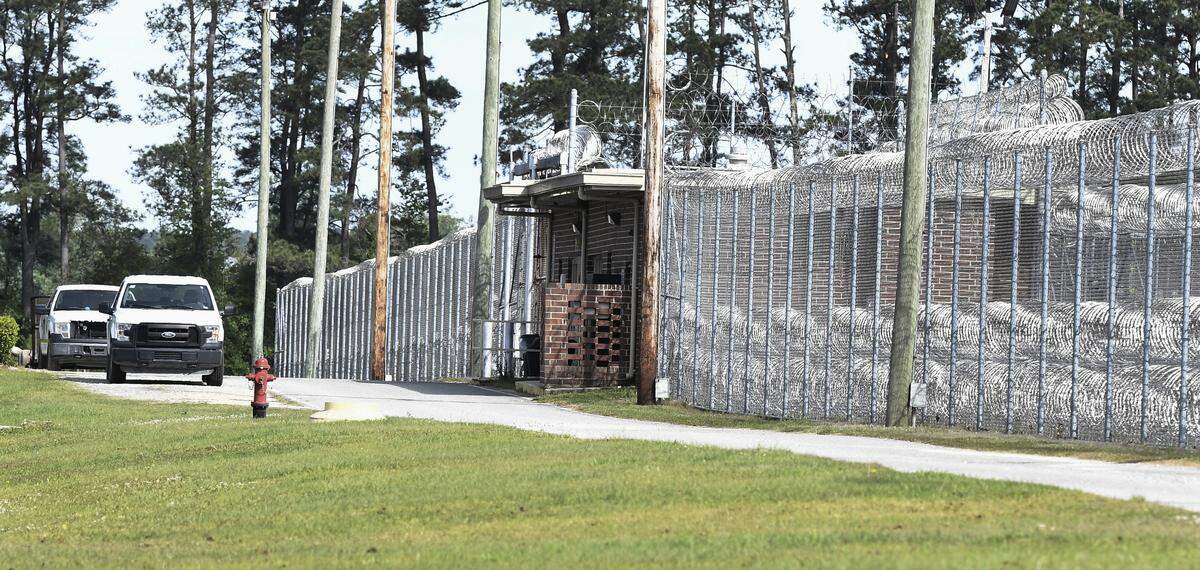
On Monday, prison officials announced that they have temporarily closed Johnston Correctional Institution, in Smithfield, and are sending that prison’s employees to work at Neuse, 24 miles to the southeast.
The first state prison inmate to die as a result of COVID-19 complications, a man in his late 50s who also suffered from other health problems, was housed at Pender Correctional Institution, north of Wilmington. He died at the hospital on April 21.
In a statement issued Friday, state prisons commissioner Todd Ishee said officials were doing their “best to try and flatten the curve of COVID-19 in Prisons.”
Experts say prisons and jails are particularly vulnerable to infectious diseases because inmates live so closely together.
State officials have suspended visitation at the prisons. They’ve begun releasing some inmates early. And they say they are taking the temperatures of all staff members before they enter prisons each day.
“The health and safety of the staff and the men and women in our custody is of the utmost importance,” Ishee said.
This story was originally published April 24, 2020 at 10:43 AM.
.JPG)