
First COVID vaccine shipments arrive at NC hospitals, with more on the way
The first doses of a vaccine against COVID-19 arrived in North Carolina via UPS on Monday morning, marking the beginning of a months-long process to inoculate residents against the virus.
The first shipments went to Duke Health in Durham, Atrium Health in Charlotte and Wake Forest Baptist Health in Winston-Salem, where they will be given to employees who work with and around COVID-19 patients, including custodial staff.
Gov. Roy Cooper announced the arrival shortly before 10 a.m.
“It’s a limited supply for now, but this is a remarkable achievement for science and health,” Cooper said in a tweet. “We all need to keep wearing a mask and acting responsibly while we get as many people vaccinated as fast as we can.”
North Carolina expects to receive 85,800 doses of the vaccine this week, divvied up among more than 50 hospitals across the state. UNC Health says it was told by the state Department of Health and Human Services late Sunday that the medical center in Chapel Hill can expect its first shipment on Tuesday.
“Other hospitals in our system, including UNC REX, are expected to get vaccines later in the week,” UNC said in a written statement. “We continue to work on preparations so that we can begin inoculating our frontline staff as soon as possible once the vaccines arrive.”
The vaccine, developed by Pfizer and its German partner BioNTech, is shipped in concentrated form in glass vials, five doses per vial, in trays that hold 975 doses each. UPS delivered three trays to Duke University Hospital in Durham on Monday, for a total of 2,925 doses, according to spokeswoman Sarah Avery.
Among the first to receive the vaccine at Duke will be Dr. Julius Wilder, a gastroenterologist and hepatologist who is called on to help treat COVID-19 patients. Wilder got his shot Monday afternoon.
“It’s exciting to be approaching a moment where we can begin to turn that corner and look toward the end of this,” he said in an interview earlier in the day. “If we want to get back to our lives, the quickest, most efficient way to do that is to get vaccinated.”
‘Important for me to set the example’
Wilder said Duke approached him about being in the first wave of vaccinations not only because he works with coronavirus patients but because of his research in the social disparities of health care. He said Duke wants African Americans and other people of color to feel comfortable receiving the vaccine, despite long-standing distrust of the health care system among some.
“For me as a Black male physician who is encouraging my patients to get the vaccination, it’s important for me to set the example,” he said.
Duke planned to give a small number of vaccinations Monday afternoon, to make sure its procedures are sound, said Dr. William Fulkerson, executive vice president of Duke Health. Fulkerson said that starting Tuesday Duke hopes to inoculate at least 60 employees a day at Duke University Hospital and begin soon at Duke Regional and Duke Raleigh hospitals.
Duke expects to receive an additional 3,900 doses of the vaccine in the next two days to be given to employees at Duke Regional and Duke Raleigh, Avery said.
WakeMed expects to receive 3,900 doses of the vaccine on Thursday and begin administering it to frontline employees from all of its hospitals and clinics on Friday morning, said Dr. David Kirk, a pulmonary and critical care specialist who is leading the vaccination planning.
The Pfizer vaccine must be kept at minus 94 degrees Fahrenheit until it’s ready to use. The hospitals that will receive the vaccine this week all have ultra-cold freezers or the ability to receive and handle shipments packed in dry ice.
The Food and Drug Administration authorized use of the Pfizer vaccine on an emergency basis late last week and is expected to do the same for a second vaccine developed by Moderna later this month.
To work, both vaccines need to be administered twice — 21 days apart for Pfizer and 28 days for Moderna. State officials say all 85,800 doses received this week will be first doses and that they’ve been assured by the federal government that the second shots will arrive on time.
The state’s plan for distributing the vaccine gives top priority to front-line hospital employees, followed by people at high risk of exposure or becoming seriously ill from the virus, such as employees and residents in nursing homes and long-term care centers.
State officials say it will likely be spring before there’s enough vaccine available for anyone who wants it.
Dr. David Wohl, an infectious disease specialist at UNC Health, says with all the precautions at hospitals and clinics health care workers are more likely to contract the coronavirus outside of work. But Wohl says it makes sense to start by vaccinating doctors, nurses and other essential health care workers to keep them on the job.
“It will help prevent people from getting sick with COVID, which we want, but it also maintains our critical workforce,” he said. “We don’t want people in these critical functions getting sick and not coming to work.”
Wohl expects to receive the vaccine as soon as Tuesday and says he’s excited about it.
“This is the beginning of something we’ll remember forever. I feel history is being made,” he said. “This is an incredible and hopeful moment. I think we all feel that.”
While many consider the vaccine an historic event, many others remain skeptical about taking it. An Elon University Poll released last week found that 60% of the 1,390 North Carolinians surveyed either would not take the coronavirus vaccine or are not sure.
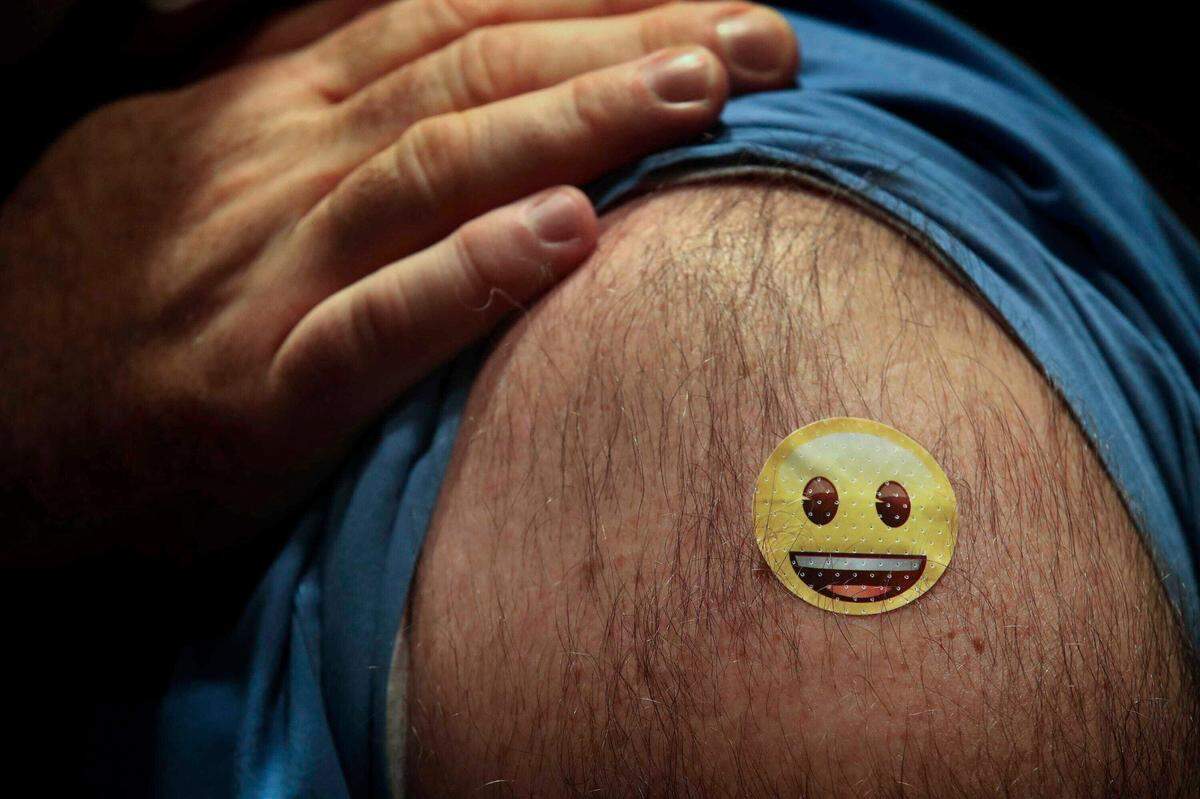
Wilder, who rolled up his sleeve at Duke on Monday, said he understands that.
“Whenever you do anything new, of course there’s a little nervousness,” he said. “But no hesitation at all. I’ve looked at the data, and I’m confident in the safety and efficacy of the vaccine.”
This story was originally published December 14, 2020 at 12:41 PM with the headline "First COVID vaccine shipments arrive at NC hospitals, with more on the way."
