
Inmate’s death leaves family with questions: Why did he have black eyes and bruises?
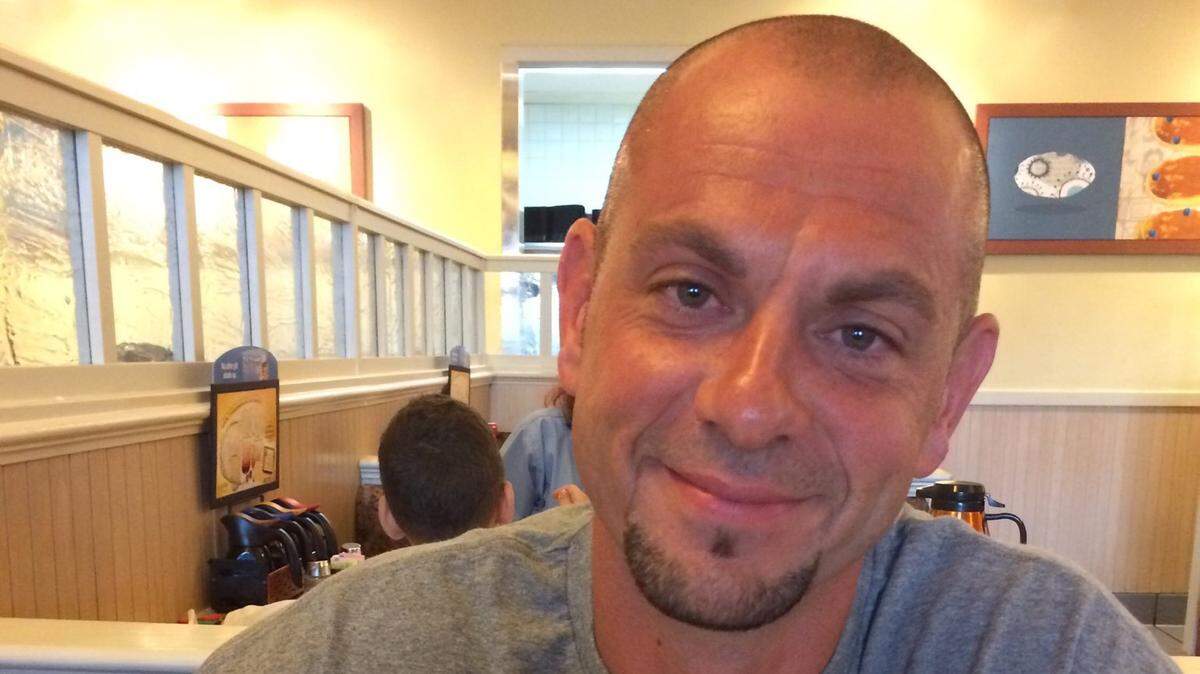
Johnny Autry Sr. was already reeling from the news that his son had died in prison. Then he went to the funeral home and experienced another shock.
His son, 44-year-old Johnny Autry Jr., had two black eyes, bruises elsewhere on his face, and cuts on the top of his head.
To the elder Autry and other family members, it appeared Autry Jr. had been beaten before he died Jan. 9 at Pamlico Correctional Institution in Bayboro, North Carolina.
“All I could do was picture somebody beating him down, not knowing whether he was begging for mercy or trying to defend himself,” Autry Sr. said. “... How could anybody do anything like that?”
Autry Jr. was serving a prison sentence for drug possession and a habitual felon conviction at the coastal North Carolina prison. He was scheduled to be released in December.
What led to his death is unclear. Agents from the State Bureau of Investigation are investigating his death, but the autopsy results have not yet been released.
In a brief press release, the state Department of Public Safety said staff members at the prison spoke to Autry for more than an hour after he came to them in a “paranoid state.”
“Staff were unable to calm him before he entered into medical distress and became unresponsive,” the press release stated.
Prison staff members performed CPR, according to the release. Then, after prison staff called 911, paramedics arrived and tried without success to revive Autry.
Pamlico Correctional, a medium-security prison that houses about 500 inmates, had no medical staff on duty at the time, a state prison spokesman said in response to questions from the Charlotte Observer.
‘Something went down there’
Family members say the state’s account of Autry’s death — that he became unresponsive and died after staff members talked to him for more than an hour — leaves them skeptical, largely because of the injuries they saw on his face and head.
Autry’s family took photographs of his body at the funeral home, and shared them with the Observer. The photos appear to show that Autry had two black eyes, a long cut or bruise on his right cheek, a bruise or abrasion on his chin, and several cuts on the top of his head.
“After seeing his body, I have no doubt that he was beaten, if not beaten to death,” said Autry’s fiancee, who asked that her name not be used for safety reasons. “ … Something went down there.”
Dr. Gregory Hess, a noted forensic pathologist and chief medical examiner in Pima County, Arizona, examined the photos at the Observer’s request and said they don’t provide enough information to determine whether Autry was beaten before his death.
“Could it be injuries? Yes,” said Hess, whose office covers the greater Tucson area. “But even if it is, did it cause his death? I don’t know.”
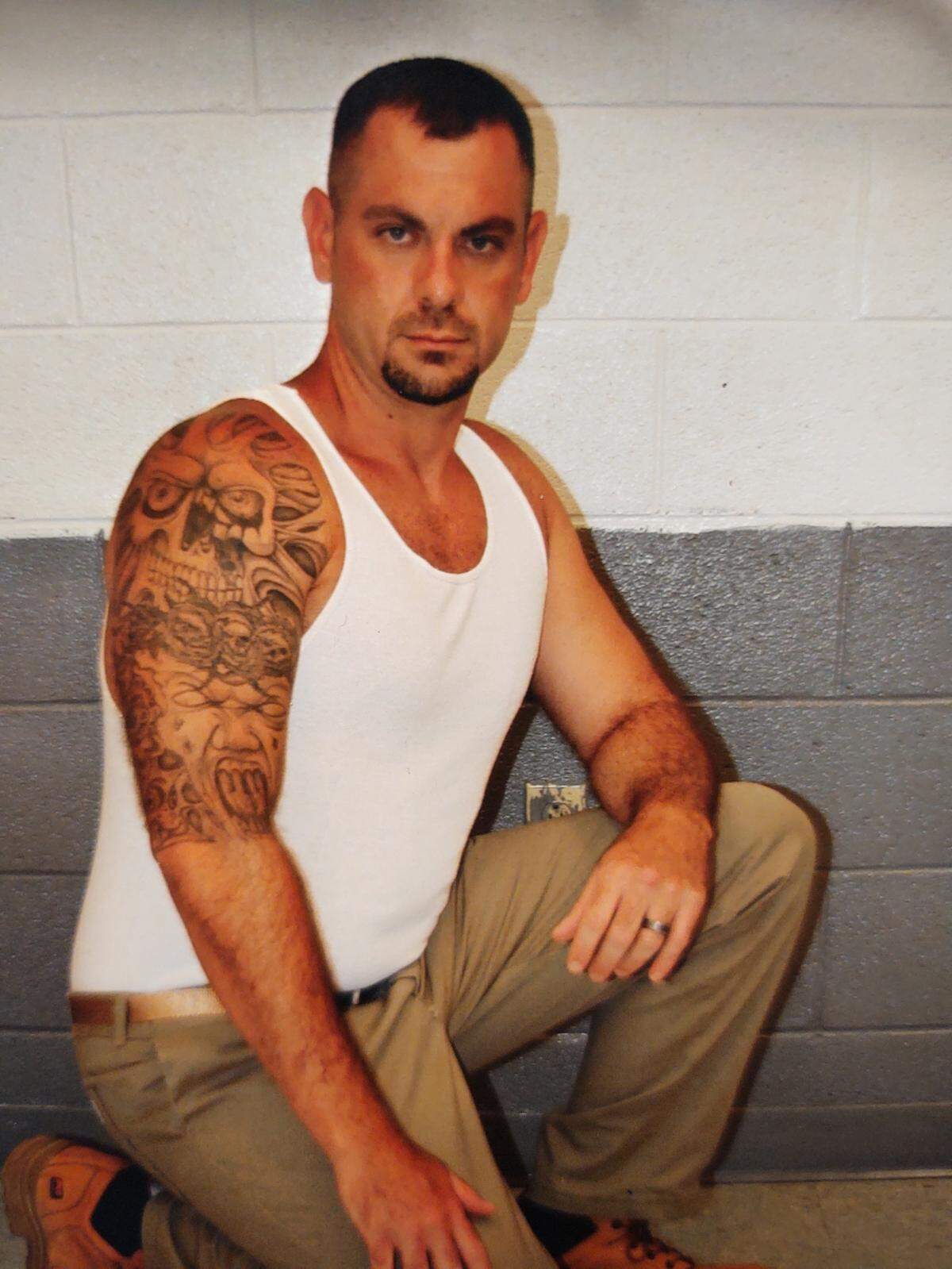
Family members said while prison officials have told them little about what happened, they’ve heard from inmates who said Autry was escorted by prison staff to a room without surveillance cameras — the so-called “intake room” — shortly before his death. The inmates reported that they never saw Autry again, family members said.
“When he walked out of the block on his own free will he had no marks on him,” one inmate at Pamlico wrote in a letter to Autry’s fiancee. “He had not been beat up. … He was very coherent when he was escorted out of the block.”
Less than an hour later, the inmate wrote, the prison called a Code 4, which is typically sounded when prisoners assault one another.
Autry was pronounced dead shortly after 9 p.m. that night, according to the public safety department.
Autry’s fiancee acknowledged that he was a drug addict. While it’s unclear whether Autry had drugs in his system the night he died, the letter that the inmate wrote to Autry’s fiancee raises that possibility. But he added: “I have seen Johnny way more higher than he was that night.”
Since December 2017, Autry had been cited for eight infractions inside prison, state records show. They include substance possession, weapon possession, disobeying orders and lock tampering.
Prison spokesman John Bull declined the Observer’s request for surveillance video from Pamlico Correctional on the night of Autry’s death, citing prison security and the SBI investigation.
Bull said that as far as he knows, no prison staff members have been disciplined or fired in connection with Autry’s death.
“This is under investigation,” Bull said. “There’s nothing else I can tell you.”
‘They’re still humans’
Family members say they have been left with many unanswered questions.
Autry’s mother, Shelby Torres, said she talked by phone with her son the day before he died, and he gave her no reason for worry. But on Jan. 9, at around 9:30 p.m., she said she got a call from a prison official who instructed her to sit down, then delivered the news that her son had died. The official said nothing about the circumstances of his death.
“I just want to know why he got beat up,” Torres said. “ … It puzzles me why he had all these marks on his face for no reason.”
Autry had been in and out of prison repeatedly since the mid-1990s, doing time for larceny, breaking and entering and other offenses.
Still, despite his drug problem, he was usually easygoing, family members said.
Autry had two grown daughters, both in their early 20s. Before going to prison, he’d lived in the town of Kenly, about 45 miles east of Raleigh. But he’d been planning to move to Charlotte once he was released so that he could live with his fiancee.
Before he went to prison, he’d been working for a company that did heating and air conditioning repair work. He liked to make people laugh, and he spent much of his free time outdoors, fishing and riding his four-wheeler, family members said.
“He got along with pretty much everybody,” his mother said. “He was not a person who liked to cause problems or anything like that.”
Another woman said her fiance, who was also in the same cell block as Autry, reported that Autry appeared to be “walking OK” and that he didn’t appear to be bruised or cut when he was escorted out of his cell block before his death.
But after Autry was taken into the intake room, “he never came out,” Kanella Quattlebaum said.
“I know they’re inmates,” she said, “but at the end of the day, they’re still humans.”
Autry’s father said he has begun talking to a lawyer to explore a possible lawsuit. If anyone was at fault, he said, he’d like to see them punished. And he’d like to help protect others.
“If it happened to him,” he asked, “what will happen to somebody else?”
This story was originally published February 9, 2021 at 12:15 PM.
.JPG)