Meet the 9 North Carolinians receiving the state’s highest civilian honor this year
A group of nine North Carolinians spanning the fields of microbiology and immunology, education, public service, history and fashion received the state’s highest civilian honor during a ceremony Thursday evening.
Recipients of the North Carolina Award for 2021 and 2020 (since last year’s ceremony was canceled due to the pandemic) include Dr. Francis Collins, the outgoing director of the National Institutes of Health who has led the federal agency for the last 12 years; Dr. Ralph Baric, a renowned coronavirus researcher at UNC-Chapel Hill; and André Leon Talley, who grew up in Durham and went on to work at several fashion publications, including Vogue.
Established by state lawmakers in 1961 and first awarded in 1964, the North Carolina Award recognizes “significant contributions to the state and nation in the fields of fine arts, literature, public service and science,” according to the N.C. Department of Cultural and Natural Resources, which administers the award.
More than 250 people have received the award, including Maya Angelou, James Taylor, John Hope Franklin, the Rev. Billy Graham and the Rev. William J. Barber II.
Gov. Roy Cooper presented the awards at a ceremony Thursday at the North Carolina Museum of Art’s East Building.
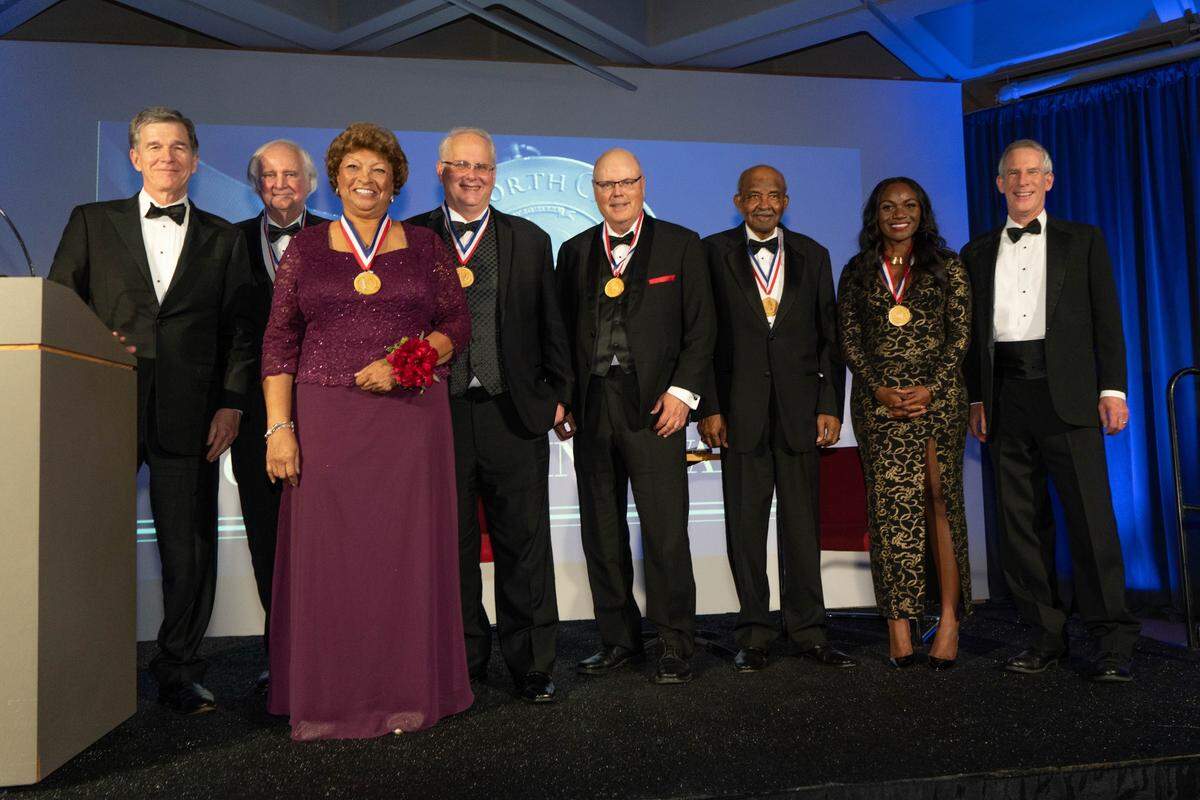
Here are all the people being honored for 2020 and 2021 with biographical information provided by the Department of Cultural and Natural Resources.
2020 North Carolina Award Honorees
All three honorees for 2020 are being given the North Carolina Award for science in recognition of their contributions to the development of COVID-19 treatments and vaccines, DCNR said.
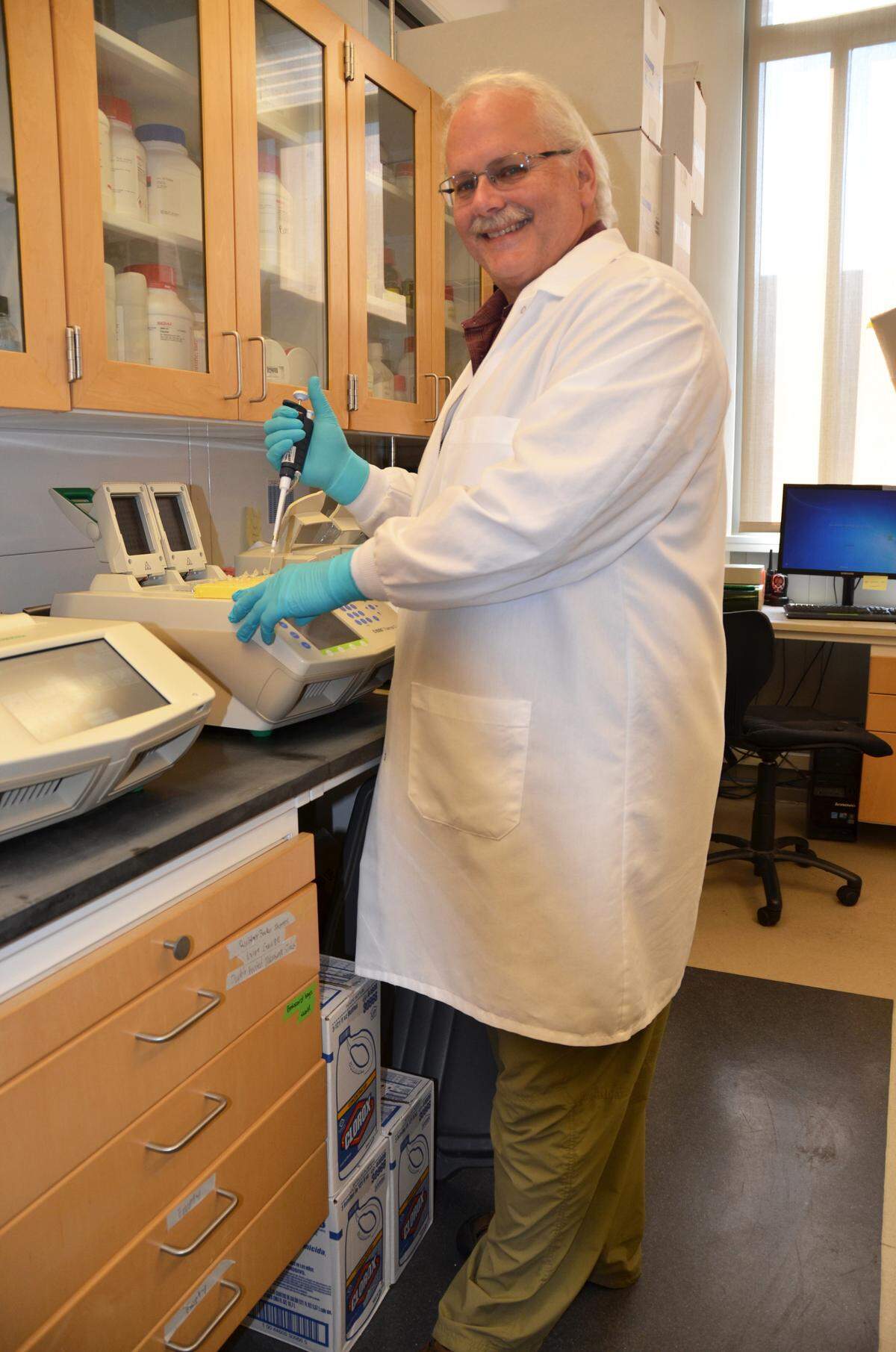
Dr. Ralph S. Baric (Science): Baric is the William R. Kenan Jr. Distinguished Professor of Epidemiology and a professor of microbiology and immunology at the UNC Gillings School of Global Public Health. He has been studying coronaviruses for over three decades, and a research team he led last year helped develop the antiviral drugs and COVID-19 treatments remdesivir and molnupiravir.
His research was also used to develop, test and distribute the Moderna vaccine. In April, Baric was one of four UNC-CH professors inducted into the National Academy of the Sciences. Baric earned his bachelor’s degree in zoology and Ph.D. in microbiology from North Carolina State University.
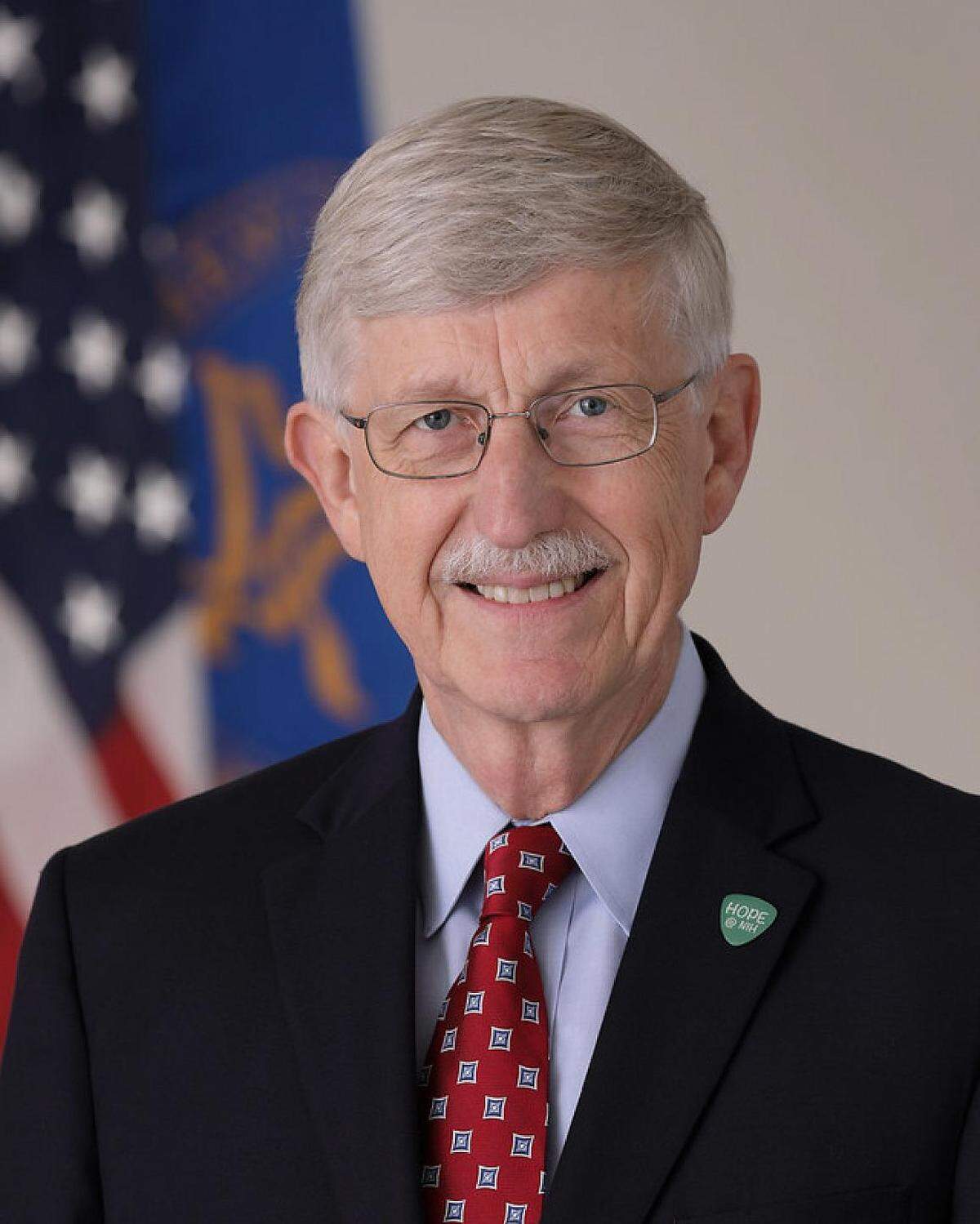
Dr. Francis S. Collins (Science): For the last 12 years, Collins has served as the director of the National Institutes of Health, a role in which he was a key public health official leading the federal government’s response to the pandemic. Over the course of his career as a trained physician and geneticist, Collins conducted research into genetics and led so-called “gene hunters” who successfully identified genes responsible for diseases including cystic fibrosis, Huntington’s disease and a form of leukemia.
While serving as the director of the National Human Genome Research Institute, Collins also led the international Human Genome Project, which published the finished sequence of “the human DNA instruction book” in 2003. He earned his medical degree from UNC.
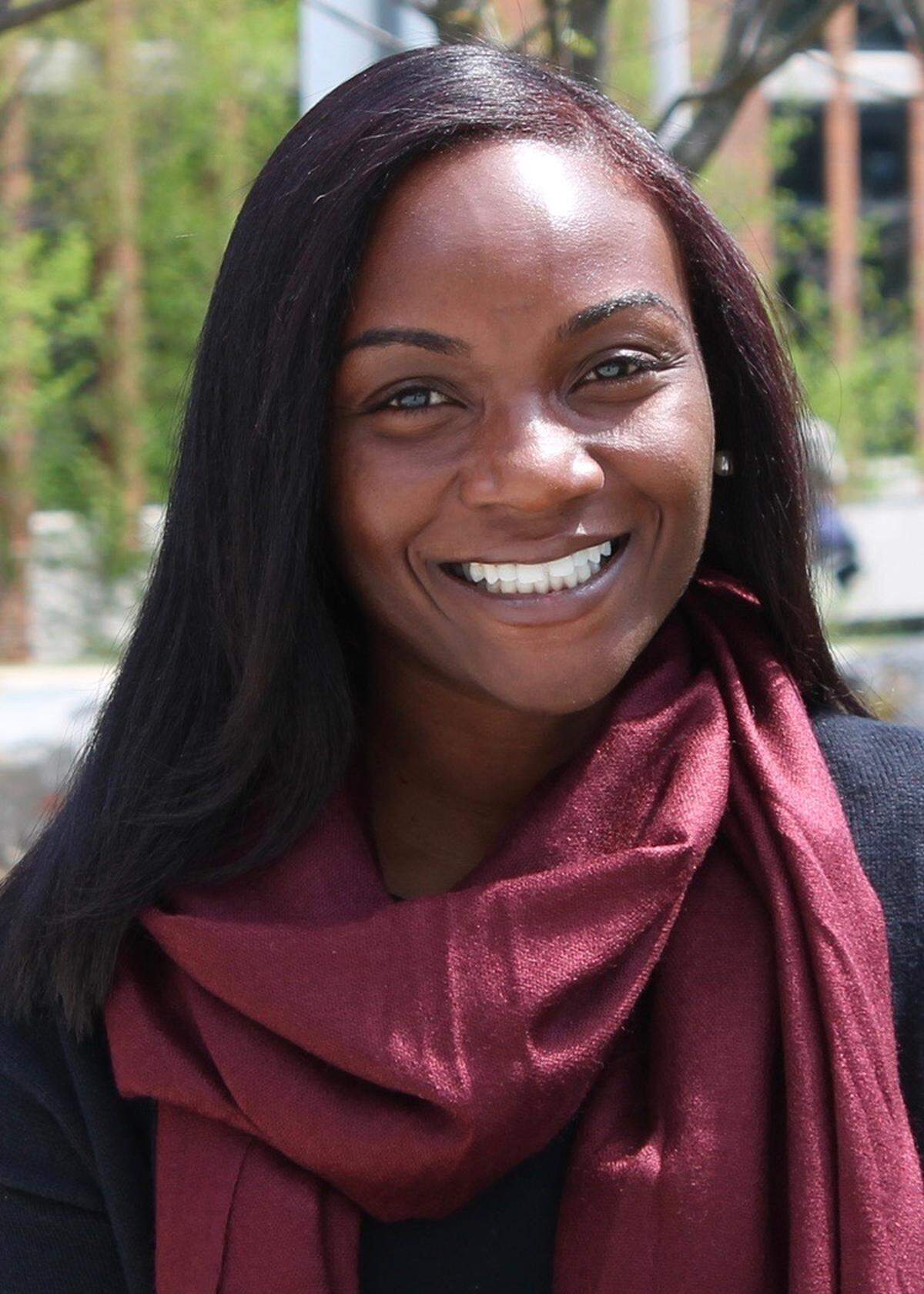
Dr. Kizzmekia S. Corbett (Science): Corbett, who grew up in Hillsborough, is a viral immunologist and assistant professor of immunology and infectious diseases at Harvard University’s T.H. Chan School of Public Health. She earned her Ph.D. in microbiology and immunology from UNC-CH in 2014. Corbett was involved in the development of a COVID vaccine since the earliest stages of the pandemic.
The team of researchers Corbett led was able to produce a vaccine in partnership with Moderna that was ready for Phase I clinical trials in just 66 days. She has more than 15 years of experience with viral diseases, including coronaviruses, dengue and influenza.
After helping develop the Moderna vaccine, Corbett has devoted herself to addressing vaccine hesitancy and reassuring people who are skeptical about the vaccine’s safety and efficacy.
2021 North Carolina Award Honorees
Dr. Dudley E. Flood (Public Service): A former educator and administrator, Flood was at the forefront of the effort to desegregate North Carolina schools in the years following the U.S. Supreme Court’s landmark 1954 decision in Brown v. Board of Education, which found that laws keeping schools racially segregated were unconstitutional.
In the early 1970s, Flood worked alongside Gene Causby, a colleague at the North Carolina Department of Public Instruction, in the desegregation effort. Together, Flood, who is Black, and Causby, who died in 2014, and was white, traveled across the state to meet with local communities and help them desegregate their schools.
David Holt (Fine Arts): A musician and Grammy award winner, Holt has spent more than 50 years collecting and performing music of North Carolina’s Blue Ridge Mountains. Holt grew up in Texas but moved to western North Carolina after college, where he pursued his interest in traditional music.
While exploring traditional music, Holt discovered folktales and stories he later incorporated into his concerts. In 1975, Holt established the Appalachian Music Program at Warren Wilson College in Swannanoa. He has been a full-time artist since 1985, and in 2002, his retrospective on the life and career of bluegrass and country guitarist Doc Watson titled “Legacy” won two Grammy Awards in the category of Best Traditional Folk Recording.
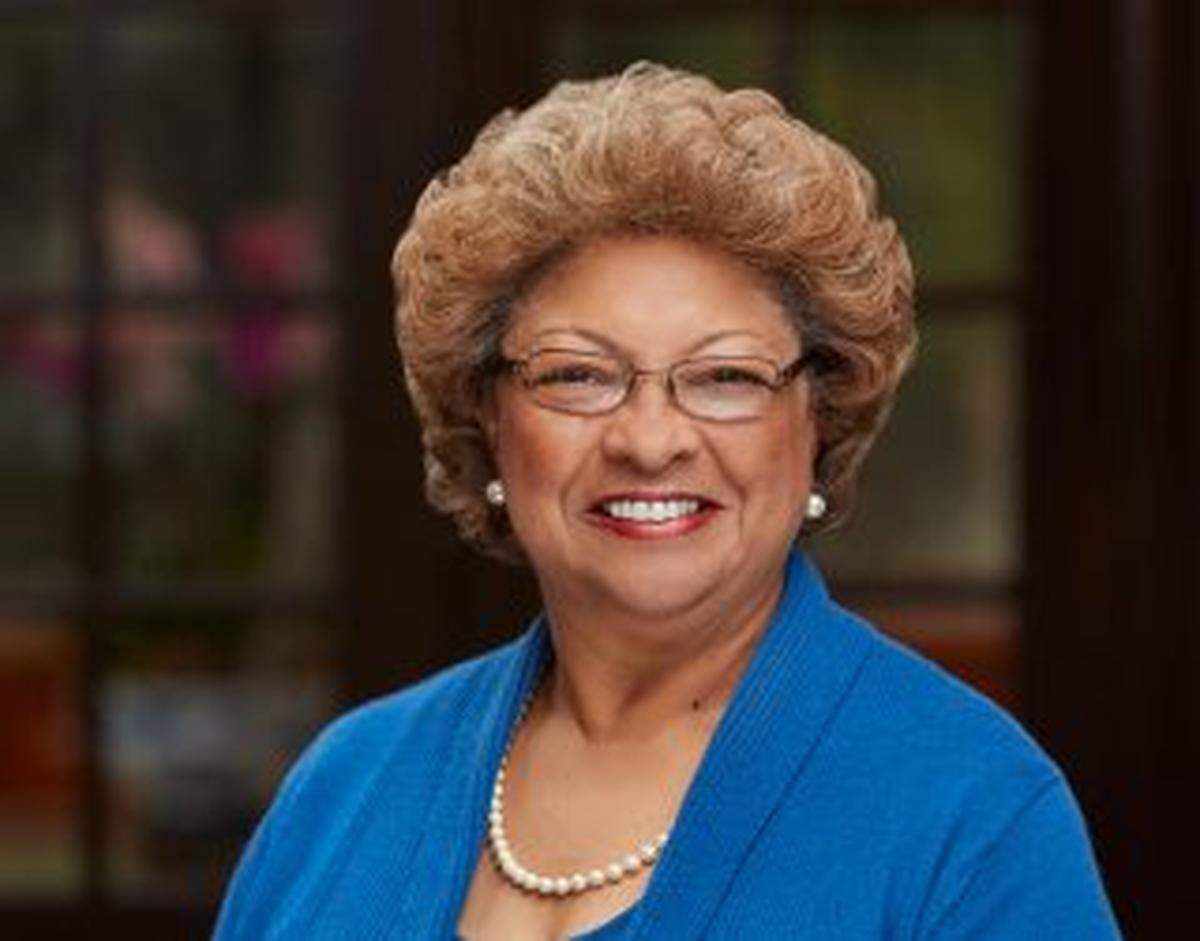
Maria Foxx Spaulding (Public Service): Spaulding worked for state and local government for 40 years. She was executive director of Wake County Human Services before becoming deputy secretary of the N.C. Department of Health and Human Services and the assistant secretary for the former state Department of Natural Resources and Community Development.
In her role with the Department of Resources and Community Development, she played pivotal roles in the development of the North Carolina Zoo and the State Parks system. She also co-founded The Healing Place, a non-profit recovery and rehabilitation facility now known as Healing Transitions.
André Leon Talley (Literature): Talley grew up in Durham and studied French literature at North Carolina Central University before making his name in the fashion world through his work with Women’s Wear Daily and later Vogue magazine. He was the Paris bureau chief of Women’s Wear Daily before eventually becoming the fashion news director and creative director at Vogue. He has written two memoirs, with the most recent one “The Chiffon Trenches: A Memoir” published in 2020. He was the focus of a documentary, “The Gospel According to André,” that was released in 2018.
Timothy Tyson (Literature): Tyson is an author, historian and teacher who is known for writing the books, “The Blood of Emmett Till” and “Blood Done Sign My Name.” Both achieved universal acclaim with the Emmett Till book the winner of the Robert F. Kennedy Book Award, and “Blood Done Sign My Name” the winner of the Southern Book Award for Nonfiction. According to the North Carolina Awards, his writing that explores the intersection of culture, religion and race has provided an “unflinching look at the past” to help make strides to a “more equitable future.”
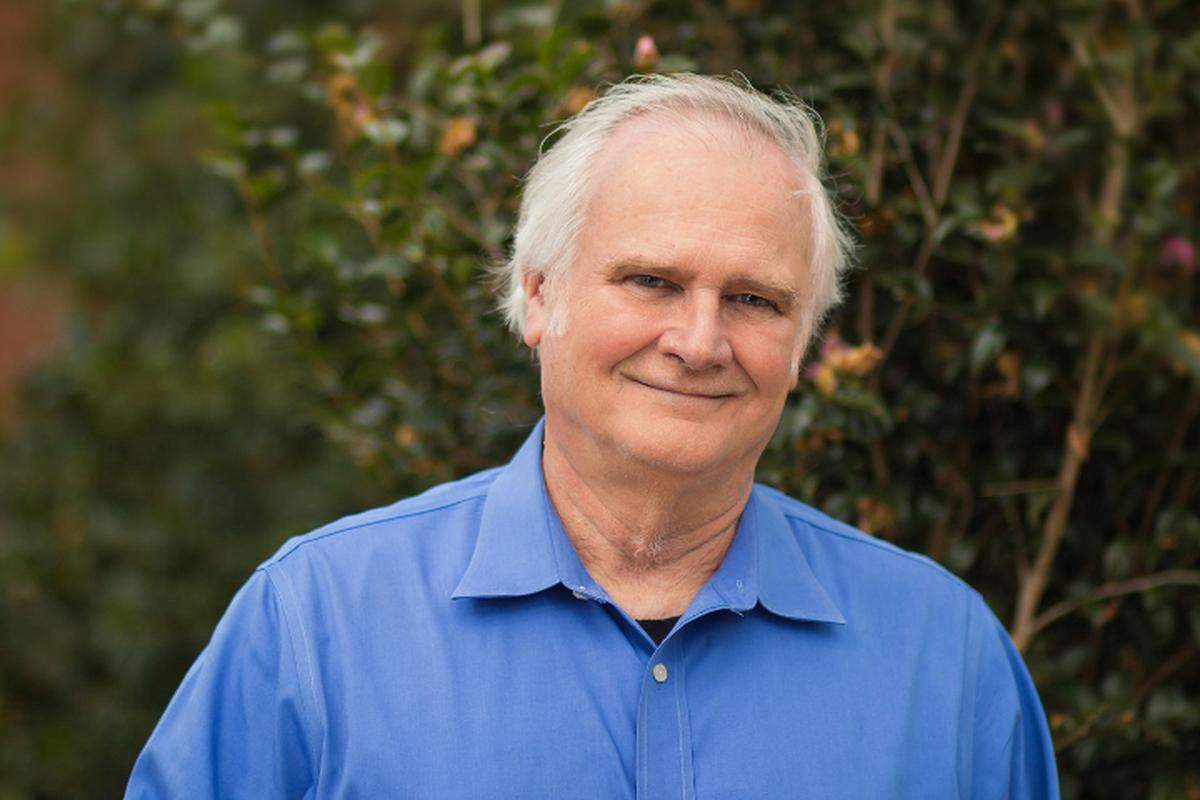
Blake S. Wilson (Science): Wilson is the director and co-creator of the Duke Hearing Center and is an adjunct or consulting professor in three departments at Duke University. He’s known for his role in helping develop the cochlear implant, which has helped millions of people hear again. Wilson began his career at the Research Triangle Institute in 1974, where he explored using electrical stimulation of the auditory nerve to restore hearing to deaf people.
His development of continuous interleaved sampling, a technology used in modern cochlear implants, has made implants “vastly more effective than earlier versions,” making it easier for people who are hard of hearing to converse with others, talk on the phone and perform jobs that require hearing. Wilson currently serves as chair of the Lancet Commission on Hearing Loss, a panel of experts in audiology, neuroscience, public policy and other fields that was convened to address challenges facing people with hearing loss worldwide.
This story was originally published November 18, 2021 at 6:15 AM with the headline "Meet the 9 North Carolinians receiving the state’s highest civilian honor this year."