
Former Orange County farmland will be the largest ‘green burial’ site in North Carolina
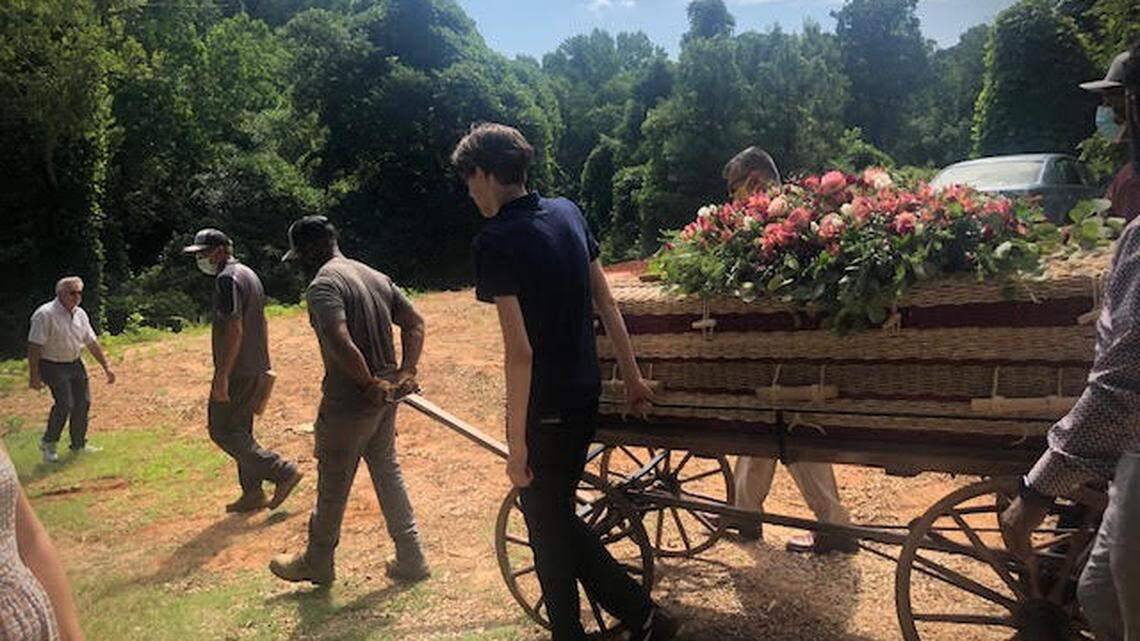
Death in the Triangle is getting an eco-friendly opportunity: The state’s largest conservation “green” burial ground is coming to Orange County this spring.
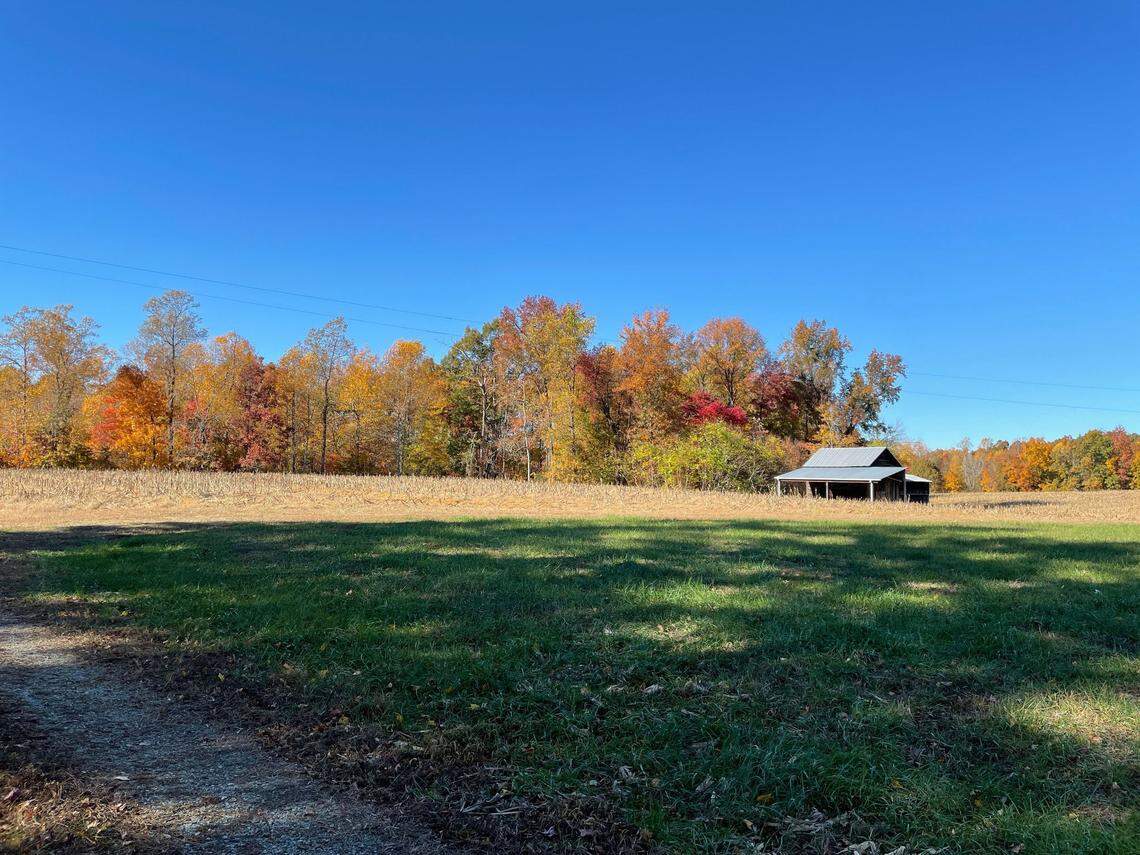
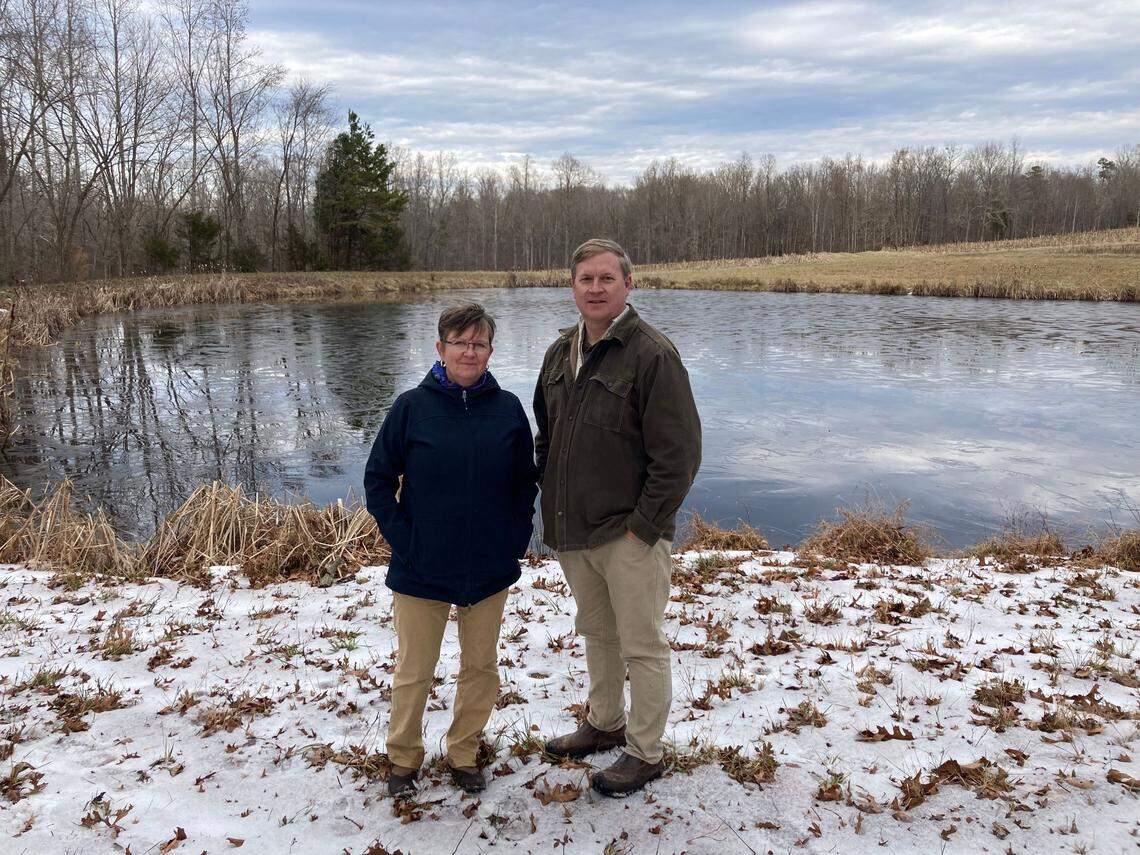
Bluestem comprises 87 acres along Hurdle Mills Road in Cedar Grove — half forest and half formerly agricultural land — and will become a final resting place for those seeking an all-natural burial.
The conservation cemetery is a nonprofit spearheaded by Heidi Hannapel and Jeff Masten, Durham residents and longtime conservation professionals who have spent the last five years bringing their vision to fruition.
Hannapel and Masten raised enough money to purchase the acreage which will be owned by the nonprofit Bluestem Community NC and protected under a conservation easement that is co-held by the Eno River Association and Triangle Land Conservancy. Prior to Bluestem’s inception, the largest conservation green burial ground in the state was Carolina Memorial Sanctuary in Mills River, which measures 11 acres.
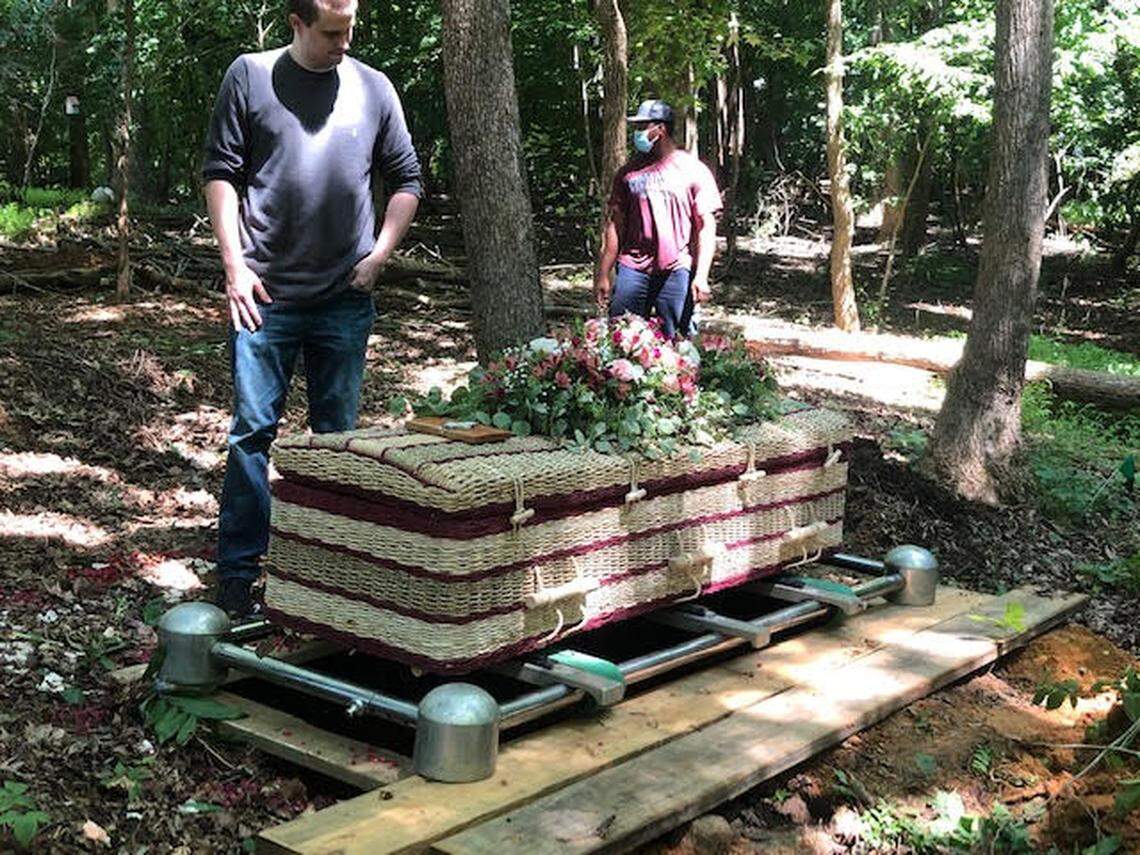
“Green burial” is the term used to classify environmentally friendly interment of a body — no embalming fluids, no caskets made of treated wood or metals, no cement vaults. Bodies are buried in shrouds or in other untreated, biodegradable materials like pine boxes, and put into the soil where everything decomposes naturally — ultimately returning to the Earth.
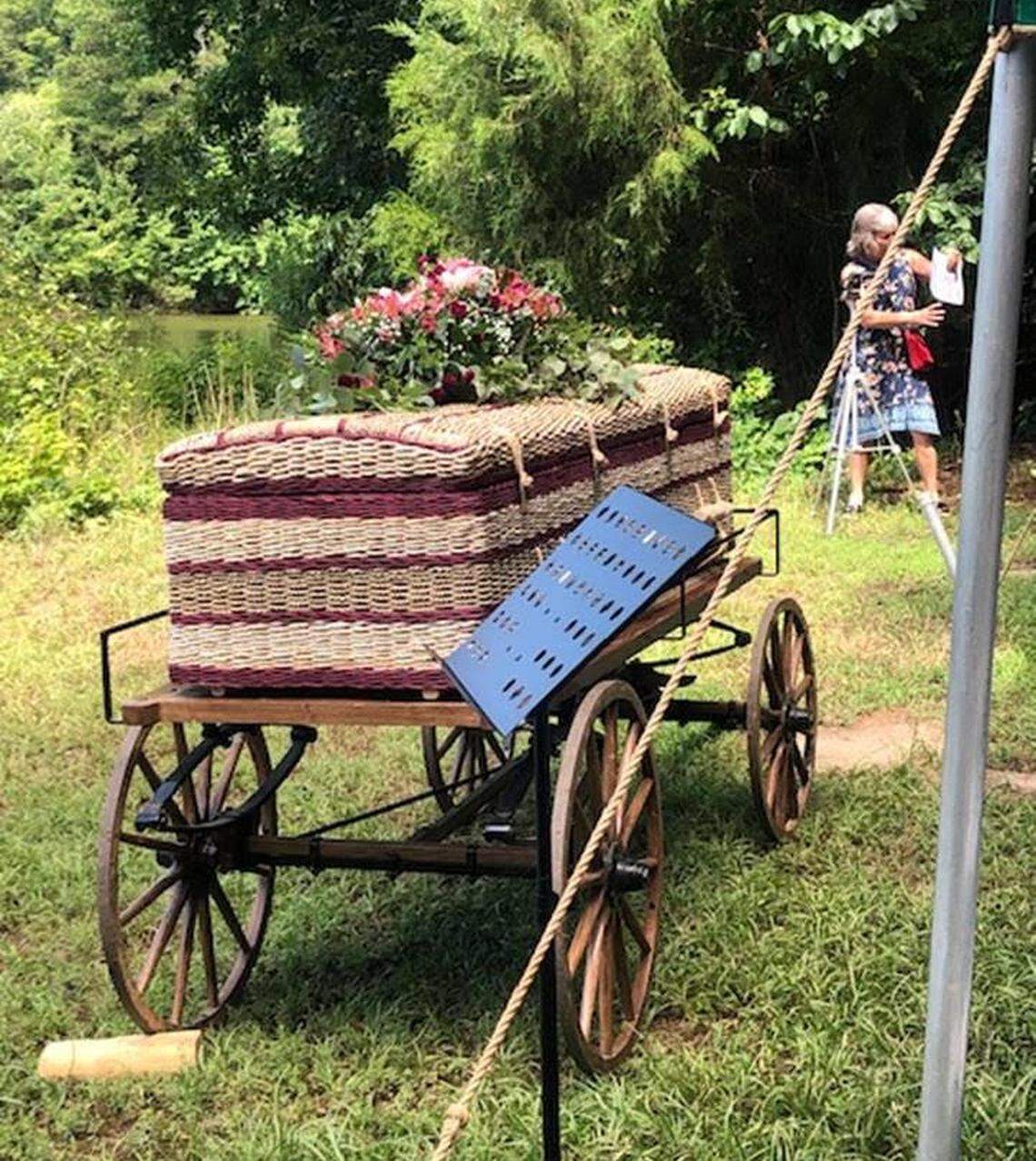
“Conservation green burial” takes the idea a step further — the burials take place in a natural landscape that is dedicated to the protection of regional flora and fauna.
Bluestem will be a natural landscape
“It has a really distinct sense of place,” Hannapel said. Bluestem “is a classic example of a Piedmont landscape — rolling hills, fields, woods.”
“We’ll be recreating grassland habitat with native species and flora like wildflowers; grassland is the most endangered habitat in the Southeast,” Masten added. “We will not only retain the soil’s high fertility and root systems but retain water as a carbon sink, which will preserve fauna like bobwhite quail.”
The Bluestem land was formerly used by up to four different farms that cultivated tobacco, soybeans and corn, and shows evidence of an old historic roadbed and homesteads on a portion of the property.
Hannepel and Masten began working on the idea of Bluestem in 2017. Their efforts started with conversations with potential stakeholders and eventually moved to fundraising, research, site planning and obtaining regulatory approvals.
“This is a huge project that takes a lot of planning,” Hannapel said. “You can’t plop a conservation cemetery just anywhere.”
Bluestem, which will open in phases, has raised $850,000 to purchase the land and wants to raise an additional $300,000 to restore the fields with native grassland species, and ready the cemetery with the necessary materials and equipment for servicing natural burials.
Returning North Carolinians to Their Roots
“Most people think their only option is to be embalmed or to be cremated, and they are just gobsmacked when I tell them they don’t have to be embalmed,” said Anne Weston, founder of the Green Burial Project in North Carolina, a nonprofit that educates communities on green burial options. She is well versed in the requirements set forth by the Green Burial Council, a California-based, international standard-setting organization that certifies green cemeteries.
Embalming, which uses toxic chemicals like formaldehyde, methanol and benzene to preserve a body, did not come into use in the United States until the 1850s. During the Civil War, dead soldiers were embalmed so their bodies could make the long trip back to their families. Eventually, embalming became a cultural norm and a lucrative industry, despite the fact that prior to the Civil War Americans largely carried out what we now call a green burial.
Sara WillIiams, a certified funeral celebrant and green burial consultant for Mebane-based Shrouding Sisters, says the environmental impact of 150 years of embalming and material-heavy burials is adding up.
“Millions of gallons of embalming fluid are going into the soil every year, along with millions of boards of hardwood sourced from rain forests,” she said, adding that since burial options are not part of the usual coffee talk, many people are unaware of the carbon footprint. “We have recycled most of our lives, right? So green burial just makes sense.”
A traditional burial can yield up to 350 kg of carbon dioxide, a key greenhouse gas, while a totally green burial reduces carbon dioxide by 864 kg, according to lifecycle analysts at Franklin Associates.
Green burials cost less than what we think of as traditional
Proponents note that green burial is also more wallet-friendly. A plot at Bluestem will cost around $4,000 (with a lower price for “early adopters”), which is far below what the average funeral and burial tend to cost. Bluestem will also accommodate pet burials.
“The average funeral costs $8,000 in the United States. Embalming is about $700, a vault runs $1,500 to $4,000, and there are metal and hardwood caskets that can cost up to $20,000,” Weston said. “We have more choices than most people realize. A death does not have to equal the cost of a wedding or a house down payment. The thought that some families save for funerals all of their lives, or go into debt, is just tragic.”
Bluestem’s price tag is comparable to other green burial options in large cemeteries; plots at Wake Forest Memorial’s green burial section, Pine Forest, which isn’t a conservation ground, begin at $3,400.
Without the disruption that metals and embalming fluid cause the environment, Bluestem’s management will be able to help the area’s natural landscape thrive — which include meadows, ponds, and a stream that buffers part of the South Hyco Creek, part of the Roanoke River. The grounds will also eventually feature walking trails open to the public.
“We are hoping Bluestem becomes a local and regional place of tradition,” Masten said. Hannapel described Bluestem as “a place that’s inclusive for everyone, regardless of religious practice or background, and renews our commitment to the land and to one another.”
Bluestem comes at a time of growing demand for green burials according to Robin Simonton, director of Oakwood Cemetery in Raleigh, which is currently expanding the historic cemetery’s green burial section with 200 new plots.
“I get five or six emails per week asking about green burial,” Simonton said. “I would say demand has doubled since we opened a green burial section in 2016.” Simonton said the green burial portion already has a wait list, and she expects the additional plots to go quickly.
Simonton says she can only speculate what’s driving the preference for green burial, but notes that it’s coming from various demographics.
“We see boomers who feel more connected to the Earth, and a lot of younger folks who are pre-planning, all of who have different feelings about how we go back to the Earth and how we can take care of our planet,” Simonton said.
“Some people seeking green burial consider themselves ‘purists’ — they won’t choose us because we mow our grass, for example. They want as natural a setting as possible and we aren’t green enough for them — so now I can connect them with Bluestem.”
Opting for a greener eternity
Weston says the standard rule of thumb for a green burial, which is contingent on the property itself, is 300 burials per acre. A standard landscape cemetery in North Carolina will generally hold 1,000 burials per acre. In big municipal areas, people are often buried two-deep, amounting to 2,000 bodies per acre.
With the increased space between plots, which will be designated with individual stone markers, Bluestem has room to create a more harmonious, peaceful gathering place while also promoting preservation efforts.
“We are looking at other opportunities, like native plants that people can invest in to honor their loved ones, as well as tree plantings,” Hannapel said. “When we talk about conservation strategies, [peacefulness] is one as well — creating a place where people can come to for refuge.”
In its efforts to create a community around the land, Bluestem will host discussion groups covering various topics, events and “journey groups,” which will focus on specific approaches to spiritual reflection, bereavement and end of life.
Bluestem has already started taking reservations.
Among those on the waiting list are Jerry Levit and his wife, who are Morrisville residents and avid hikers and gardeners. They learned about green burial in the process of preparing their wills and advanced directives.
“We were pretty horrified at the environmental cost of both conventional burial and cremation, so we looked for a better alternative,” Levit said. The green burial options they found were further away from their home than they liked, and were elated when they discovered that Bluestem would offer an option that’s closer to home.
“Our culture goes to great pains to separate us from the natural world. I think it’s healthy for us to contemplate our death and what happens to our body after we die,” Levit said in an email. “My body nourishing the earth and its creatures just makes sense. It is also a form of justice, as that same earth and those same creatures have nourished me, in one way or another, all my life.”
This story was originally published February 21, 2022 at 8:00 AM with the headline "Former Orange County farmland will be the largest ‘green burial’ site in North Carolina."