NC Supreme Court will decide whether child sex abuse survivors can sue decades after abuse
After six months of limbo, the Supreme Court of North Carolina has agreed to take up a case that could determine the future of dozens of the state’s child sex abuse lawsuits.
A lawsuit filed in 2020 by three former East Gaston High School students demands financial damages from the local board of education that oversaw a predatory wrestling coach. It is one of several lawsuits now on hold due to a legal dispute about the validity of a 2019 law allowing such cases.
In 2020, the state SAFE Child Act opened a two-year window that temporarily suspended the statute of limitations for child sex abuse lawsuits, allowing survivors of any age to sue until the end of 2021. Other states have done the same, some for longer periods.
Many dozens of people did sue, targeting the University of North Carolina School of the Arts, the Roman Catholic Diocese of Charlotte and more NC institutions. But they found themselves stalled last December by defense attorneys who argued that the measure violated their clients’ constitutional rights.
A three-judge panel ruled in December that the revival law essential to the Gaston County lawsuit was unconstitutional.
Parties in all cases filed during the opening of a temporary lookback window are watching for the final outcome in the Gaston County case to gain insights into how their own lawsuits can move forward, plaintiff’s attorney Bobby Jenkins said.
The Gaston case
Associate Supreme Court Justice Sameul Ervin IV signed an order July 5, granting the Gaston County plaintiffs’ petition that the state’s highest court hear their challenge to the December ruling. Jenkins said he expects the court to hold a hearing before making a decision, which could take many months.
While the civil lawsuit is in a holding pattern, a criminal court convicted the Gaston County wrestling coach in 2014. Gary Scott Goins, 54, was found guilty and sentenced to a minimum of 34 years in prison for 17 child molestation charges.
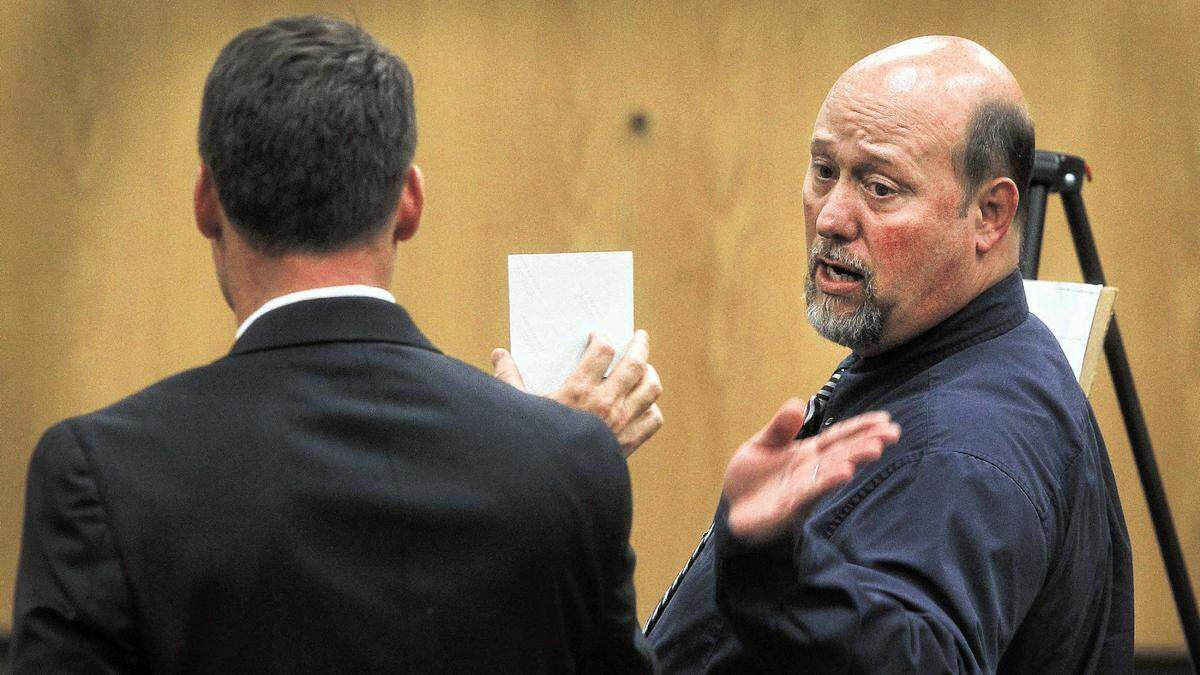
Three victims said in their testimony and complaint that Goins routinely used his position as a wrestling coach to weasel himself into private rooms with them, molesting them and pressuring them to keep quiet.
“We’ve heard various officials were alerted about problems and nothing was done,” Superior Court judge Jesse Caldwell said when sentencing Goins. He also said Goins’ abuse violated trust “in hopes, public schools (that) taxpayers support and in public property.”
In their civil lawsuit, three victims charge the school with ignoring the concerning aspects of Goins’ public-facing relationships with his underage charges. The Charlotte Observer generally doesn’t name sex abuse survivors.
Before their cases can proceed, thes state Supreme Court must decide whether they have a right to file a lawsuit at all so long after the abuse stopped.

The SAFE Child Act
Until 2019, survivors of child sex abuse generally couldn’t file lawsuits over their abuse in North Carolina after they turned 21.
That changed when a bipartisan team of lawmakers, joined by North Carolina Attorney General Josh Stein, added a few sentences to a sweeping bill aimed at curbing child sex abuse in the state.
After some back-and-forth — advocates at one point aimed for a permanent extension of the deadline to the victim’s 50th birthday but it was whittled down to age 28 – both House and Senate joined in a rare unanimous vote to ratify the SAFE Child Act.
In 2020 and 2021, dozens of plaintiffs filed new lawsuits against people they accused of sexually abusing them as children, as well as the institutions that oversaw them.
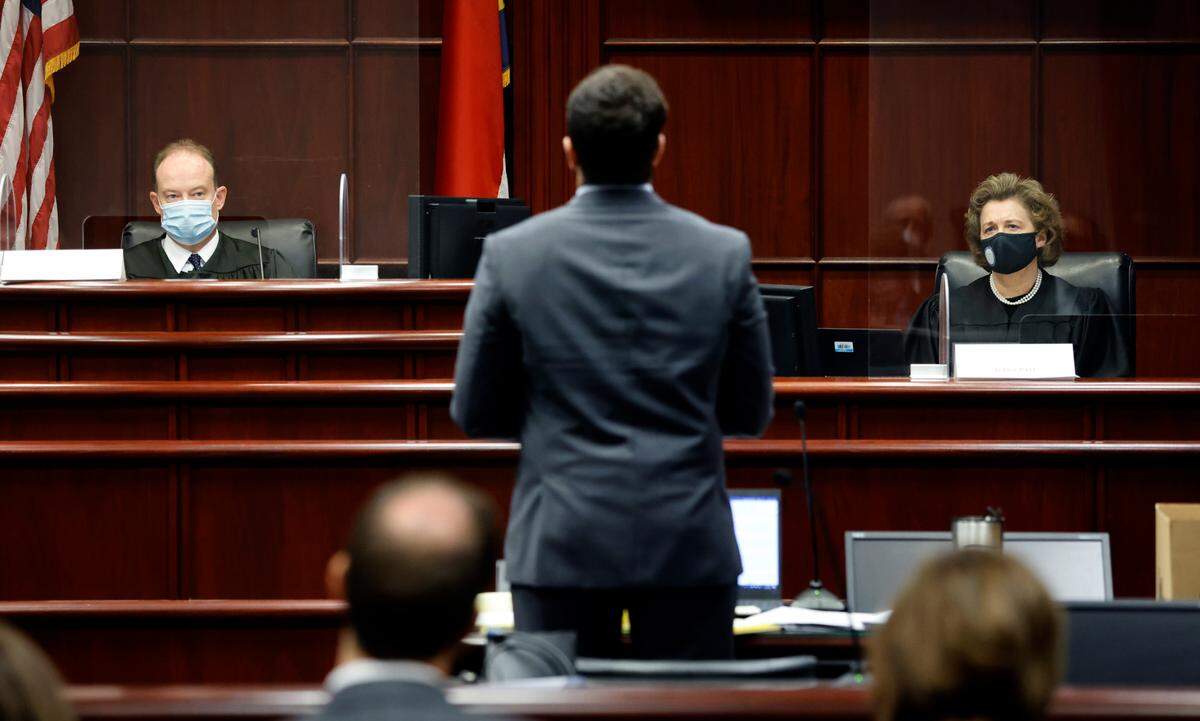
Plaintiffs’ attorneys have pointed to that wave of legislative support when arguing for their clients’ right to sue organizations that otherwise would’ve been safe from such litigation.
But defense attorneys fought back, saying the constitution forbade lawmakers from retroactively eliminating their clients’ rights to a standard statute-of-limitations defense.
In December 2021, with just days left before the two-year lookback window slammed shut, a three-judge panel sided with the defense. And with that, dozens of survivors, abusers, schools and churches were thrown into a holding pattern.
A ruling in one child sexual abuse case filed during the temporary lookback window won’t automatically decide the others. But the state Supreme Court’s ruling in that case could influence others, Jenkins said, as attorneys cite the high court’s decision to judges in their own cases.
But no one expects a ruling soon. Any deliberation from the Supreme Court of North Carolina is bound to take several months, Jenkins said.
Other factors could come into play in these lawsuits.
In May, for example, the North Carolina Court of Appeals ruled that two men who’d sued the Roman Catholic Diocese of Charlotte in 2014 couldn’t use the window to revive their earlier claims, which a judge dismissed dismissed because of the statute of limitations.
The Supreme Court’s decision gave plaintiffs “some hope,” Jenkins said. Plaintiffs “were dealing with (this legal argument) with emotions and feelings that have been brought back to life in a very real way after two years of trying to suppress them.”
This story was originally published July 19, 2022 at 1:47 PM.