How to talk to kids when someone close to them dies by suicide
Note: If you or someone you are concerned about is at risk, contact the National Suicide Prevention Lifeline by texting or dialing 988. Or call 1-800-273-TALK. The National Alliance of Mental Illness North Carolina also offers virtual support groups and programming across the state.
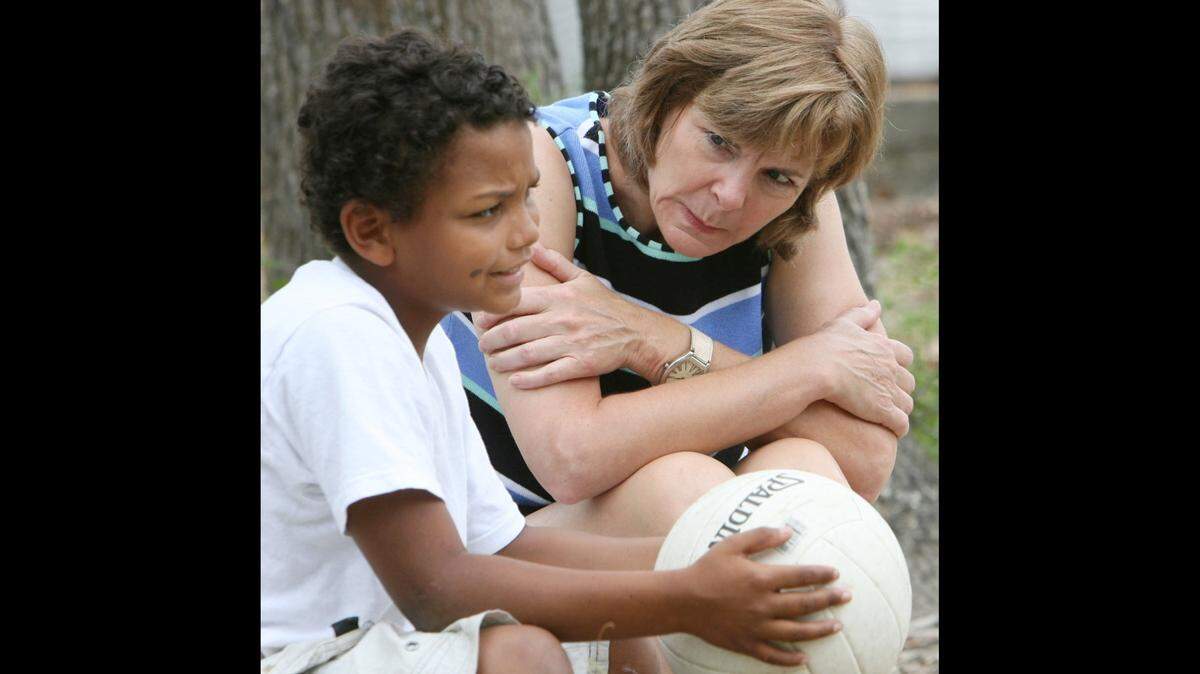
Suicide is a leading cause of death among young people in the U.S., and while it’s a tragedy no one wants to imagine, children may experience someone in their life — such as a family member or classmate — dying by suicide.
In those cases (just as it happens when other traumatic events occur) your child may have questions about suicide. Having conversations about the topic may be uncomfortable or difficult, but the Huntsman Mental Health Institute at the University of Utah says it’s important to do so, especially because it can help “dispel misinformation.”
“Talking about suicide doesn’t put ideas in someone’s head or cause suicide,” the institute says. “Rather, it helps create a safe environment where children can ask questions. Don’t avoid the conversation because it is difficult.”
Institute psychologist Dr. Kristin Francis breaks down the appropriate conversations to have with children about suicide by age group:
▪ Children younger than 7: If a child younger than elementary age asks about suicide, it’s best to make your answers “short and to the point,” Francis told the institute. Talk about suicide like other health conditions, such as heart attacks or cancer, and try telling your child something like, “This person had a disease in their brain and it took over.”
▪ Elementary age children: For children in elementary school, or roughly between ages 7-10, you can add more detail to your answers, Francis told the institute, but it’s best to still keep answers short. “Continue to emphasize that the individual died from an illness and that death is sad,” the institute’s website says. “It’s critical that the parent follow the child’s lead and answer their questions truthfully while being careful not to provide too much information the child may not be ready for.”
▪ Middle schoolers: By this age, your child may have heard people around them talking about depression or other mental illnesses.
“Ask what they have heard or what they know about suicide, what feelings they have about it and what they believe to be true about the causes of suicide,” Francis told the institute. Doing so “allows you to correct misinformation and enter the conversation where they are.” For example, it’s important to tell your child that when a person dies by suicide, it wasn’t the person’s fault.
It’s also a good idea at this age to talk to your child about warning signs for suicide, Francis told the institute. You may decide to ask your child if they have ever thought about suicide, or if their friends have.
“Don’t fear the question, you want your child to trust you and feel safe that they can talk to you about this serious topic,” Francis told the institute.
▪ Teenagers: When your child enters their teenage and high school years, “it is likely they know someone with a mental health condition,” the institute says. While you should continue to have conversations and answer questions about suicide if they come up, you should also encourage your child to recognize the signs of depression or suicide in their friends, and help them know what to do if that happens.
“Ask your teen what they will do if they start having suicidal thoughts, or when they are concerned a friend is having suicidal thoughts,” Francis told the institute. “Let them know depression and other mental health conditions are not from a person being weak or a lack of willpower, but illnesses that can be treated. Make sure they know that help is available and that they can always come and talk to you.”
This story was originally published September 7, 2022 at 3:33 PM with the headline "How to talk to kids when someone close to them dies by suicide."