
Snake season in North Carolina is here. Do you know what to do if you see one?
Now that the weather is warming up, expect to see more snakes. But there is no need to be alarmed, North Carolina wildlife officials say. .
The North Carolina Wildlife Resources Commission warns snakes will start to show up along trails, wooded areas, along roads and yards since its spring.
But if you see one, the agency advises that you don’t get too close.During an encounter, you should give the reptiles room, don’t attempt to harm them and report the sighting depending on the type of snake, NCWRC says.
“Snakes play crucial roles within ecosystems and help control the rodent, slug and insect populations,” Jeff Hall, a reptile conservation biologist with the N.C. Wildlife Resources Commission, said in a statement. “There are many ways to coexist with snakes, which is important because of 38 of North Carolina’s native snake species, ten are listed endangered, threatened or of special concern.”
Wildlife officials say most snakes will leave people alone if they aren’t bothered. If you see a snake in your yard, they say you can gently spray it with a garden hose to get it out. To prevent any from getting close to your homes, some tips include cleaning up clutter, keep your lawn mowed, close gaps and holes in your siding and foundation, and seal openings under doors, windows and around water pipes.
Snakes native to NC
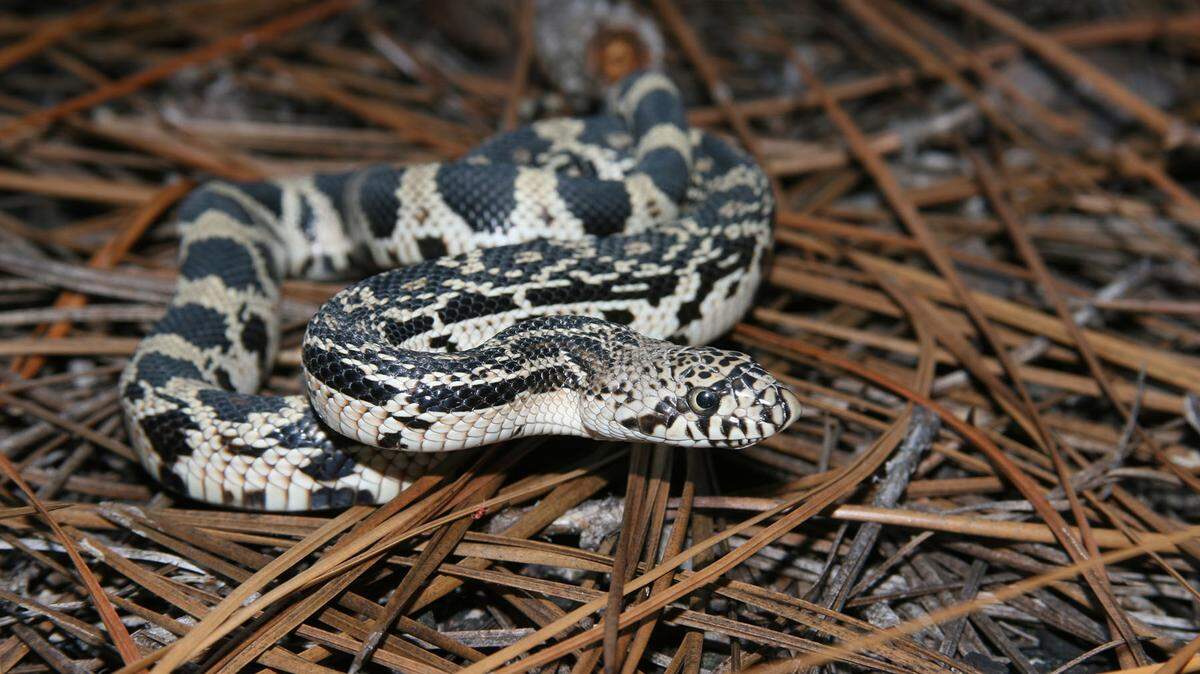
There are several snakes that you might see, including a timber rattlesnake, the pigmy rattlesnake, the Eastern diamondback rattlesnake, and the Northern pine snake. The rattlesnakes are venomous, but the pine snake is not.
NC wildlife biologists are working to learn more about the distribution of the pine snake and are asking anyone who sees one to report it. The snake, which can get up to 7.5 feet, is often in open areas within pine oak forests in the Sandhills and along the southern Coastal Plain.
“Public assistance in recording and documenting the pine snake will be a huge help, because it’s difficult to conserve a species when we don’t know all the places it occurs,” Mike Martin, a state wildlife technician, said.
How to report a snake sighting
If you see one of these snakes, you can report sightings through the HerpMapper mobile app available for download in the Apple App Store, Google Play, or Windows Store. You can also report a snake sighting to pinesnake@ncwildlife.org for Northern pine snakes and to rattlesnake@ncwildlife.org for rattlesnakes along with photos and when and where you saw the animal.
For help with identifying snake species visit HerpsofNC.org. You can also call the NC Wildlife Helpline at 866-318-2401 if you have any questions.
This story was originally published May 4, 2023 at 6:00 AM.
.jpg)