A cow in SC tested positive for mad cow disease. What is the possible threat to NC?
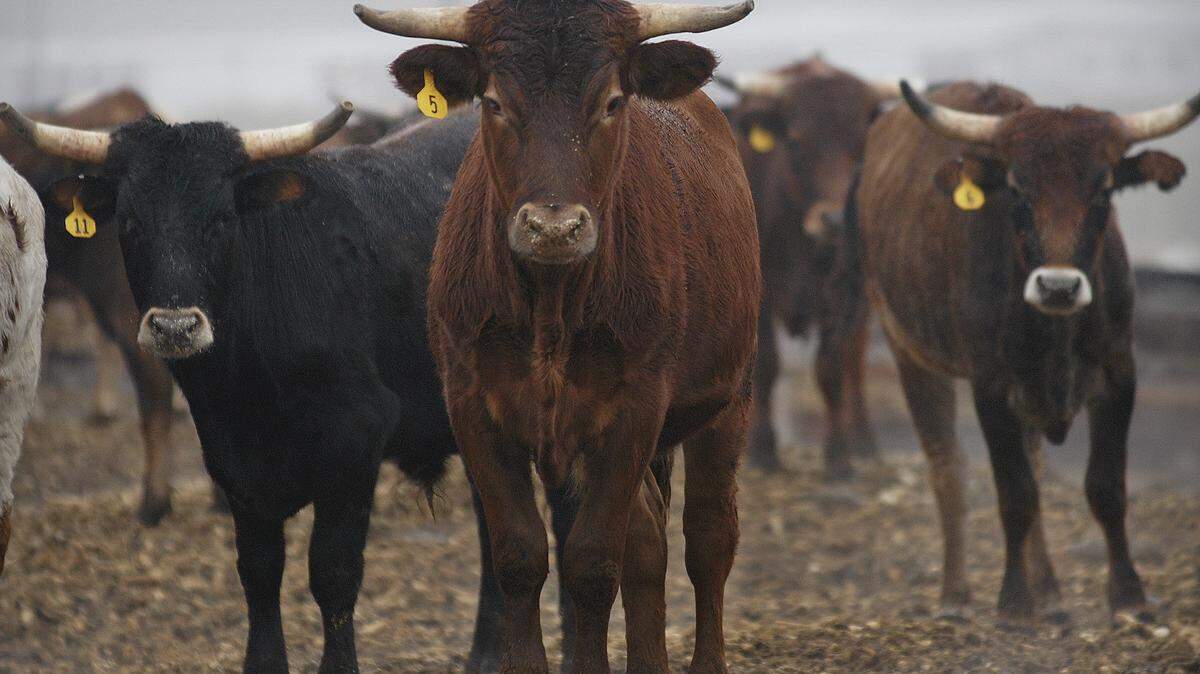
A cow at a South Carolina beef processing facility recently tested positive for atypical bovine spongiform encephalopathy, commonly referred to as mad cow disease.
It is the seventh case of mad cow disease ever recorded in the United States, and the first in South Carolina, according to a statement released by the U.S. Department of Agriculture on Friday.
The animal, which came from a herd in Tennessee, displayed symptoms of the disease and was quickly euthanized shortly after arriving at the facility, according to the USDA.
The USDA stated the cow “never entered slaughter channels and at no time presented a risk to the food supply or to human health in the United States,” meaning North Carolina residents are not at risk of contracting the disease at this time.
What is mad cow disease?
Mad cow disease is a neurological disease of cows that gets worse over time, according to the U.S. Food and Drug Administration.
Scientists believe the disease is caused by a protein called prion.
Can humans become infected with mad cow disease?
Humans can contract a rare and fatal form of mad cow disease called variant Creutzfeldt-Jakob disease (vCJD) by eating tainted beef products, according to the FDA.
According to Mayo Clinic, symptoms of vCJD in people include:
Personality changes
Memory loss
Impaired thinking
Blurry vision or blindness
Insomnia
Problems with coordination
Trouble speaking
Trouble swallowing
Sudden, jerky movements
As of 2019, there were 232 known cases of vCJD around the world, which were all fatal.
However, vCJD is not contagious, and studies have shown that people cannot get mad cow disease from drinking milk or eating dairy products that came from a sick cow, according to the FDA.
Is mad cow disease a threat to North Carolina?
“For reasons that are not completely understood, the normal prion protein changes into an abnormal prion protein that is harmful,” the FDA says. “The body of a sick cow does not even know the abnormal prion is there. Without knowing it is there, the cow’s body cannot fight off the disease.”
Is there a test for mad cow disease?
There is no test to detect mad cow disease in live animals, but 25,000 cows are tested annually “by taking samples from the brain of an animal and testing to see if the infectious agent – the abnormal form of the prion protein – is present,” the USDA says.
The USDA tests animals that are most likely to have the disease, such as those with central nervous system issues or died of unknown causes.
The department estimates that, for every 42 million adult cattle, between four and seven are carrying the disease.
How does mad cow disease spread?
Cows can contract mad cow disease by eating feed contaminated with parts that came from another cow that was infected, according to the FDA.
If a cow gets the disease, it usually means it ate contaminated feed during the first year of its life.
What are the symptoms of mad cow disease?
Incoordination is a common sign of mad cow disease, according to the FDA.
Sick cows may also act nervous or violent, which is where the name “mad cow disease” comes from, the FDA says.
It typically takes four to six years for symptoms to develop in cows from the time of infection.
This story was originally published May 24, 2023 at 12:06 PM.