
What do North Carolina crime victims need but don’t receive? Lots, researchers say.
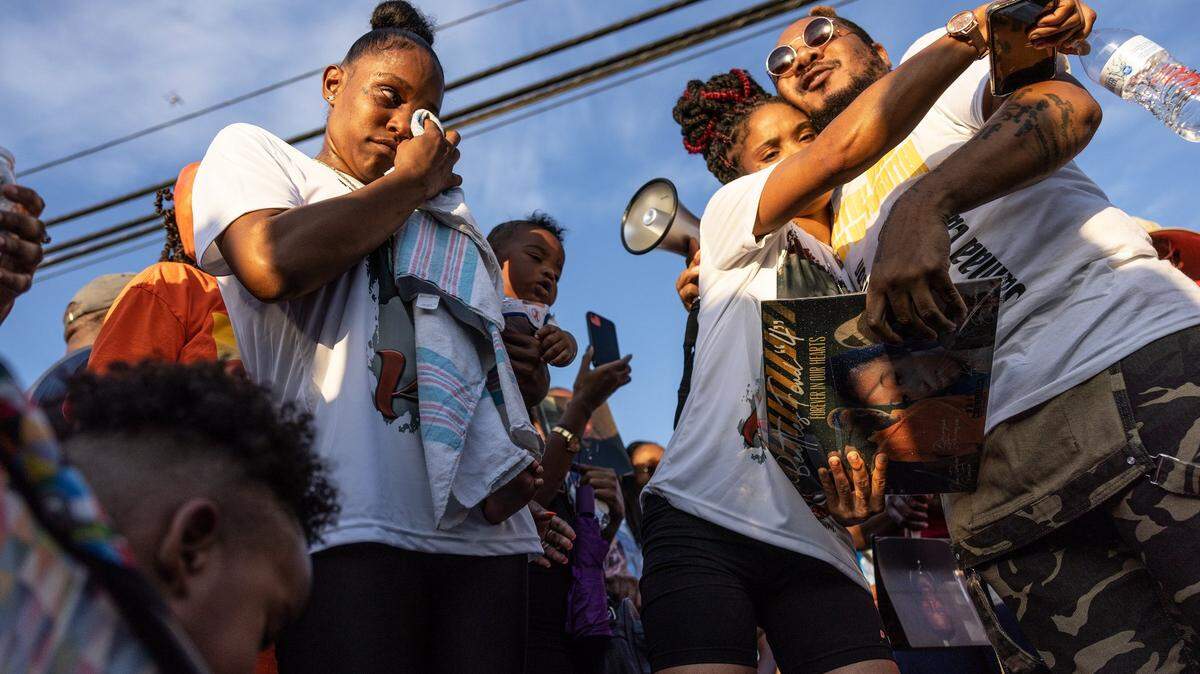
Housing, transportation and financial assistance are lacking for crime victims in North Carolina, researchers say.
Few organizations provide material help to victims despite those troubles, UNC professor Cynthia Fraga Rizo said. And those that do often don’t know about other services that they can refer victims to, she said.
“If professionals are not recognizing or aware of all the services available in the community, then it’s very likely that victims of crime are also unaware of the different services that can help address their needs,” she said.
Those were takeaways when Rizo and others shared findings and recommendations to the Governor’s Crime Commission on Sept. 7.
In June the commission approved $43.5 million in federal funding across more than 200 criminal justice initiatives. The funding will “support services for victims of crime and the rehabilitation of juvenile offenders, as well as law enforcement initiatives including training facilities, accreditation, mental health intervention, and the acquisition of body armor, technology and non-lethal weapons,” according to a news release.
The researchers — an interdisciplinary team advised by people from across the state — have been putting together a victim needs assessment for the commission. Their assessment has looked at government agencies, non-profit organizations, informal support networks and grassroots organizations.
Those have included local LGBTQ+ centers, faith-based organizations, victim services arms of law enforcement agencies and crisis hotlines, one researcher told The Charlotte Observer.
Rural North Carolina has needs
People living in rural North Carolina often have to travel farther for services when they have been victimized, and are less likely to receive needed services, the researchers said.
“In Eastern North Carolina there’ll be one service organization for a specific type of crime that serves multiple counties,” Deena Fulton, a consultant involved in the victim needs assessment, said.
“Sometimes that can be very, very far for people to travel, and if they don’t have the hours off of work or don’t have transportation, that can be really hard to access services,” she said.
Other findings included:
There is a lack of timely and high-quality language interpretation, translated material and materials in braille, inhibiting access to services.
Crime victim services are inadequate for people with psychiatric disabilities; people who are deaf, deaf-blind or hard-of-hearing. That is true for transgender and nonbinary people too.
Victims often do not trust law enforcement and service providers.
Time to bridge the gap
The researchers are still finalizing a report, but many of their recommendations were intended to help bridge a gap between victims and people who are supposed to help them.
The state should work to increase community trust in service providers and law enforcement, they said. It should also build on existing resources that offer long-term support, promote and provide better representation and support cross-training between traditional crime victim service providers and culturally specific organizations, they said.
Researchers conducted a survey of crime victim service organizations and law enforcement, interviewed advocates and service providers and assessed crime victim services’ and culturally specific organizations’ websites, according to their presentation.
The Governor’s Crime Commission is the chief advisory body to Governor Roy Cooper and Secretary of Public Safety Eddie Buffaloe on crime and justice issues.
It funded the research into victims’ needs “with a goal of understanding how best to allocate federal funds earmarked for victim services,” Department of Public Safety spokesperson Charlotte Woolard said.
This story was originally published September 11, 2023 at 5:30 AM.