NC isolates incarcerated youth in locked rooms. Is it solitary confinement?
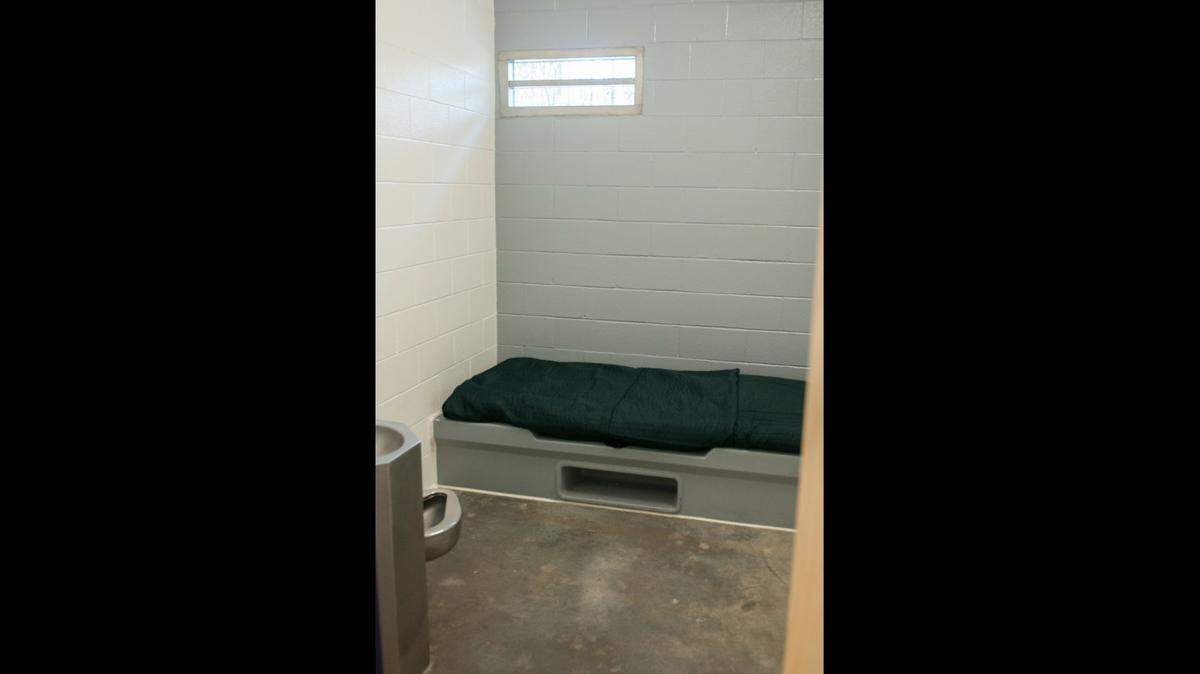
North Carolina juvenile justice officials officially stopped putting minors in solitary confinement years ago.
But they’re in fact creating solitary confinement conditions by locking minors up in rooms for days and weeks to cope with a severe staffing shortage and other issues, juvenile law experts and others say.
Imposing this isolation by locking kids inside rooms within 10 juvenile state justice facilities reached its peak during the height of the pandemic.
But the practice is still occurring. And that’s severely risky for minors, critics say.
Juvenile Justice and Delinquency Prevention officials provided limited statistics on the confinements, including a breakdown of their frequency over the past three years and average lengths of time youths were locked up so far in 2023.
Since 2021, state juvenile justice staff have recorded 7,525 admissions to their facilities. They used administrative room confinements 2,097 times over that period due to staffing shortages and other problems at sites.
So far this year alone, this isolation was imposed 274 times, with periods of confinement lasting about 60 hours or 2.5 days on average each time this year, state data shows.
Youth in North Carolina juvenile detention facilities are also confined as a behavior modification tool or to prevent them from harming themselves or others, according to the juvenile justice division.
Since 2021, officials have used that type of confinement 2,442 times, with periods averaging 11 hours this year.
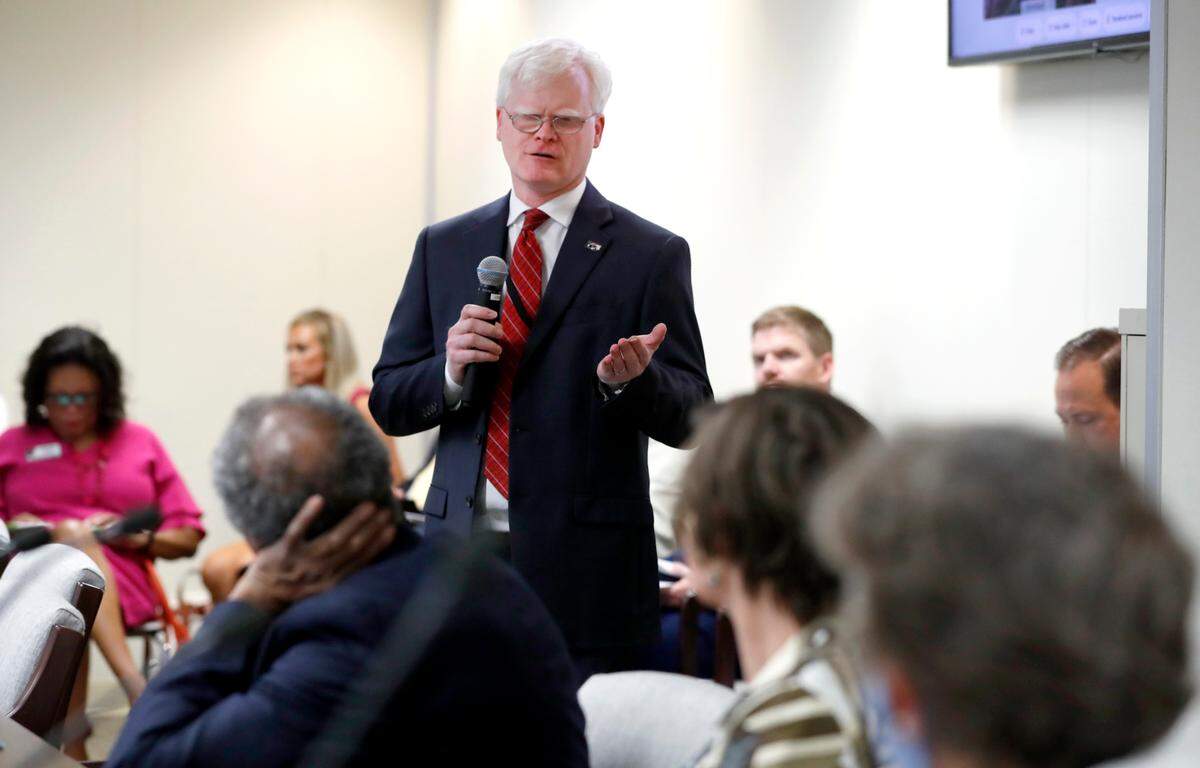
William Lassiter, deputy secretary of the state juvenile justice division, said his goal is to keep youth in detention facilities engaged throughout the day with education and rehabilitative services. But his division can’t always meet it amid a severe staffing shortage in facilities that are over capacity nearly every day.
“It’s not something that we want to do. It’s not our philosophical approach to how we want to treat kids.” Lassiter said.
Lassiter disagrees, however, that the confinements are solitary confinement, which he defined as putting youth in isolated areas as punishment.
All confinements have dropped by half since 2021 to about 1,000 this year, Lassiter added. And he expects them to become less common after a recent pay improvement for juvenile justice direct-care staff and with the opening of more detention facilities, he said.
Worksheets slipped under doors
One mother of a teen housed at a North Carolina detention facility with 35 beds said this week that her son has been locked in his 7- by 9-foot room for more than 30 days — except to take showers, make phone calls and some other inconsistent activities, such as a visit from a family member.
The teen told his mother that rather than attending school, staff have slipped worksheets under his door. Teachers occasionally work with him and others but talk with them through small windows on their locked doors, she said he told her.
Sometimes the teen puts a mattress on the floor, so he can yell to other youth under the crack in the door in order to talk with someone, his mother said.
The News & Observer isn’t naming the teen’s location, the teen or the mother due to the mother’s concerns about potential retribution to her child.
But state spokesperson Matthew Debnam confirmed that it’s possible that a minor was kept in isolation that long this year because the facility where he is confined has been among the hardest hit by the staffing crisis, with only 33% of the positions filled.
Male and female youths ages 10 to 20 can be ordered to the detention facilities but most of the 2,500 admissions last year were 13- to 17-years old and male, according to state data.
Most of the confined minors are waiting for criminal cases to work their way through the juvenile courts and haven’t been convicted of criminal behavior, while others are awaiting placements in mental health or other facilities, Lassiter said.
The mother of the teen said he described his room as including a toilet and sink, and a slim window near the ceiling. There’s also a window on its door that can be covered with a flap.
Experts, advocates are concerned
Heather Johnson, executive director of the Council for Children’s Rights in Charlotte, said she and her staff are hearing similar stories about youth being kept in their rooms, which she equates with cells, from days to weeks in a state facility in Cabarrus County.
“They have had difficulty coming out of their rooms to receive showers on a consistent basis,” she said. Nor are they attending classes or consistently receiving education, said Johnson, whose nonprofit agency represents youth from Mecklenburg County in criminal juvenile court..
“There’s an overall very overwhelming feeling by the youth of isolation and depression,” she said. “And a fear that they don’t even have frequent contact with staff.”
Tyler Whittenberg, deputy director of the national civil rights organizations Advancement Project’s Opportunity to Learn Program, said he was heartbroken to hear about youth being locked up alone.
“Your inability to hire somebody should not then lead to the physical, mental and emotional traumatization of youth,” said Whittenberg, a Durham-based attorney and former chief counsel for Justice System Reform at Southern Coalition for Social Justice..
Whittenberg said he was concerned about the impact the practice had on Black youth, who account for the majority of youth detained at the state facilities.
Out of 2,591 admissions to state youth detention centers in 2022, 67% were Black minors, according to state data.
Strain after strain for juvenile justice
The juvenile justice division wasn’t able to immediately provide confinement information before 2019. But Lassiter said layers of challenges led to youth being locked in their rooms during the pandemic.
In 2019, the division was absorbing changes to state law that required 16- and 17-year-olds, including those awaiting trial for serious felonies in adult court, to be detained in juvenile facilities instead of county jails for adults.
For that reason and others, detention admissions increased 17% from 2020 to 2022, to 2,591. And the average time minors spent in detention increased 32%, according to a Juvenile Justice’s annual report. Those numbers have continued to increase this year, officials said.
The COVID-19 pandemic swept in more challenges, as multiple agencies dealing with youth in crisis shut down, went virtual and experienced staffing shortages. Juvenile detention became a catch all for youth in crisis, Lassiter said.
In addition, the prevalence of juvenile firearm crimes contributed to increased detention admissions.
As the numbers of youth strained the system and the pandemic set in, the division was losing staff at a brisk rate, according to Lassiter and juvenile justice data.
In 2022 alone, the staff vacancy rate climbed from 30% in January to 45% in December.
The staffing shortage has created safety concerns for youth and staff, which is one reasons for imposing administrative confinements, Lassiter said.
Juvenile Justice and Department of Public Safety leadership requested more funding from Gov. Roy Cooper and the General Assembly, Debnam, the division spokesman, wrote in an email. It was the priority in this year’s budget request, he said.
Juvenile Justice also hosted dozens of recruiting events, assigned others such as court counselors to detention facilities, and offered incentive bonuses.
The state budget legislators adopted in October included a new pay plan for juvenile justice employees and an influx of applications followed, according to emails and interviews from juvenile justice.
In addition, the division has or is opening three new facilities with a total of 108 new beds when fully staffed. A 24-bed detention center opened in Hoffman, which is southwest of Smithfield, in October and is building to capacity. Centers in Rockingham and Perquimans County are scheduled to open in March with a total of 84 beds.
While the new beds will help, the better and more productive solution is more community resources that will help prevent youth from being detained, Lassiter and others said.
The dangers of isolation
Experts who work with or on behalf of youths in the juvenile justice system say they understand the challenges that North Carolina officials are facing.
Still, they are appalled that vulnerable youth, many of whom have mental health issues, could be paying a price that could have long term effects on themselves and the communities they return to after they are released, they say.
The average daily juvenile detention population in state facilities last year ranged from 285 to 334 with youth entering detention facilities 2,600 times during 2022, according to the state data.
Experts said they don’t distinguish between the two confinements. Being in isolation for administrative reasons can result in actions that will get youth isolated for behavioral reasons, they said.
“Destruction of property, violent outbursts, self harm, you name it,” said Corye Dunn, director of public policy for Disability Rights North Carolina. “Basically everything that could land you in solitary is more likely to happen if you’re in solitary.”
Congress passed legislation in 2018 that limited room confinement for juveniles in federal facilities to juveniles to those posing an immediate risk to themselves or others. If youth aren’t calm enough to leave after three hours, then steps should be taken to use another intervention that doesn’t involve isolation, according to the act.
Confining juveniles in their rooms was a standard response to addressing staffing and operational challenges to prevent the spread of COVID amid the height of pandemic, said Michael Dempsey, executive director of the national Council of Juvenile Justice Administrators.
But most jurisdictions have gone back to normal operations, said Dempsey whose nonprofit’s members are juvenile justice administrators.
That’s a policy that serves not just the youth in confinement, he said. A lack of meaningful programs and activities can lead to more incidents of violence, he said.
“Anytime that you take those activities away from them, idleness sets in and you start to get more incidents of violence occurring within the facility as a result of that,” he said.
North Carolina could be violating these youths’ federal constitutional Rights, said Jennifer Lutz, a senior staff attorney with the Washington D.C. based Center for Children’s Law and Policy.
Rulings and agreements in several federal cases have restricted putting kids in isolation for long lengths of time. The practices violate rights that protect them from cruel and unusual punishment and guarantee due process, Lutz said.
Virginia Bridges covers criminal justice in the Triangle and across North Carolina for The News & Observer. Her work is produced with financial support from the nonprofit The Just Trust. The N&O maintains full editorial control of its journalism.
This story was originally published December 18, 2023 at 6:00 AM with the headline "NC isolates incarcerated youth in locked rooms. Is it solitary confinement?."