Sports betting could lead to gambling addiction. The signs + where to get help in NC
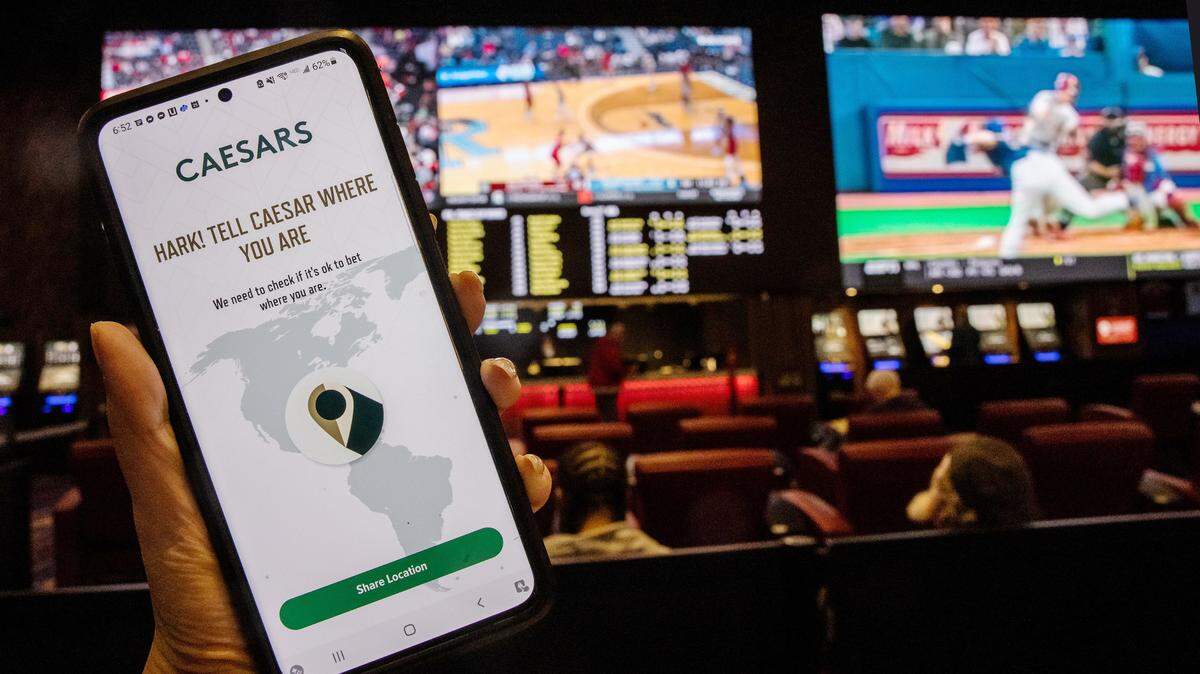
Legal sports betting begins March 11 in North Carolina, and that could spell trouble for those prone to addictive behaviors.
Experts say there has been a significant increase in young men between the ages of 25-35 seeking help for gambling addiction in states where sports betting is legal.
In January 2023, when sports betting became legal in Ohio, the state saw its addiction helpline call volumes triple, Stateline reported.
Here’s what to know about how sports betting can turn into an addiction, some signs to look out for and where to get help for gambling addiction in North Carolina.
How common is sports betting in the US?
Roughly 20% of those polled said they had bet money on sports in some way in the last year, according to a Pew Research Center survey in 2022.
According to the results from a 2022 Harris Poll, 71% of sports gamblers bet on sports at least once a week, and one in five bet on sports at least once a day.
The poll found that the most common reasons people bet on sports were:
To make money
To make watching a game more exciting
Because their friends were doing it
Nearly 90% of sports gamblers agreed that watching sports was more enjoyable when they placed bets on the outcome of the game, according to the poll.
How can sports betting turn into an addiction?
According to the Gateway Foundation, a nonprofit treatment provider that specializes in addiction, “gambling addiction is an impulse-control disorder where you can’t regulate your gambling habits even if they lead to negative consequences for yourself or your loved ones.”
Sports betting usually starts as a form as a form of entertainment or as a way to make fast money, but can devolve into a destructive habit for people prone to addictive behaviors, the foundation says.
Here are some common myths about sports betting that those who are at risk of developing an addiction often believe, according to the foundation:
Gambling is an easy way to make money.
You have to wager every day to become a gambling addict.
You are smart enough to beat the odds.
Gambling problems are only for those who are weak-willed or unintelligent.
You need sports betting to treat stress or depressed feelings.
The more you spend gambling, the more you’re going to win.
“If you hold any of these inaccurate attitudes toward sports betting, you should avoid betting on any sporting event,” the foundation says.
What are the signs of sports betting addiction?
According to Algamus Recovery Services, an addiction treatment center based in Arizona, the warning signs of sports betting addiction include:
Secretive behavior and lying about gambling habits
Neglecting responsibilities, or prioritizing betting over other responsibilities
Mood swings, irritability and anger due to being unable to gamble
Feelings of guilt or shame associated with placing bets
Borrowing money, selling possession of stealing to finance bets
Increased frequency and larger sums on money being wagered
Where to get help for sports betting addiction in NC
If you or someone you know may have a sports betting problem, you can call the North Carolina Problem Gambling Helpline at 877-718-5543, or the Substance Abuse and Mental Health Service Administration National Helpline at 1-800-662-4357.
You can also visit alltreatment.com for a list of gambling addiction treatment centers in the state.
This story was originally published March 11, 2024 at 11:03 AM.