The northern lights could be visible in NC this weekend. Here’s when to look for them
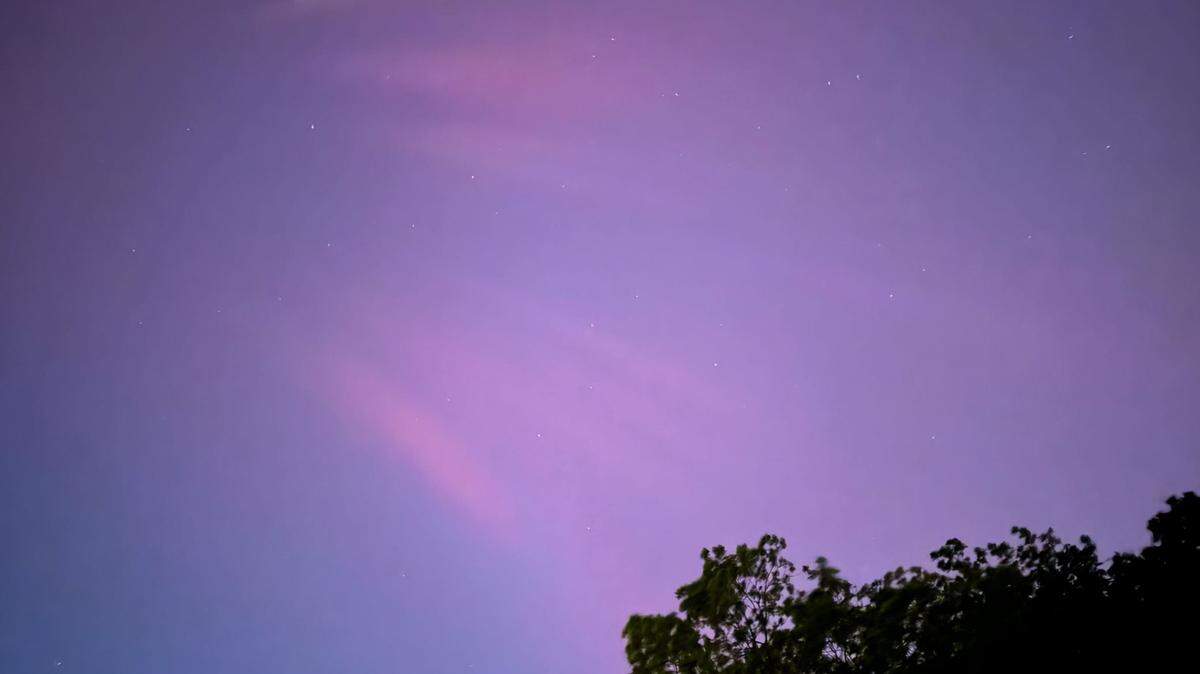
The northern lights dazzled much of the southeastern U.S. in May as the colors danced through the night sky. Now, there may be another opportunity to see them in North Carolina.
The intense lights in the forecast will be the result of strong geomagnetic activity from solar flares, according to EarthSky.org. The lead flare producers of the period are active regions AR3842 and AR3844.
“An active region (AR) is a temporary area on the sun with a strong magnetic field that can produce solar flares and other dramatic events,” EarthSky.org says.
Solar flares are often come with coronal mass ejections — large eruptions of plasma and magnetic field from the Sun’s corona into space — that cause auroras.
Here’s what you need to know.
Where will the northern lights be visible in NC?
As of Friday morning, the University of Alaska at Fairbanks’ online forecasting tool said the strongest geomagnetic activity — which means the best chance for seeing the northern lights — coming up is tonight, Saturday and Sunday, Oct. 4 through 6, when there will be “high” activity.
However, according to forecasts from the National Oceanic and Atmospheric Administration for Friday and Saturday, the northern lights will only be visible as far south as Iowa.
But a “severe” geomagnetic storm, ranked 4 out of 5 on the severity scale, could make the solar storm visible as far south as Alabama, the Washington Post reported. That means all North Carolinians would be able to see the light show.
What’s the best way to see the northern lights?
▪ The aurora doesn’t need to be directly overhead; it can be seen from more than 600 miles away if conditions are right.
▪ Get away from city light pollution if possible, and away from buildings that block your view of the horizon.
▪ The lights can’t be seen in the daytime. A few hours after sunset, look due north and watch for shades of green, pink, red, yellow, blue and violet. Scientists say the colors are often most intense around midnight.
▪ Sometimes a camera lens will pick up aurora even when the naked eye can’t perceive the colors.
This story was originally published October 4, 2024 at 12:39 PM.