Thousands in Western NC still without water after Helene. When will service be restored?
Extensive work remains to restore clean water access for North Carolina communities hit hard by Helene two weeks ago.
Repairs are underway across Western North Carolina, including the main city of Asheville’s facilities, which serve more than 156,000 people in Buncombe and Henderson counties, according to the system’s 2023 water quality report. Crews are trying to finish work that would normally take months or years on a much shorter timeline, Asheville Assistant City Manager Ben Woody said Wednesday.
At other public water systems throughout Western North Carolina, a variety of issues are stopping water restoration, according to state officials.
Even people with private wells need to take precautions to avoid health risks after Helene’s flooding, officials say.
How many people in Western NC are without water?
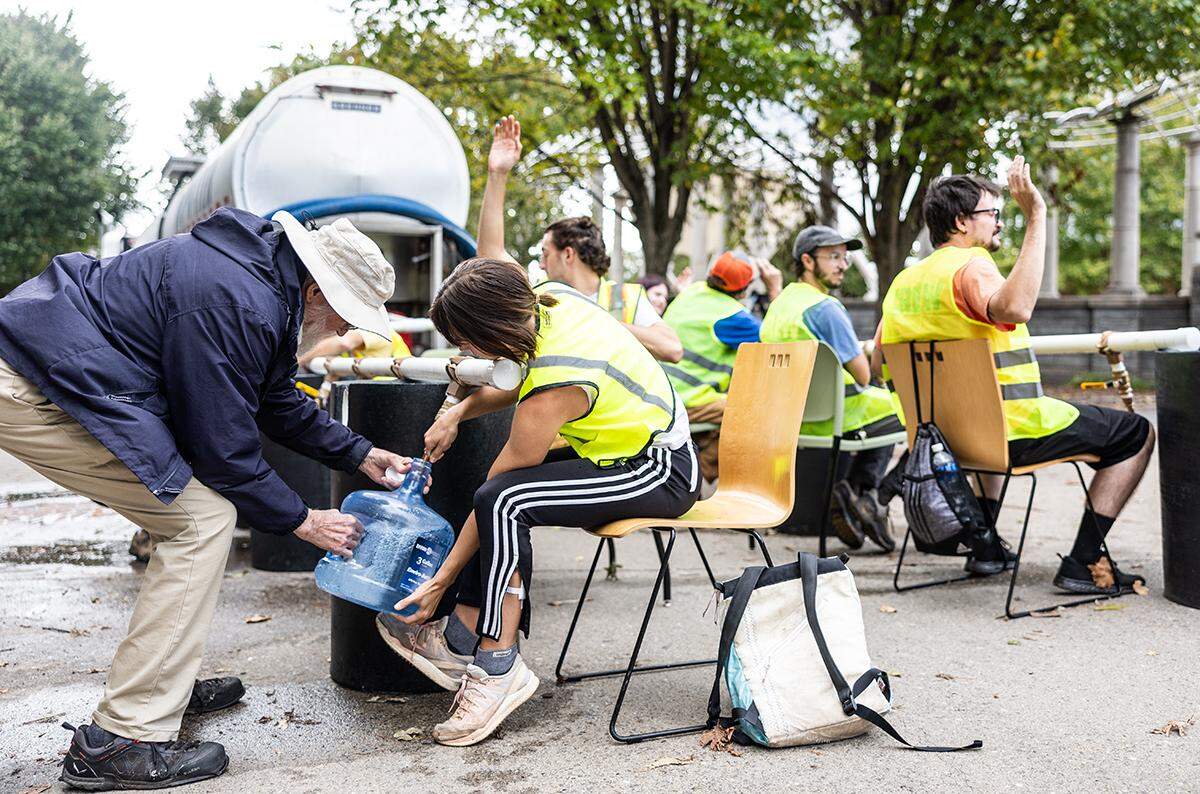
About 3.7% of the region’s public water systems, serving 24,330 people, were closed and not producing water as of Wednesday morning, according to the the North Carolina Department of Environmental Quality’s tracker. An additional seven systems serving 238,967 people, including the City of Asheville’s system, were down or limited due to water pressure problems.
Another eight systems had no power, and 48 systems serving tens of thousands were either running on back-up power or operated on stored water only.
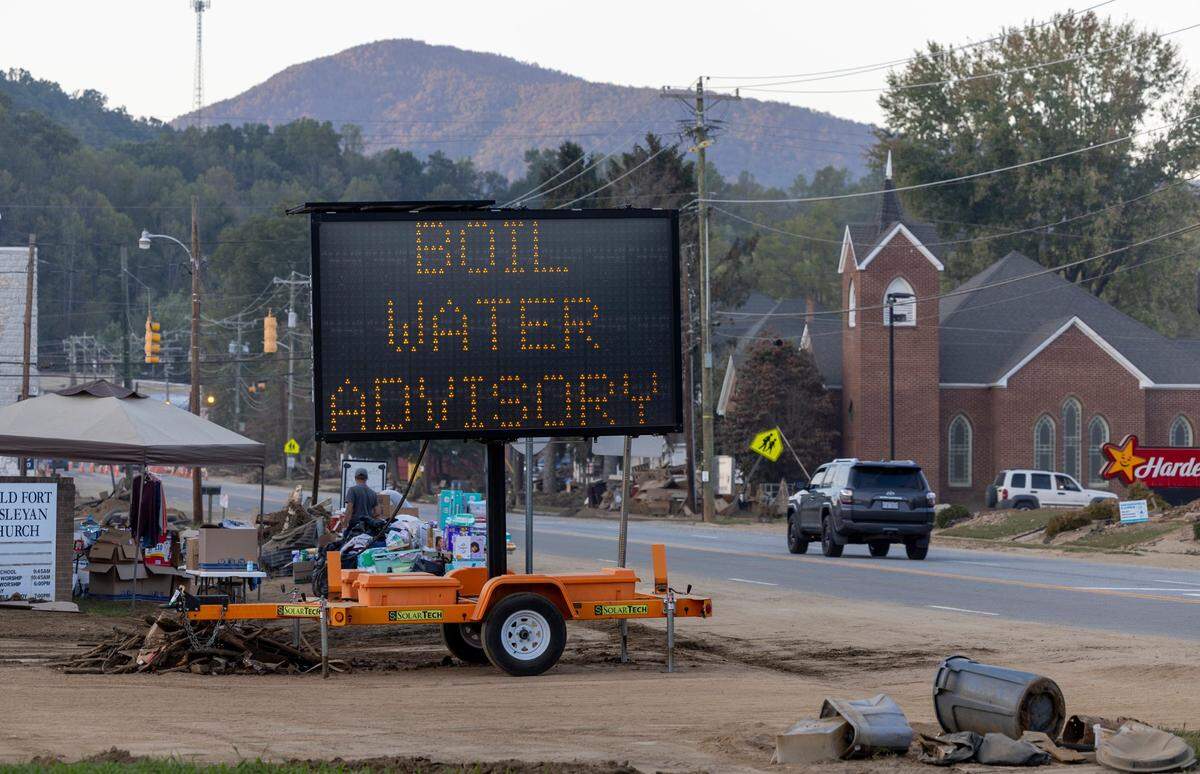
Hundreds of thousands are under boil water advisories.
When will water be restored in Asheville, Western North Carolina?
Asheville’s Mills River Water Plant is “fully operational,” the city said Monday. That plant serves about 20% of the city’s water system, according to the Asheville Citizen-Times.
But the North Fork Reservoir and its plant, which serves the other 80%, need more extensive and time-consuming repairs. City officials did not give an updated timeline Wednesday on when water would be restored but said previously it could be weeks.
Woody on Wednesday said crews are laying a new bypass line connecting North Fork’s treatment plant to the water distribution system and hope to finish that by Friday. Boulders clogging pipes slowed down that project, he added.
“That’s just the contingencies we have to be prepared for,” he said.
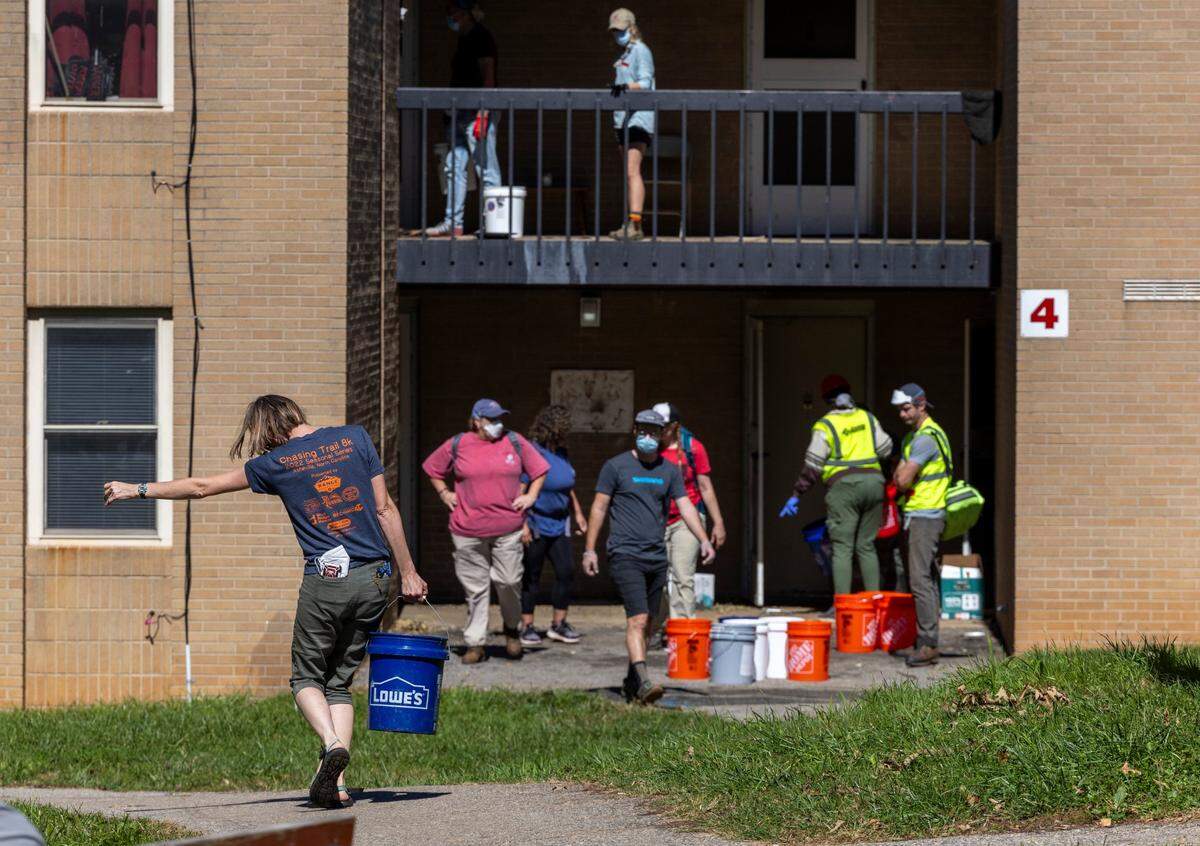
Asheville also is working to repair distribution lines throughout the city, Woody said. The city is partnering with the Environmental Protection Agency and engineers to purify the water in the reservoir, which was contaminated by sediment during the flooding from Helene.
“When the storm came, it essentially flipped the reservoir,” he said. “... All this sediment, pieces of clay particles, are now suspended in the water column.”
Workers need to get much of the sediment out of the water before it goes through the treatment plant, Woody said. Not doing so could cause more damage that could take months to fix.
The city will also have to repressurize its system, which will likely lead to the discovery of more damage, Woody said.
“Even when the water is able to leave the North Fork treatment plant, the process of refilling thousands of miles of pipe is going to take time,” he said.
Asheville’s water system also serves parts of Black Mountain, Hendersonville, Woodfin and Weaverville.
Issues in other water systems include a lack of consistent power, storm debris that needs clearing and damaged distribution infrastructure such as pipes and pumps, said Josh Kastrinsky, spokesman for the North Carolina Department of Environmental Quality.
“The spectrum of needed improvements is broad,” he said.
What about well water?
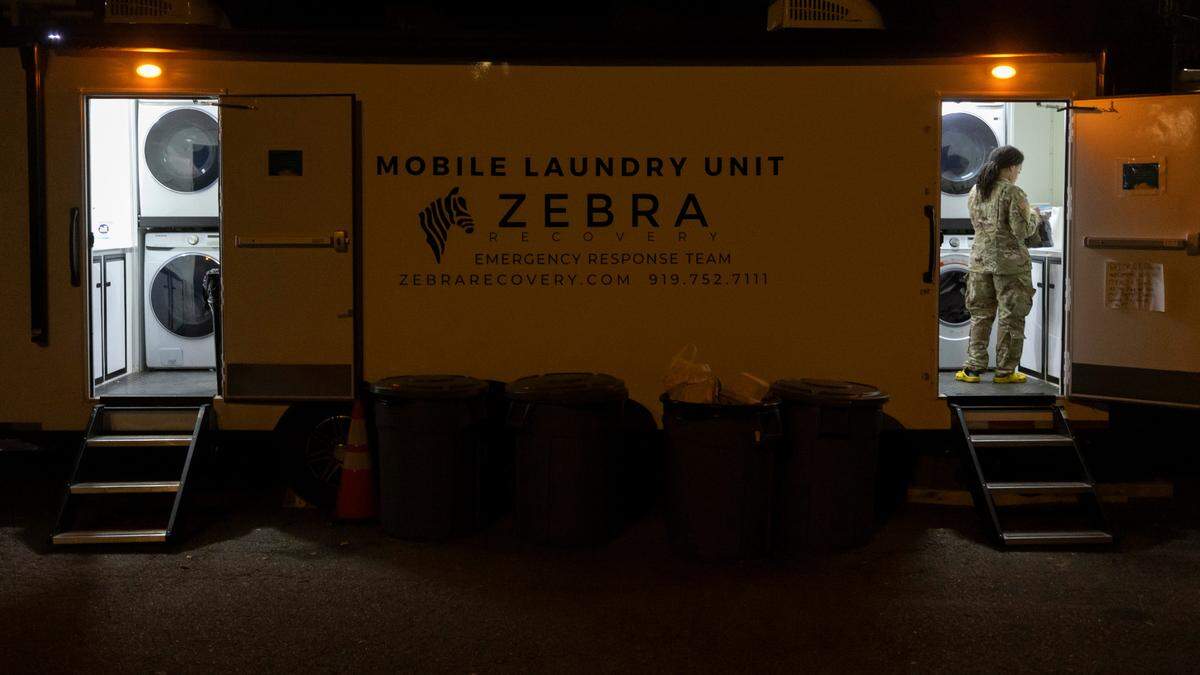
Officials are also urging caution for those in Western North Carolina using well water after Helene.
Floodwater can contaminate wells with livestock waste, sewage, chemicals and other contaminants that can lead to illness, the North Carolina Department of Health and Human Services advises.
Dug wells, bored wells and wells less than 50 feet deep are especially vulnerable to contamination, according to NCDHHS.
Property owners should reach out to their local health department, the NC State Laboratory of Public Health or their local county extension about getting their well water tested after flooding, the agency says. Additional testing may be needed if the well is near animal feeding operations, fields that use pesticides or industrial chemical factories.
Test kits will also be available for pick-up starting Thursday at 30 Valley St. in Asheville, county officials said at their Wednesday briefing.
NCDHHS also recommends property owners reach out to their local health department or a licensed well driller to “shock chlorinate” their well — a process that disinfects wells using liquid bleach or chlorine — after flooding.
This story was originally published October 9, 2024 at 1:51 PM.