
Muddy waters: In Helene’s wake, Asheville installs giant curtain to battle water woes
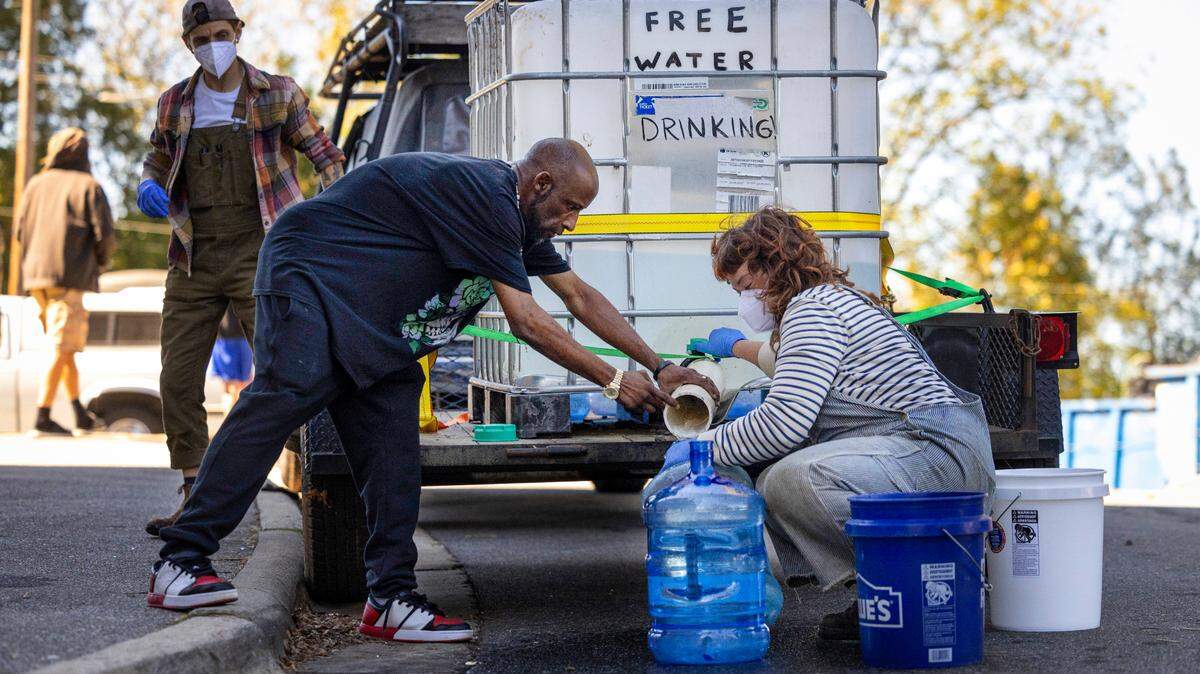
More than a month after Tropical Storm Helene left much of western North Carolina in ruins, most people in Asheville still don’t have safe drinking water running from their taps.
The storm deposited and stirred up so much sediment in the North Fork Reservoir that the surface of the lake remains brown. Sediment-filled water can contain microorganisms that cause disease, and city water customers were still on notice this week that the water isn’t safe to drink unless it’s boiled first.
Earlier this month, Asheville’s water department applied chemicals to the reservoir to try to clear up the water, but the sediment load barely budged.
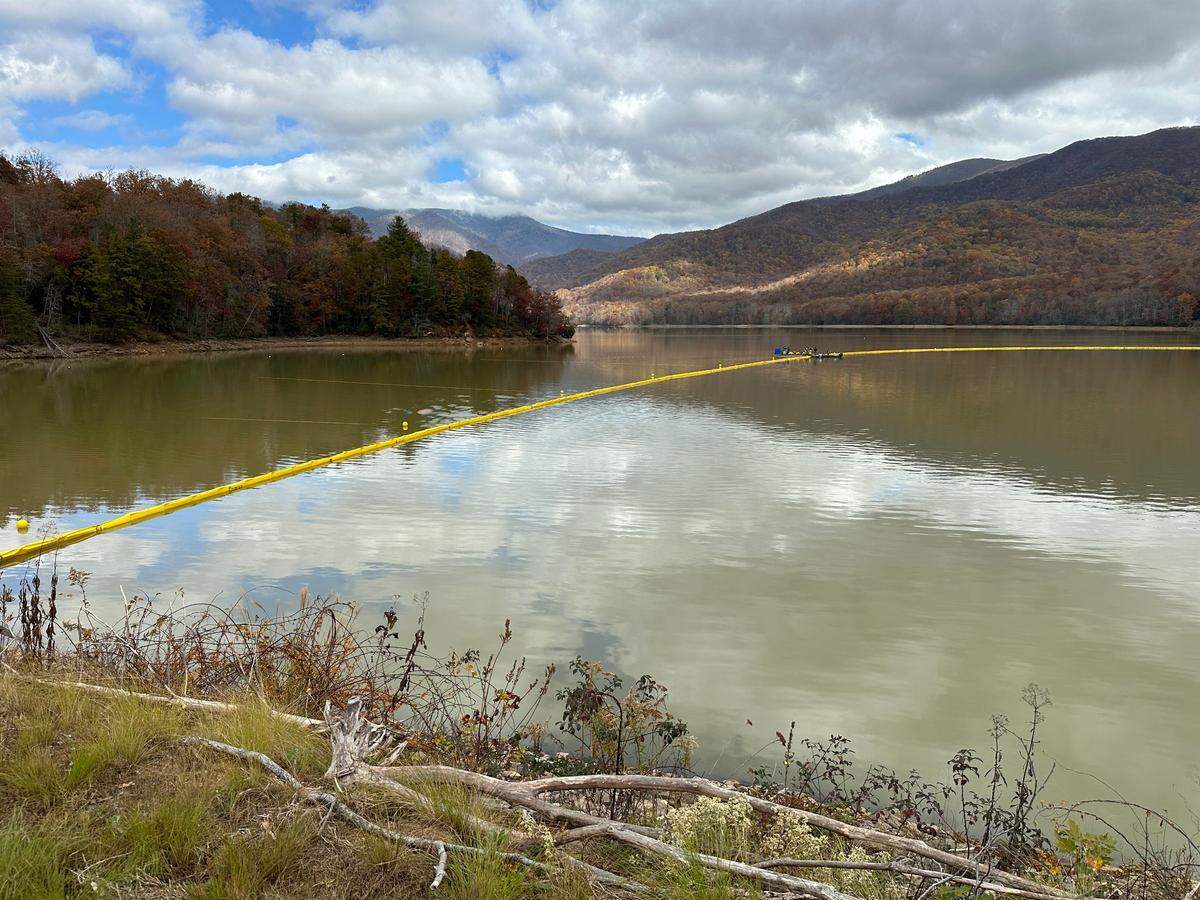
Now the city is trying a new approach: installing a 500-foot-long filtration curtain. It’s designed to create a pocket of water within the reservoir where a new batch of treatment chemicals can be applied more efficiently.
Only time will tell whether it will work.
“Never having done this before, we’re kind of learning as we go,” Clay Chandler, a spokesman for Asheville’s Water Resources Department, said at a recent public briefing.
Murky water is dangerous water
Helene broke water lines and muddied drinking water reservoirs, creating a crisis that left people in Asheville dependent on water distribution sites.
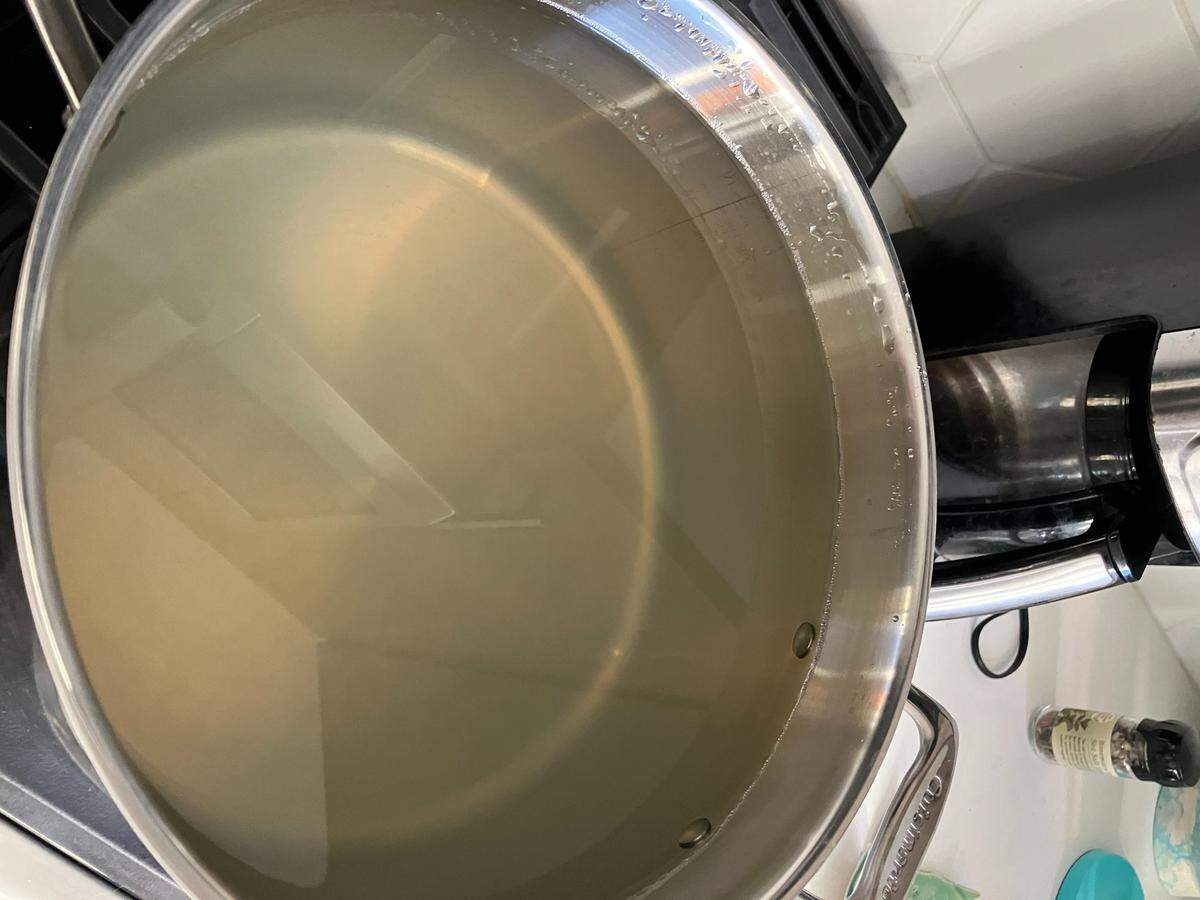
After weeks of work, the city has restored non-drinkable water to virtually all of its 63,000 customers. Heavily chlorinated, the non-potable water can be used for showers, laundry and flushing toilets — but not drinking or cooking, city officials say. When it comes out of the tap, it’s pale yellow.
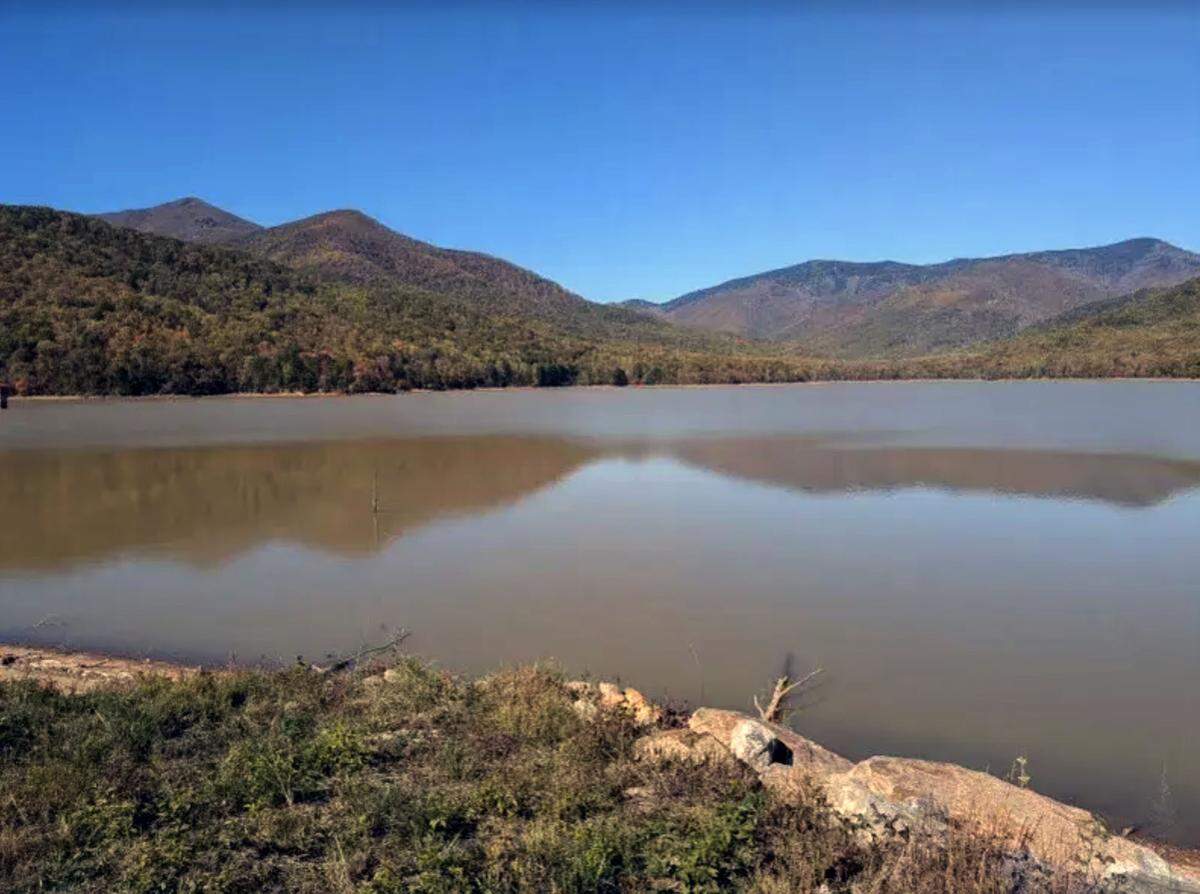
The North Fork Reservoir serves 80% of Asheville’s water customers. Its filtration system was designed to handle the relatively clear water that its forested watershed usually provides.
It’s not up to the job of cleaning water that contains the amount of sediment that the recent flooding churned up. That’s why city officials must figure out how to get the reservoir water clear enough that it can be treated.
In mid October, the city’s water department treated the water in the 350-acre North Fork Reservoir with aluminum sulfate, a salt that was supposed to clear up the water near the surface by causing the sediment to coagulate and sink.
But that didn’t work. Tests showed that the water’s turbidity — the degree to which it was clouded by sediment — remained stubbornly high.
That’s a health risk. Turbid water is often linked to higher levels of disease-causing viruses, parasites and some bacteria that can make people sick with diarrhea, nausea, headaches and more, according to the EPA.
Drinkable tap water is likely weeks away
The multi-layered filtration curtain, nearly as long as two football fields, was installed in the North Fork Reservoir this week. And on Wednesday and Thursday, a Georgia contractor hired by the city of Asheville began spraying hundreds of gallons of aluminum sulfate to try to clear the water.
If it works as intended, a pocket of relatively clear water will eventually flow into the reservoir’s treatment plant.
But it will likely be more than three weeks before city residents have drinkable water coming out of their taps. Here’s what’s expected to happen next:
By next Monday, city officials should know whether their strategy is working, according to Chandler, the city water spokesman.
If sediment levels drop significantly, city water department officials say they will likely apply another round of aluminum sulfate in order to get the water clean enough for the treatment plant.
Then the city will have to flush its entire water system for two and a half to three weeks to get all potentially contaminated water out of pipes and holding tanks.
If the new approach doesn’t work?
“We will continue working with Army Corps of Engineers and other outside contractors to come up with alternative treatment methods,” Chandler said.
So-called “turbidity curtains,” like the one just installed in Asheville, are often used to control sediment that is stirred up at construction and dredging sites. They’ve been placed in a number of reservoirs to keep sediment from nearby construction or erosion from entering water pipes that lead to treatment plants.
They’ve been used at the Kensico Reservoir, which supplies water to New York City, according to Peter Daly, owner of IWT Cargo Guard, a New Jersey company that sells the curtains and other environmental supplies.
“If they’re designed properly, they do a good job,” Daly said.
This story was originally published October 31, 2024 at 10:45 AM.
.JPG)