Tasers soften the blow of police power, but lawyers see evidence of misuse in NC
For about 25 years, police in North Carolina and across the country have turned to Tasers and other energy weapons to help them arrest people they can’t control with less injury risk.
When used properly, the devices shoot electrical current to momentarily paralyze or shock people who pose a risk to officers or others.
But they aren’t always used properly, multiple encounters between officers and members of the public across this state show, say lawsuits and civil rights advocates. Among some recent examples:
Parking lot clash: Called for a wellness check in a Walmart parking lot in early this year, Spruce Pine officers grew frustrated after a man sitting in a parked yellow Mini Cooper didn’t answer or follow their commands. After less than five minutes, officers pulled Dillon Ledford from the car, punched him nine times and shocked him twice with a Taser. But Ledford, a state prison corrections officer who has diabetes, wasn’t being obstinate. He was disoriented due to low blood sugar.
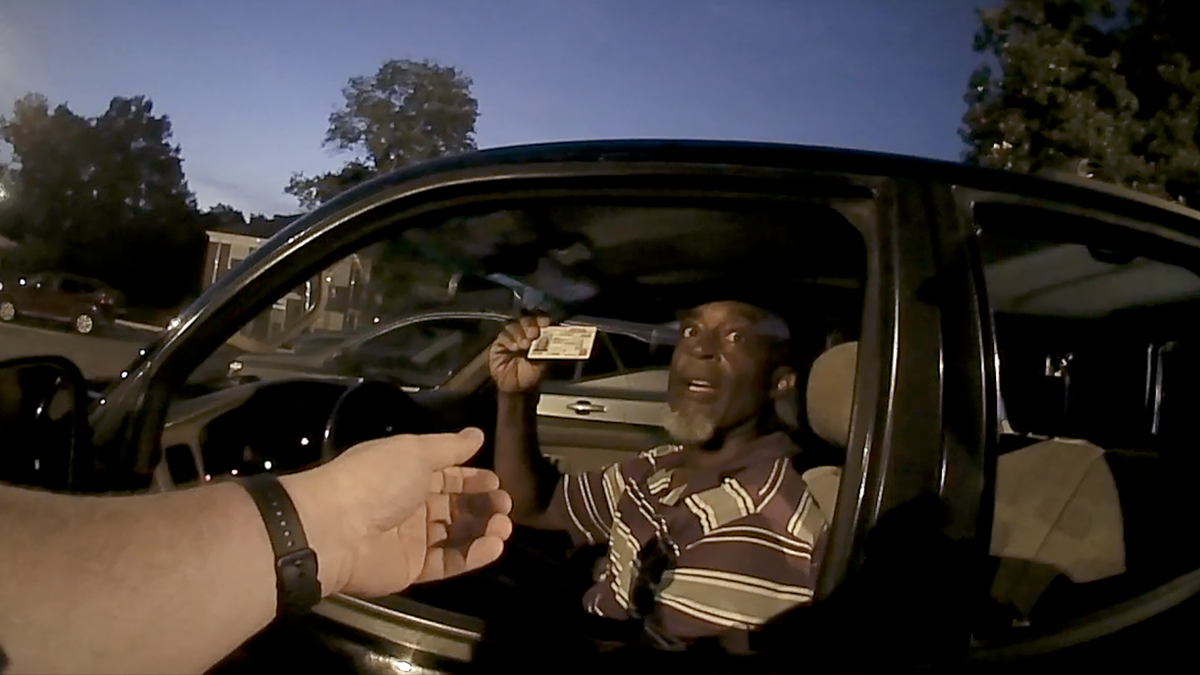
Shocked after traffic stop: After stopping Warrenton resident Dwayne Hicks for an alleged traffic violation and taking his license plate in the fall of 2023, a local police officer told the driver he was free to go. But minutes later the officer tried to pull him over again. When Hicks, who was unarmed, did not stop, the officer followed him home. There he shocked him until he fell to the ground and then fired a Taser against his body again.
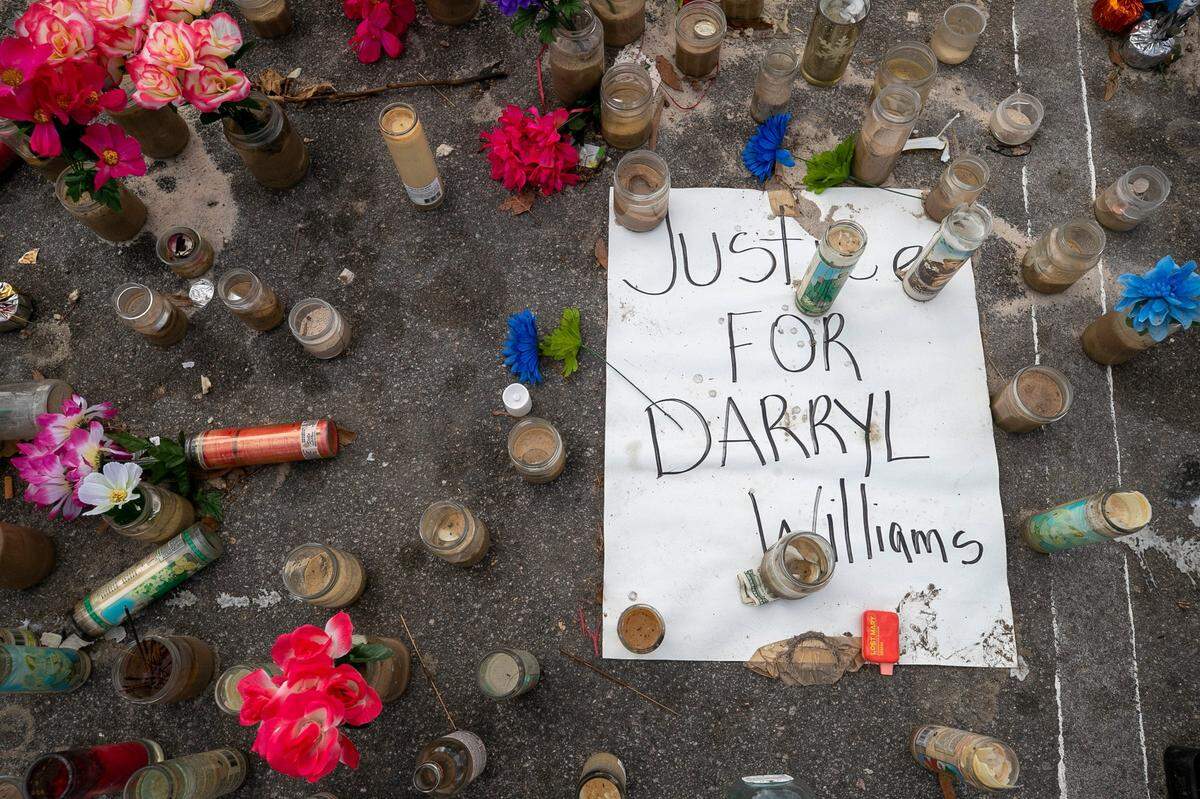
Fatal encounter: Earlier in 2023, when police approached a car in a Raleigh parking lot at 2 a.m., they found cocaine in the pocket of Darryl Williams, who was in the driver’s seat. After an officer grabbed his arm and said he was under arrest, Williams ran. After stopping Williams, who also was not armed, officers fired a Taser directly on his body as he lay on the ground at least two times, even after he warned them he had heart problems. After getting handcuffed, Williams fell unconscious and died.
In each case, officers crossed the legal line that limits the use of excessive force, causing preventable injury and death, civil rights advocates and attorneys contend.
Also in each case, a North Carolina town or police department stood behind the officers, continued to pay their salaries and, in two cases, contend officers did the right thing under the circumstances.
“These things that have been put into place to protect and serve us. I feel like it is being weaponized and used against us,” said Hicks, the Warrenton man who fought in court to get police video of his encounter with the officer made public.
Video from police cameras, surveillance tools and bystanders is making questionable use of the weapons more visible. But there have been many more in this state than three, stressed Jake Sussman, a civil rights attorney based in Charlotte.
Misuse of these police weapons will continue, he predicted, if officers aren’t properly educated. “There still needs to be sort of a wholesale retraining and appreciation for what a Taser can do,” he said.
Some departments are focused on providing Taser-use training. But when officers in Spruce Pine detained Ledford this year, their police department’s policies did not include guidance on appropriately using Taser and other energy weapons.
In fact, the officer who shocked Ledford twice was last trained on Taser use in 2012, according to a district attorney report on that encounter.
Court sets strict guideline
In addition to police, state prison guards carry Tasers and other electric current weapons in North Carolina. So do some officers in middle and high schools.
Studies show that using electric weapons have reduced the risk of injury to officers and suspects. Reduction in suspect injuries fell 40% to 79% after Tasers were introduced in some city police departments, according to a National Institute of Justice report.
Studies also show that the devices aren’t always effective, subduing subjects about 60% of the time.
Manufacturer guidelines warn that some individuals, such as people with certain health conditions, people on drugs, and people who are severely agitated could be particularly susceptible to harm by the Tasers.
All North Carolina law enforcement agencies are required to use federal court guidance on when using the devices is justified, which shifted significantly in 2016.
That’s the year the U.S. Court of Appeals for the Fourth Circuit set the standard for this state and four others, emphasizing the dangers of the devices and setting limits on their use.
The ruling grew from a excessive force lawsuit filed after an 2011 encounter between a bipolar and suicidal man and Village of Pinehurst officers. The officers repeatedly used a Taser on the man who the court said wasn’t a threat to officers or others.
“Taser use is unreasonable force in response to resistance that does not raise a risk of immediate danger,” the court concluded.
But eight years later, surveillance, cell phone and police video footage reviewed by The News & Observer reveal officers using Tasers on individuals who don’t appear to be a threat when the shocks are deployed.
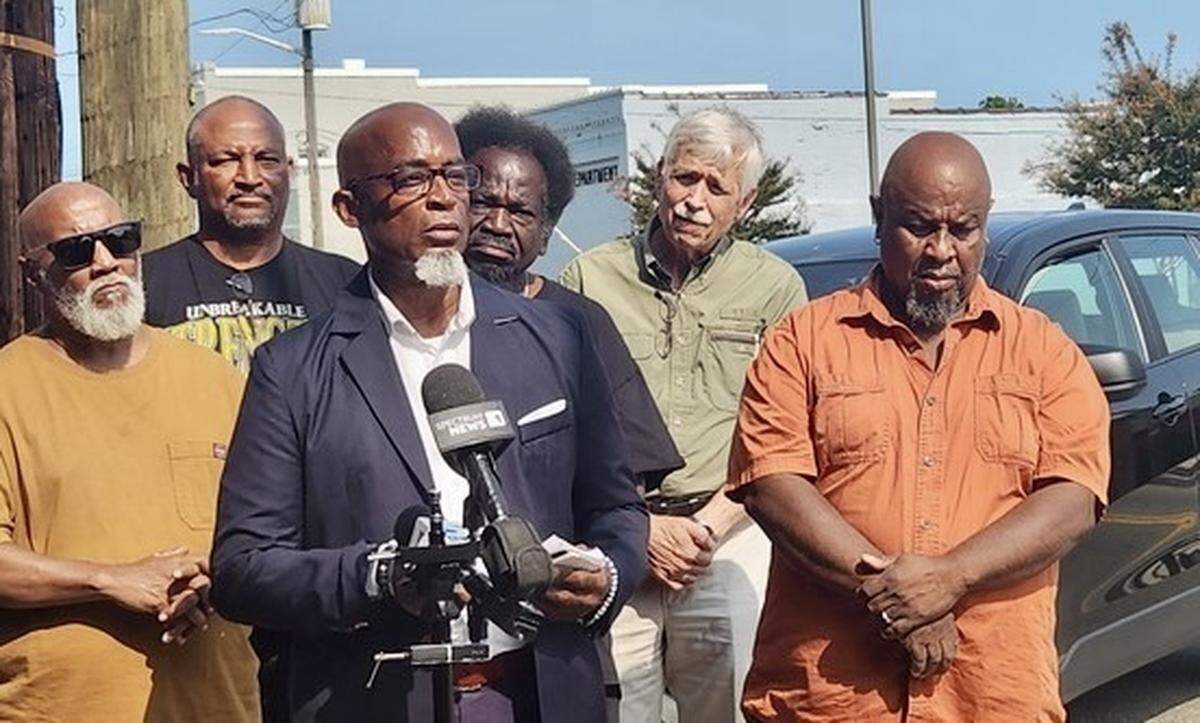
“Law enforcement, because of the lack of accountability for their actions, have no incentive to follow policies or procedures that are set internally, let alone those set by manufacturers or by the court,” said Dawn Blagrove, an attorney for Emancipate NC, who is representing Williams’ family along with lawyer Ben Crump.
Taser advantages and disadvantages
Since entering the law enforcement marketplace at the end of the late 1990s, Tasers have filled a gap in officer’s belts that previously held pepper spray, a baton and a firearm.
“It’s a much cleaner use of force, and it’s generally a safe use,” said Glen Webb, chief of the Village of Pinehurst Police Department, who started in the town in 2018.

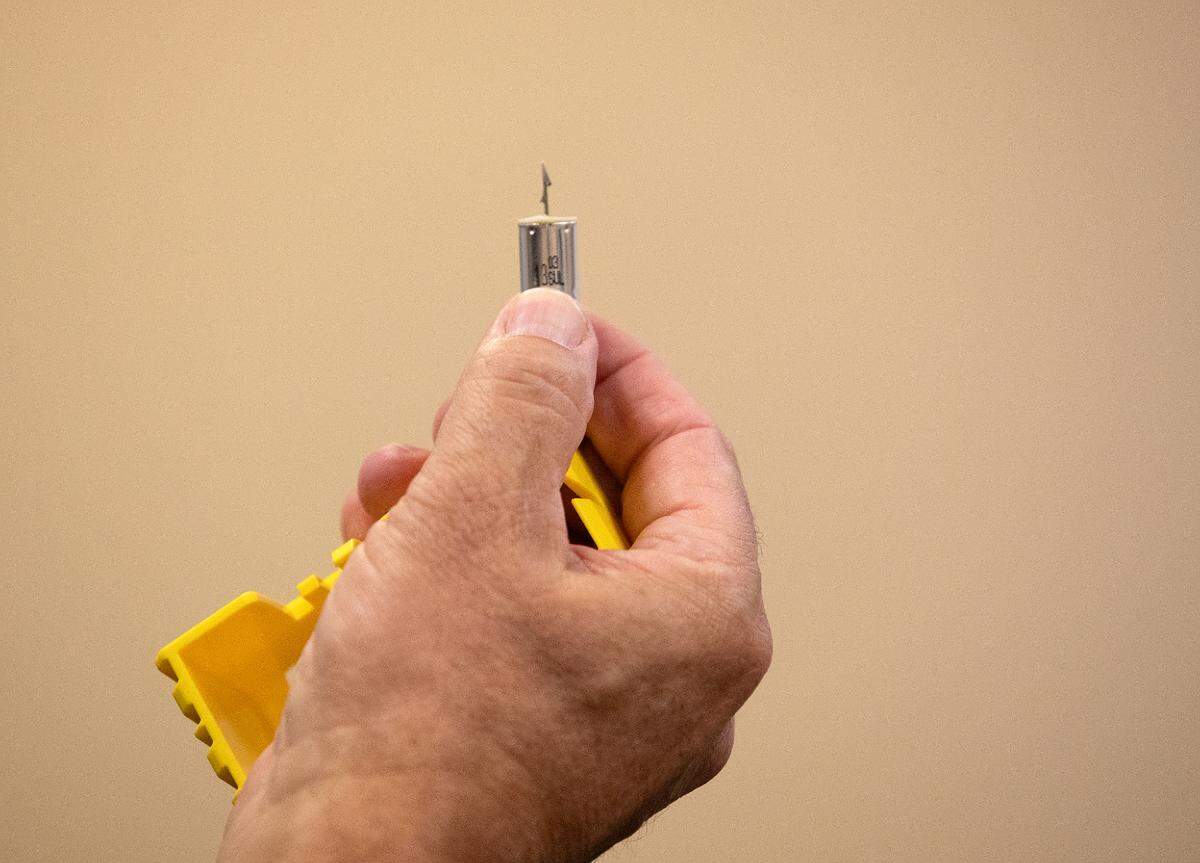
In a basement conference room at the Pinehurst police station, Deputy Chief Ken Hall pulled in October a gun-shaped Taser from its holster to demonstrate different ways officers use the device correctly to address threatening situations.
“We’re trying to avoid having to go hands-on fighting wise, because if we’re that close, there’s injuries potentially to us and the others,” Hall said during the demonstration.
In Pinehurst, in the rare case that officers use Tasers today, it’s most likely as a warning and without striking a person with a charge, said Hall, while holding a Taser in the air and making it flash and crackle.
If a threat to an officer or someone else rises, officers are instructed to first use two red and green lasers to aim where they want stunning prongs to land on a person’s body. To be most effective at immobilizing, the prongs should land one to two feet apart on two different muscle groups.
An officer pulls the trigger that sends electric pulses to paralyze the muscles momentarily, giving officers time to move in and put handcuffs on.
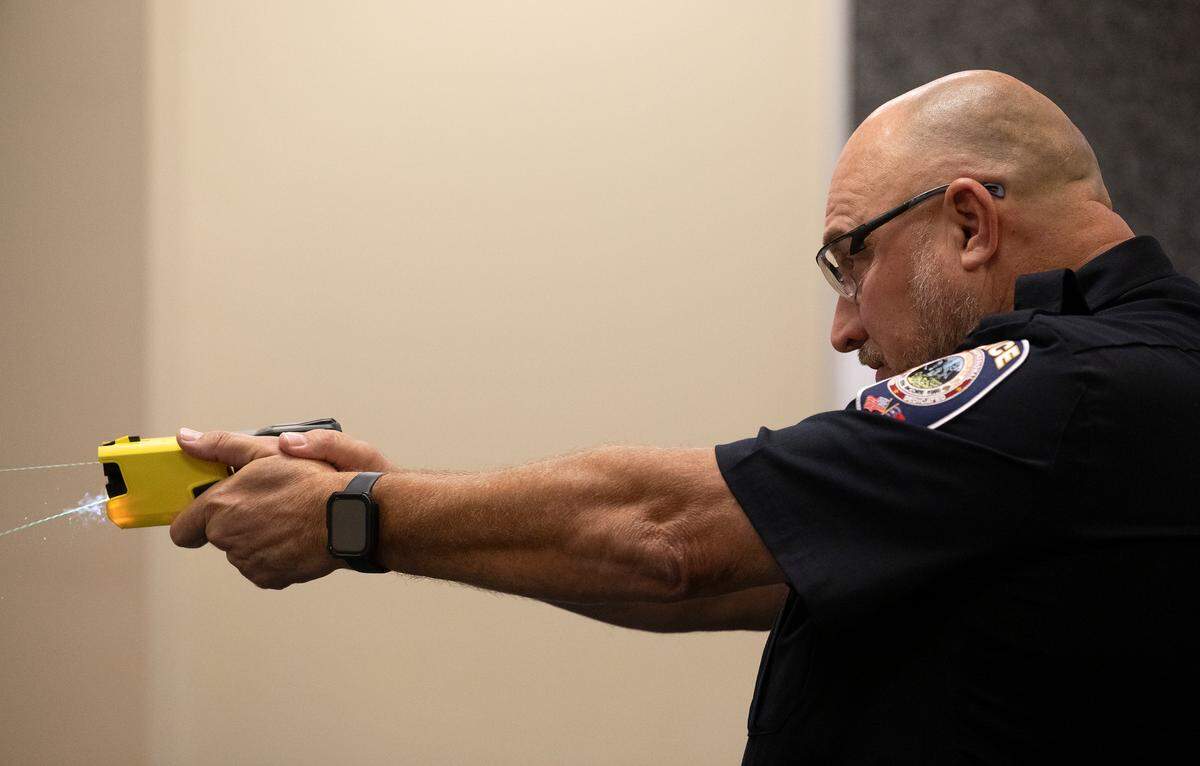
Another option officers can turn to is to use a drive-stun mode, the most controversial use of the weapons.
In those cases, officers press the device directly onto a person’s body and pull the trigger. It typically doesn’t immobilize people but it causes pain to force people to comply.
The court of appeals decision specifically forbids police using Tasers for pain compliance unless a person poses an immediate threat.
Yet officers used drive-stun mode on Dillon Ledford twice in Spruce Pine, on Dwayne Hicks outside his Warrenton home and on Darryl Williams in Raleigh, as he was laying on the ground surrounded by officers trying to get his wrists in handcuffs.
Pinehurst spent $30,000 for virtual reality technology so officers can practice de-esclating conflicts with members of the public. And its body camera system automatically turns on after a Taser is turned on.
How officers are held accountable
When police use any excessive force, including discharging Taser-like devices inappropriately, they can be held accountable in multiple ways. Police departments may require them to take training, demote them or fire them.
In the Warrenton case, Mark Oakley was fired after he used his Taser on drive-stun mode against Hicks after a traffic stop. Mike Waters, district attorney for Warren and nearby counties, asked the State Bureau of Investigation to investigate Oakley and his Taser use against Hicks and two other people.
But Oakley kept a job in law enforcement, working for the nearby town of Littleton, despite calls for his termination there by Hicks and the local NAACP.
Local officials often call in the State Bureau of Investigation to evaluate if anything criminal occurred.
After an SBI investigation, the agency shares the file with the local officials. Ultimately, the district attorney decides whether charges will be imposed. The Federal Bureau of Investigation could also investigate potential federal charges.
Charges against officers for using Tasers improperly are rare, as are convictions, according to a News & Observer review of incidents.
No charges resulted after Seth Banks, district attorney for Spruce Pine and surrounding areas, reviewed what happened to Ledford in the Walmart parking lot.
Banks reviewed how police responded to the call for help from a Walmart employee and released a report Nov. 6.
In it he noted that the local police were told that Ledford was “unwelcome” and “making employees uncomfortable.”
The report also described one officer punching Ledford while he was laying on his hands and another firing a Taser on his body twice. All the actions were for “compliance,” Banks wrote.
“While, with the benefit of hindsight, the failure to involve medical personnel to evaluate Mr. Ledford’s condition on scene given his apparent symptoms is cause for concern, that omission does not rise to the level of a violation of the criminal law,” the DA concluded.
But Banks’ report doesn’t cite a specific “threat,” the federal court ruling standard.
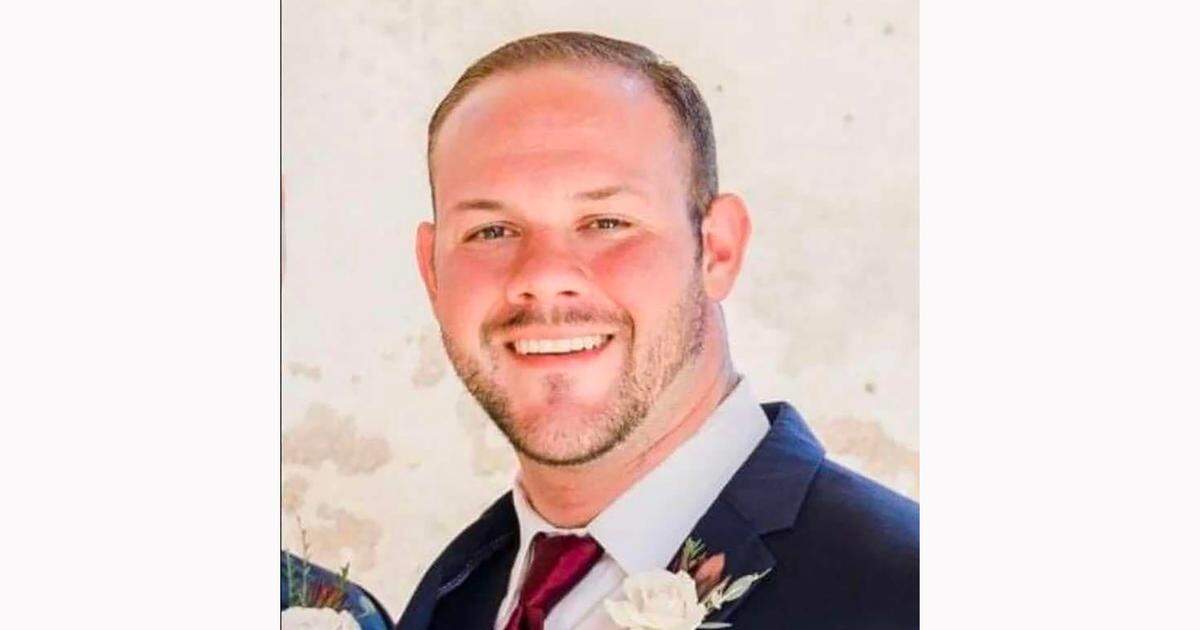
Spruce Pine officials said Ledford was “physically combative” while resisting arrest by officers, who were unsure if he had a weapon, according to a Nov. 12 town press release.
“The Town strongly believes the officers’ limited use of force against Mr. Ledford was not excessive and was objectively reasonable under the circumstances considering the severity of the crime at issue,” the press release states.
Banks didn’t see evidence that Ledford knowingly resisted or trespassed in the parking lot, his report states. So he dismissed Ledford’s misdemeanor charges of trespassing and three counts of resisting arrest.
While Spruce Pine didn’t admit fault in the encounter, the town did update its police policies, participated in numerous trainings and installed dashboard cameras in patrol vehicles, the press release states.
Different take on the same encounter
Ledford, the corrections officer who didn’t respond to police commands, directed a reporter to talk with his lawyer about what happened in the Walmart parking lot in February. He doesn’t remember the encounter, beyond “the sensation” of the Taser, according to the district attorney’s report.
Because local police there don’t wear body cameras, there was no department footage to review.
But Walmart surveillance video captured what unfolded. It shows that the officers used Tasers to force Ledford to comply with their orders, civil rights attorneys said.
“This was a gross failure of leadership and an absolute disgrace by the municipal government in allowing these people to maintain employment,” said David Wijewickrama, Ledford’s attorney.
“These people should be removed, and it is inexplicable to me how the district attorney did not criminally charge them,” added Wijewickrama, who has represented sheriffs’ offices for 15 years.
Policing is challenging, dangerous
Police leaders say they know videos of officers using Tasers on people are hard to watch. But context is key to understanding that officers must make split-second decisions to protect themselves and others.
It’s often a challenge to do perfectly in a fast-moving situation, police say. On a daily basis, the job requires officers to approach unpredictable people who might be intoxicated by drugs or psychotic due to severe mental illness.
One wrong move, and a person could put hands on officers, pull them into struggles, hurt them and even take their firearms, said Henry King, president of the North Carolina Association of Chiefs of Police.
“Now, I’m in trouble, and this person could hurt me,” King said, sharing what might reasonably go through an officer’s mind.
King and other police leaders stress that there are things people can do to reduce the chance that officers use force during an encounter.
They encourage people to be respectful and to follow officers’ directions. They also urge people to bring complaints about any perceived misbehavior to supervisors after encounters. Such complaints are key to chiefs understanding how officers understand training, King said.
Taser use shifts after 2016 ruling
After the courts narrowed allowable Taser use to situations where people pose a threat of harm, Taser use fell for many departments across the country, including in North Carolina. But the numbers have climbed back up for some city police forces here.
The Charlotte-Mecklenburg Police Department’s recorded Taser use fell from 54 uses in 2015 to 40 in 2015. But by 2023, it climbed back up to 52 uses. Since 2015, officers have reported 420 use of Tasers.
In 2015, Durham reported 55 use of Tasers, which steadily fell after the ruling to 10 in 2023, according to police reports. Since 2015, Durham officers have reported 164 uses of Tasers.
In Raleigh, Taser use fell from 60 in 2015 to 37 in 2018. In 2022 Taser use more than tripled to 86 in 2022 and fell to 57 this year. From 2015 to 2023, Raleigh officers used the Taser 410 times.
When asked why Taser use has increased by the Raleigh Police Department, spokesperson Lt. Jason Borneo did not provide a direct answer. Instead he shared department policies.
Weapons should only be used in response to “active resistance,” defined as the “use of personal weapons or other weapons to assault to gain a positional advantage from which an assault is or would be likely,” he wrote in an email.
Like many agencies across the state, Raleigh police receive eight hours of Taser training when they join the department and an additional four hours each year, Borneo said.
They also take related classes, such as training on how to control people and de-escalate conflicts. Under Police Chief Estella Patterson, appointed in 2021, the department implemented a new de-escalation policy in 2022.
Are policies clear?
Clear policies are required to ensure that officers use Tasers properly, civil rights advocates say.
A year after Williams died after Raleigh police repeatedly fired a Taser on his body, his mother filed an excessive-force lawsuit against the city and officers in March 2024.
In a report released prior to the lawsuit, the city said officers used Tasers once to stop him after he ran, and then twice after he refused to put his hands behind his back.
Williams wasn’t a threat to police or the public, however, his family’s lawsuit states. But the police still fired their Tasers, including in drive-stun mode twice after they had subdued him and were struggling to handcuff him.
“I have heart problems,” Williams is heard saying in a police video released after his death. He gasps for air before an officer pushed a Taser into his back in drive-stun mode a final time. “Please. Please,” he says.
Williams fell unconscious and was pronounced dead at WakeMed.
The Williams lawsuit argues that Raleigh’s use-of-force and weapon policies are confusing to officers. In some areas they give clear direction but in others wording seems to endorse police to use force to control people, the suit charges.
“Nowhere in the entire Use of Force Policy does it state that a Conducted Energy Weapon (“CEW”) should not be utilized, either in probe mode or generally, as a pain compliance tool,” the lawsuit states.
In court filings, city attorneys accuse Williams family attorneys of misrepresenting police policy. When not cut down to out-of-context snippets, the policies make clear that officers need to consider multiple factors before using force, they state.
City officials have asked a judge to dismiss the lawsuit. It’s a typical legal move and an important process.
The judge’s decision could end the case. If it moves forward, it could test the standards set by the appeals court and provide more insight on what judges and juries consider excessive force.
Virginia Bridges covers criminal justice in the Triangle and across North Carolina for The News & Observer. Her work is produced with financial support from the nonprofit The Just Trust. The N&O maintains full editorial control of its journalism.
This story was originally published December 4, 2024 at 5:30 AM with the headline "Tasers soften the blow of police power, but lawyers see evidence of misuse in NC."