Coyotes are roaming around NC. Here’s how to distinguish them from dogs & stay safe
If you’ve spotted (or heard) a coyote in North Carolina during the last few weeks, you’re not alone.
It’s mating season for coyotes, which means sightings are more common during this time of year, Roland Kays, a zoologist and professor at N.C. State University, told The Charlotte Observer.
While you probably won’t see them in urban areas — like downtown Raleigh, Charlotte or Durham — they’re more common in suburbs, farms and fields, he said.
Since coyotes can look like some dog breeds, you may be tempted to approach them — but experts say that’s not a good idea. Here’s everything you need to know about the nocturnal mammals.
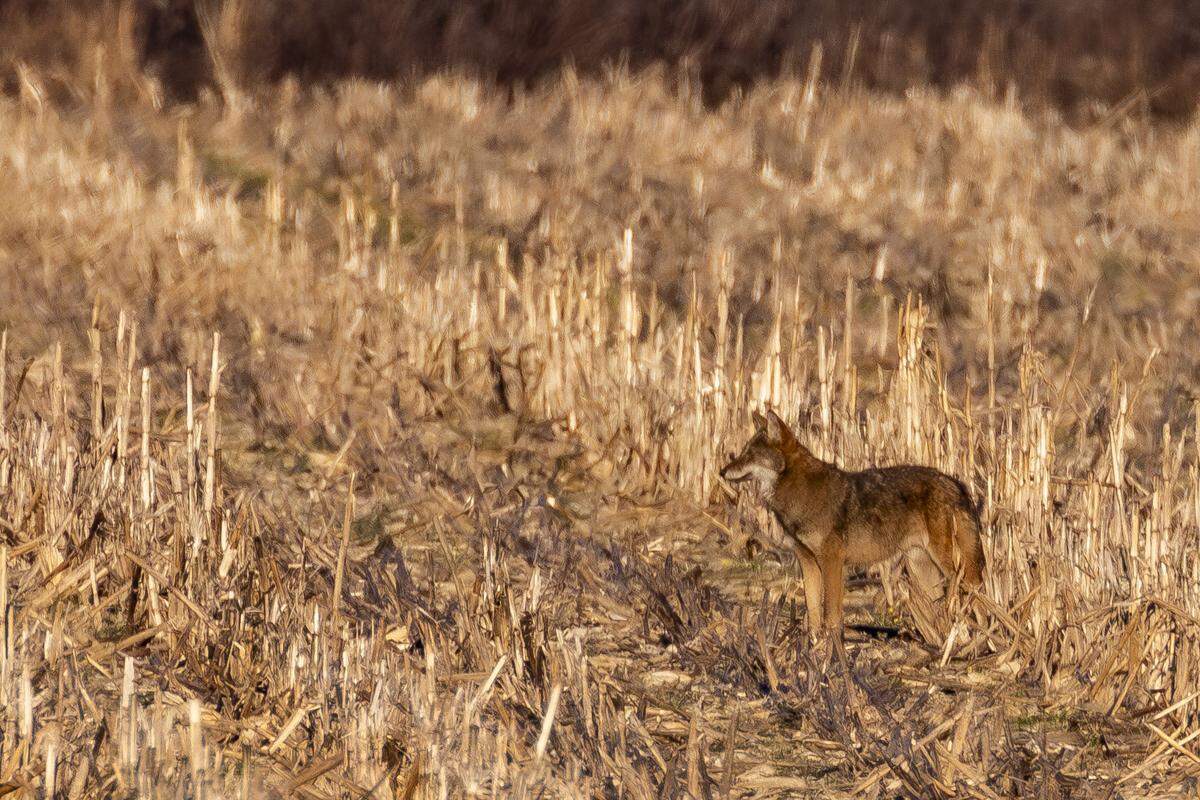
Are coyotes dangerous to humans and pets?
They can be, Kays told the Observer.
Coyotes are “opportunistic hunters,” which means they hunt whatever is available to them, Kays said, noting they can eat anything from fruit to insects.
But they’re also known to go after humans and domesticated animals.
“They are known to attack cats and sometimes small dogs, and sometimes they end up attacking people that are trying to defend their dogs,” said Kays. “Sometimes they’re known to go after adults or something more likely, young children under five.”
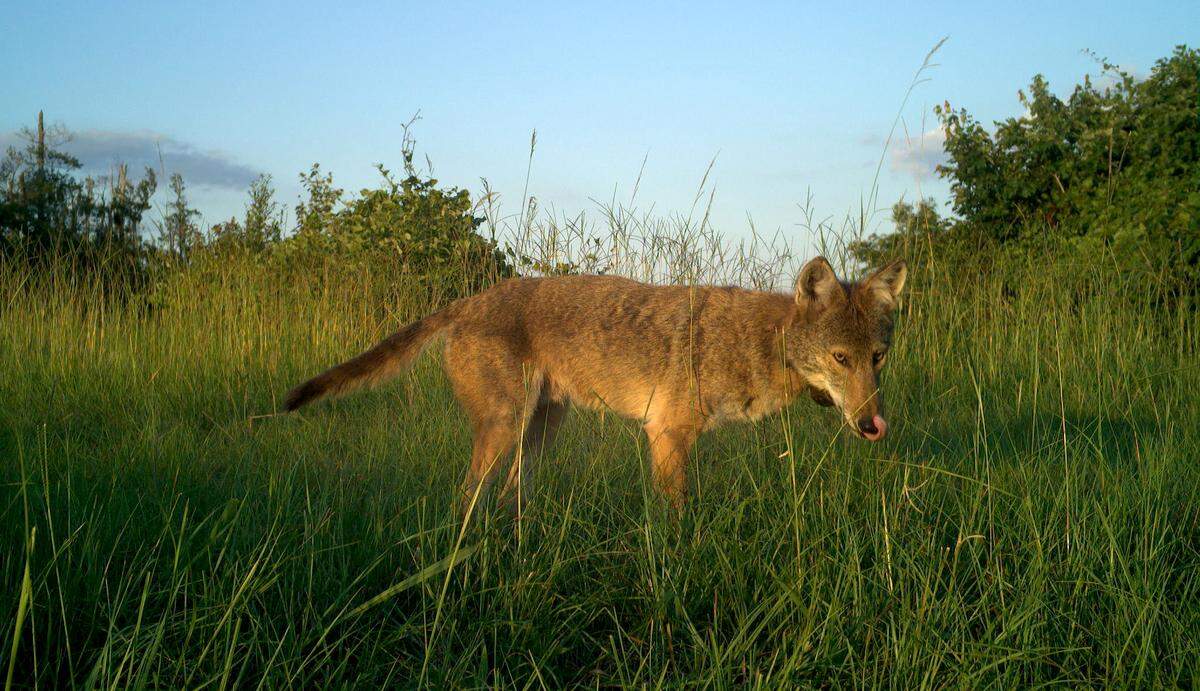
How can you tell the difference between a coyote and a dog?
Coyotes often resemble some dog breeds, such as a Siberian husky, but there are ways to tell them apart, Kays explained.
Coyotes are a little bit skinnier, Kays said, with ”pointier ears and pointier noses.”
You can also tell the difference by looking at their patterns, N.C. Wildlife Resources Commission biologist Falyn Owens previously told the Observer, noting that, unlike many canine breeds, coyotes are typically one color and do not have patterns or spots.
Coyotes also have different facial and body structures than most dog breeds, she said.
“Coyotes tend to have a pretty sloping forehead, but domestic dogs tend to have a really flat forehead,” said Owens.
“Also, coyotes don’t have that big barrel chest that some large dog breeds have. With any animal that’s roughly the size of a coyote that’s free-roaming, and isn’t on a leash or behind a fence, you probably just need to be a little bit careful. Just don’t expect to be able to walk up to a strange canid [a mammal in the dog family] and pet it.”
How to keep coyotes away from your home
If coyotes are common near your home, it’s usually because there’s a key resource nearby, Kays said.
“A lot of times, these attacks end up happening if somebody’s feeding the coyotes,” Kays said. “So that’s number one. If you want to reduce the likelihood of a coyote attack, you want to make sure nobody’s feeding the coyotes.”
Kays also pointed out that fences can help deter coyotes, but they have been known to jump fences.
“If you have a small dog and you’re letting them out at night, you might want to keep an eye on them,” Kays said.
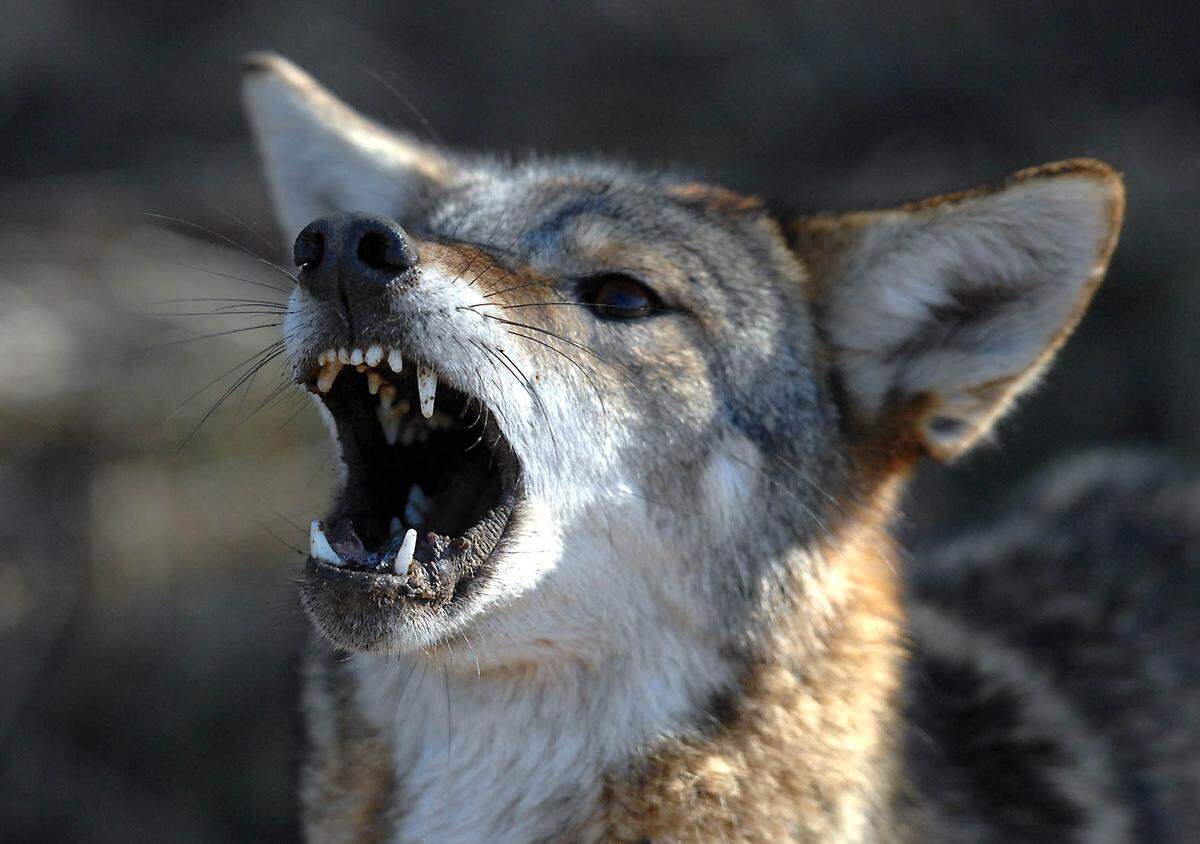
What should you do if a coyote attacks your pet?
If a coyote bites or attacks your pet, the first thing you should do is get it away from your pet, according to Washington state-based Angel Pet Hospital. You can do that by distracting the coyote with an object or loud noises.
Once the coyote is away, you can assess your pet’s injuries. If your pet suffered severe injuries, you should wrap them in a towel or blanket and seek immediate medical attention, the hospital advised.
You should also check if your pet is up to date on their rabies vaccination. If your pet’s vaccination has expired, you may have to quarantine them to ensure they didn’t contract rabies during the attack.
Reach out to your pet’s veterinarian to learn more and get proper care.