What advice do attorneys have for North Carolina police on how to reduce lawsuits?
Adam Peoples is typically on police officers’ sides, regularly defending them in lawsuits accusing them of misconduct.
But this week the attorney told police chiefs from across North Carolina that he sees a need for change, specifically more training to help officers better respond emotionally when in heated conflicts with members of the public.
That would require adjustments to usual police culture, which doesn’t encourage officers to share feelings, he said.
“It’s not macho to think about feelings and emotions and to pay attention to how somebody calling you names is going to make you feel,” Peoples said.
But departments are at risk of lawsuits if officers aren’t encouraged and trained to do just that, Peoples said. The U.S. Supreme Court has ruled again and again that officers’ special training means that they can’t respond the way most people react.
Peoples doesn’t agree, he said, but that is how the law works.
“I think that’s wrong because you are human, and you do hear things, and you are affected just like everybody else, but you’re not given that leash,” Peoples told an audience of North Carolina police chiefs and their top staff.
Goal: Raise level of police professionalism
Peoples’ coaching at the North Carolina Association of Chiefs of Police’s annual conference was part of the association’s efforts to expand police professionalism across the state, said Henry King, association president.
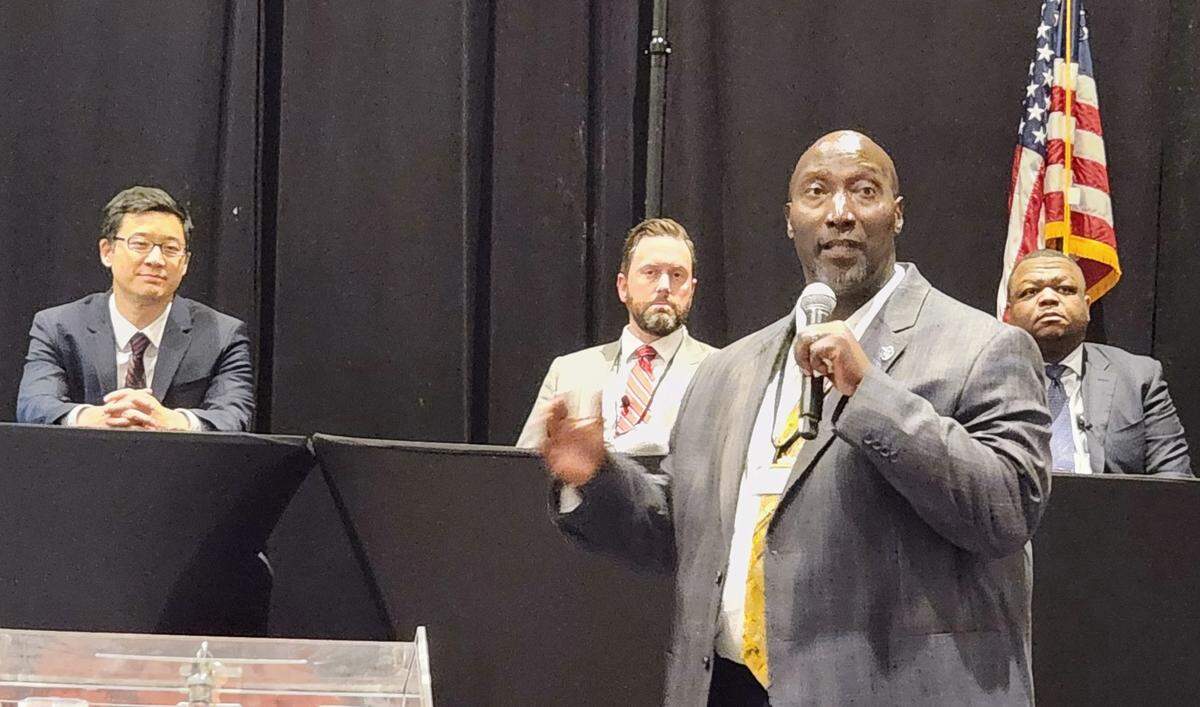
The association held a panel discussion Jan. 14 that included Peoples, who often represents law enforcement, and national civil rights attorney Harry Daniels.
Peoples, who is Asheville-based, is often hired by insurance companies to represent officers accused of accusations of using excessive force and assaulting individuals. Daniels has represented a number of people or family members in North Carolina and across the country who file lawsuits claiming that officers violated their civil rights.
In January, Peoples and Daniels argued against each other in a federal case accusing a Shelby police officer and a man who said he was beaten and handcuffed in 2018 for “shopping while black” at Walmart. The lawsuit ended in a mistrial.
But when speaking before North Carolina’ police chiefs at Harrah’s Cherokee Casino Resort, they agreed on specific ways that officers can try to prevent excessive-use-of-force complaints before they happen.
Advice to officers from attorneys
Peoples advocated for giving officers more training on regulating their emotions as well as boosting their psychological fitness to help them better respond to verbal abuse, he said.
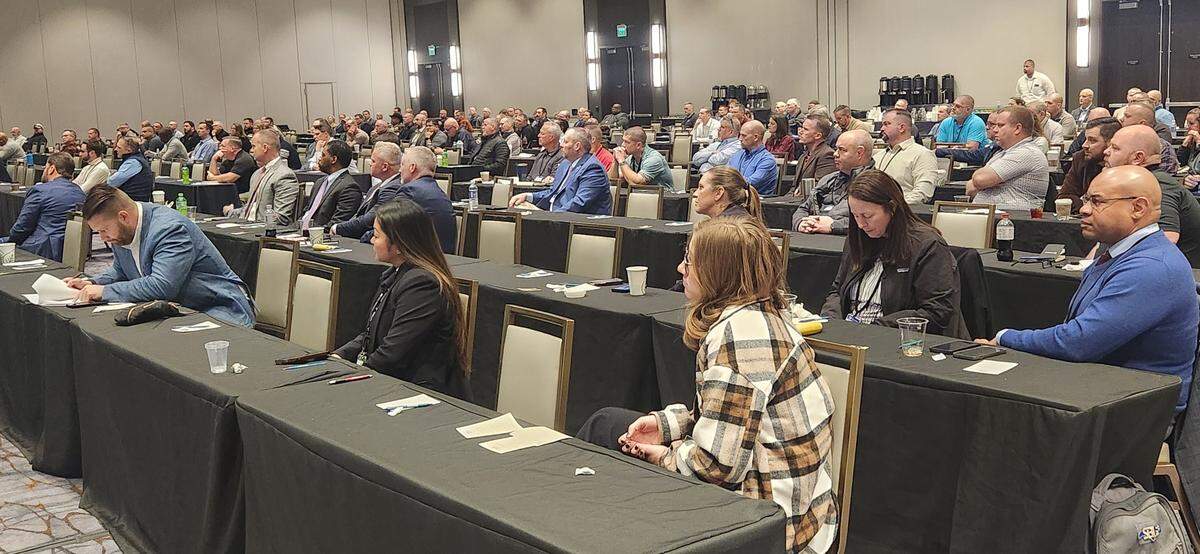
“You guys are top notch when it comes to physical, but when we start talking about feelings, everybody kind of gets shy and turns away,” Peoples told a conference room filled with police chiefs and their top staff.
When officers escalate situations by responding with emotions, they can end up violating people’s constitutional rights, Daniels said at the session, which was moderated by North Carolina Solicitor General Ryan Park and attended by his boss, Attorney General Jeff Jackson.
Officers are often personally sued and could be held liable if a jury issues a judgment against them, Peoples said.
That can cost officers hundreds of thousands dollars, or possibly more.
If officers focus on de-escalating conflicts, they could save lives and not end up in situations where Peoples has to defend them, Daniels said.
Attorney: Different people react to police differently
Officers should be prepared to distinguish between a person who is in crisis and a person who plans to create chaos, Peoples said.
When officers use force on people in the middle of a medical or mental health crisis, it is likely to escalate into a confrontation, he said. A recent Police Executive Research Forum report on best practices to reduce risks while restraining people agrees.
The report recommends that officers and dispatchers work together to identify people who are in crises or are experiencing a health emergency and to recognize that yelling repeated commands at those individuals won’t be effective,
One concern about police behavior in North Carolina is the overuse of Tasers.
The News & Observer recently documented accusations of misuse across the state. Specifically, officers don’t always comply with a federal court ruling that forbids using them to simply make a person comply with officers’ orders.
ln his experience, cases where Taser use is questioned always involve “an officer who got emotionally entangled,” because their fight or flight senses kicked as they navigated a dynamic and unfamiliar situation, Peoples said.
Peoples and Daniels also agreed that officers should leave their body-cameras on. Chiefs should trim exceptions that allow officers to turn the cameras off because they forget to turn them back on, Peoples said.
“I can stack up the bodies of all the bad things that happened when the cameras were off and the plaintiff counsel made a heyday about the fact that we didn’t have our cameras going.” he said.
Virginia Bridges covers criminal justice in the Triangle and across North Carolina for The News & Observer. Her work is produced with financial support from the nonprofit The Just Trust. The N&O maintains full editorial control of its journalism.
This story was originally published January 15, 2025 at 1:50 PM with the headline "What advice do attorneys have for North Carolina police on how to reduce lawsuits?."