
Bird flu detected in North Carolina turkey flock, Agriculture Department says
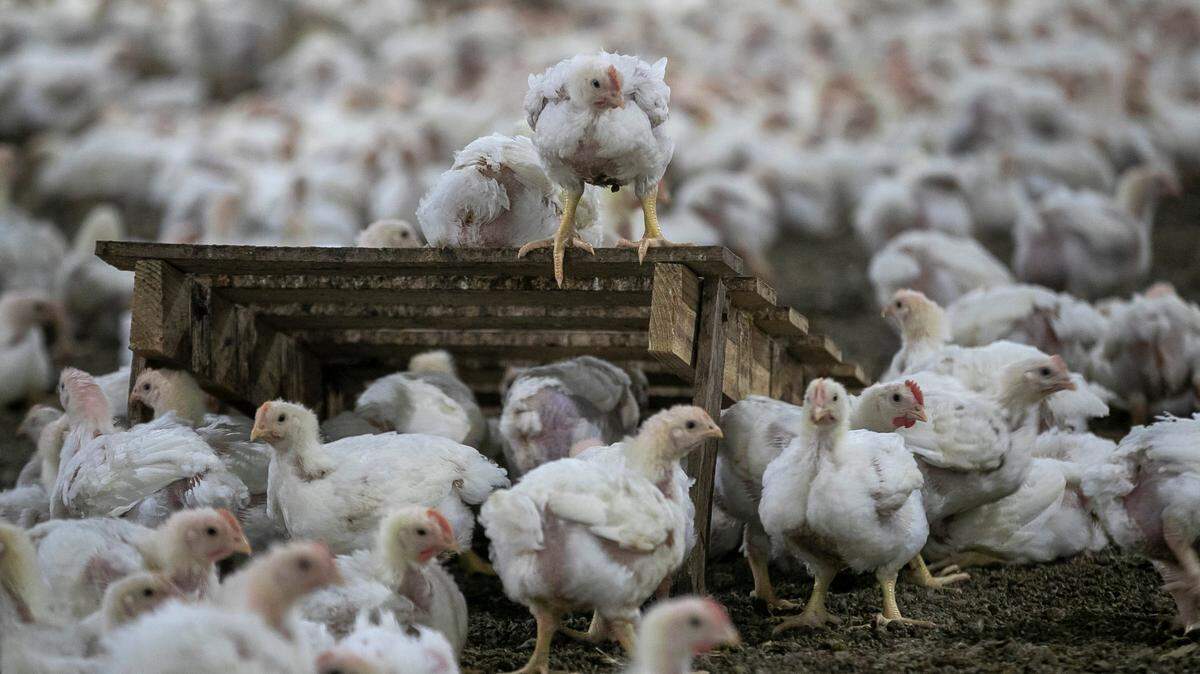
Turkeys in a commercial Sampson County flock have tested positive for highly pathogenic avian influenza, the N.C. Department of Agriculture announced Tuesday.
The 1,856-bird flock is the second commercial operation this month to test positive for the virus, which is often referred to as bird flu. On Jan. 7, the state reported it had found the virus in a 3.3 million-chicken egg laying operation in Hyde County.
The virus has been circulating among wild birds for years now, with some outbreaks among commercial and backyard operations. Over the past 30 days, cases have been found among 66 commercial flocks and 41 backyard flocks nationwide, according to U.S. Department of Agriculture Data, with 17.8 million birds impacted.
“With HPAI being pervasive in some wild bird populations and the recent cases around the country, all flock owners, commercial and backyard, should remain vigilant with their biosecurity,” Mike Martin, the state veterinarian, said in a written statement.
When birds in a commercial poultry flock test positive for bird flu, North Carolina officials typically kill all of the birds by filling barns with foam. The carcasses are then composted at the farm in an effort to prevent the extremely infectious virus from spreading further.
As that’s happening, state Agriculture officials also test nearby commercial facilities to see if they have cases.
Bird flu cases in NC
Since 2022, 21 flocks of poultry have tested positive for bird flu in North Carolina. A cattle herd in Western North Carolina also tested positive for the virus last spring.
There have been no reported bird flu cases in humans in North Carolina, but there have been 67 nationwide, including one death.
Signs of bird flu among birds include lethargy; decreased appetites; twisting of the head or neck; decreased egg production and swelling of birds’ comb, eyes, head and wattles, among others.
State agriculture officials are urging anyone whose birds are showing symptoms to call their local veterinarian, the N.C. Department of Agriculture and Consumer Services Veterinary Division at 919-707-3250 or the N.C. Veterinary Diagnostic Laboratory System at 919-733-3986.
This story was produced with financial support from the Hartfield Foundation and Green South Foundation, in partnership with Journalism Funding Partners, as part of an independent journalism fellowship program. The N&O maintains full editorial control of the work. If you would like to help support local journalism, please consider signing up for a digital subscription, which you can do here.
This story was originally published January 28, 2025 at 1:08 PM with the headline "Bird flu detected in North Carolina turkey flock, Agriculture Department says."