
As DC looks at Medicaid cuts, NC residents worry for their quality of life
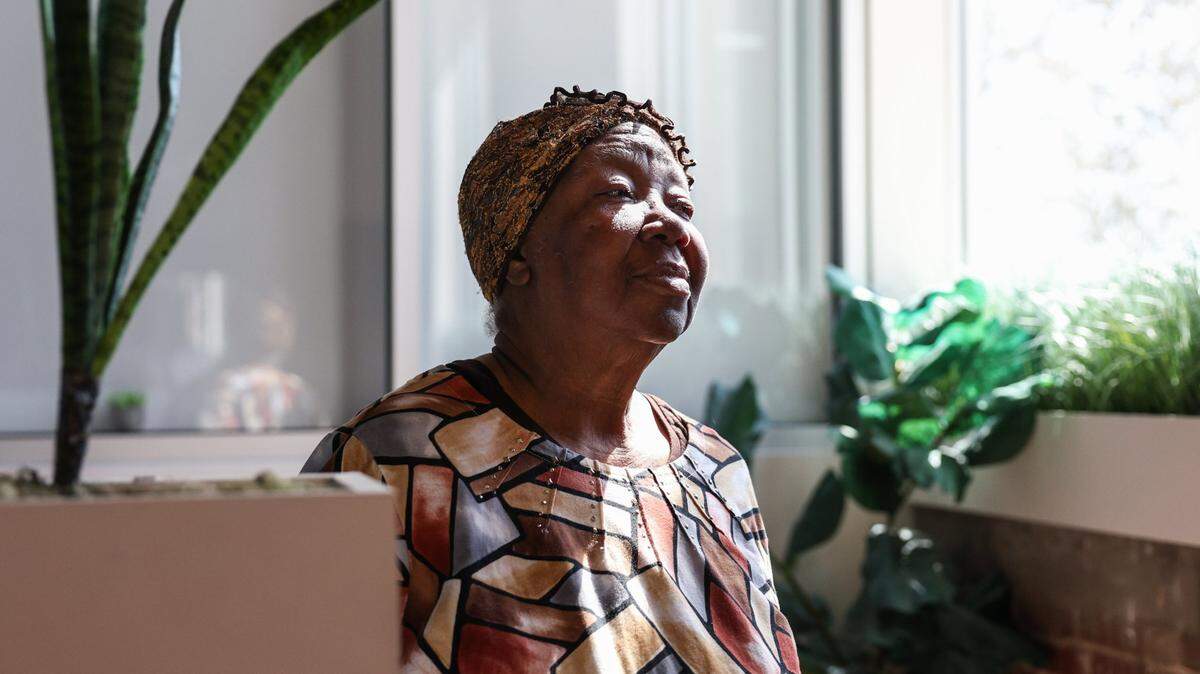
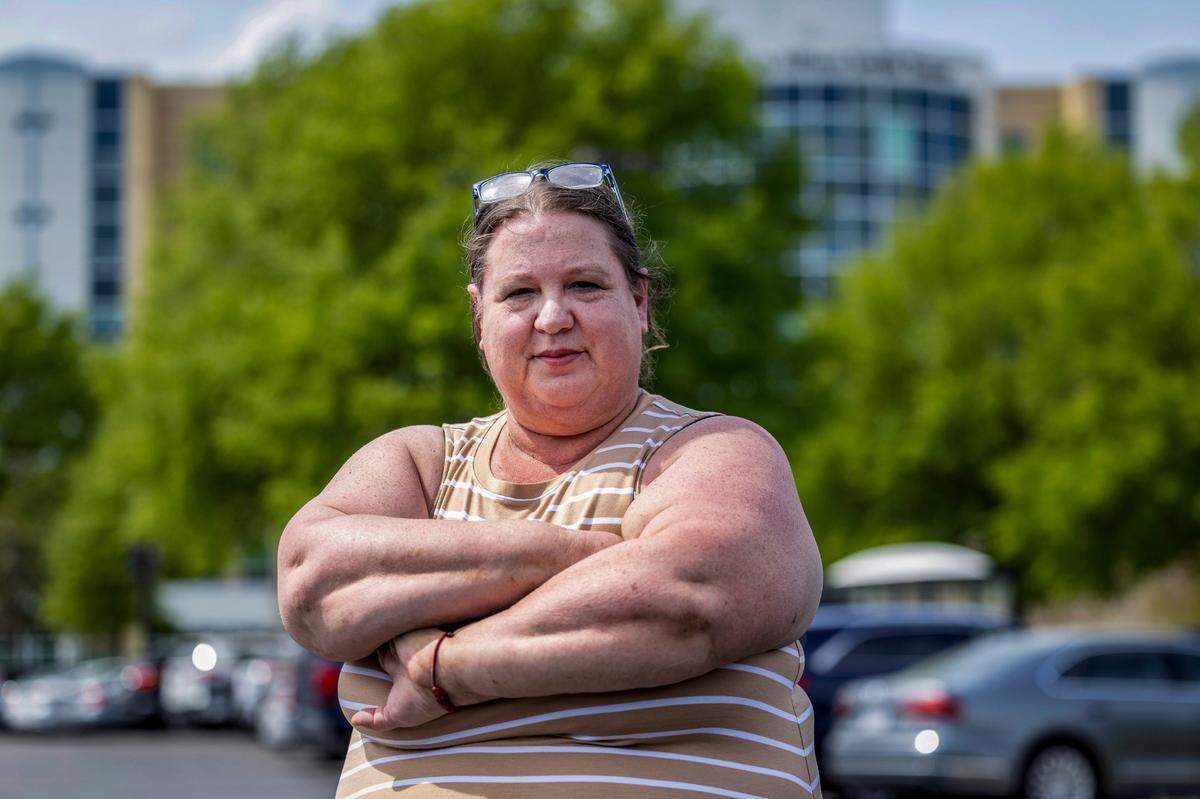
Darcy Guill remembers what her life was like without health insurance.
For a decade she was uninsured as multiple sclerosis progressed in her body, forcing her to step away from her career and leaving her with no income. Trips to free clinics were a limited option to help treat her extreme fatigue, painful muscle spasms, vision problems and anxiety brought on by her disease.
With Medicaid expansion, Guill is able to get affordable vital care she needs. But potential federal cuts to this program could leave Guill and thousands of other North Carolinians without this health insurance.
“If I’m uninsured again, it’s going to have a devastating effect on the quality of my life,” she told The Charlotte Observer. “I can’t go back to work. There’s no way that I can pay for my medication. I can’t afford it.”
Guill is among more than 3 million North Carolinians who rely on Medicaid — about 1 out of 4 people in the state — to provide them with vital health services their incomes can’t cover. As House Republicans in Congress lay out a spending plan to find trillions in federal cuts to fund extended tax breaks proposed by Donald Trump, Medicaid is expected to take a hit.
While it’s not clear when the House will vote, Deputy Secretary of NC Medicaid Jay Ludlam said depending on what gets cut, it could result in a $27 billion loss to North Carolina over the next decade.
North Carolina became the 40th state to pass Medicaid expansion in 2023. But if federal support for the expansion program falls below 90%, the nearly 650,000 people enrolled would immediately lose their health insurance, Ludlam said, with rural communities taking the hardest hit.
These cuts could also result in higher co-pays, reductions in benefits and shifts in who’s eligible for the program, Ludlam said.
“To undermine the health of North Carolina right now just does not seem like a good investment,” he said. “Medicaid strengthens North Carolina, and we should protect it.”
The Charlotte Observer spoke with North Carolinians who rely on Medicaid about how their quality of life would be affected if potential cuts are enacted.
‘This is what’s keeping me alive’
For five years, Guill worked without health insurance as a substitute teacher in Pitt County before mounting multiple sclerosis symptoms forced her to resign and left her without income.
The worst part is her fatigue, Guill said. She finds herself taking “involuntary naps” and occasionally feels exhausted even after getting a full eight hours of sleep. Lacking health insurance meant opting for visits to the free clinic rather than appointments at the nearest major health hub – Eastern Carolina University Medical Center – 30 minutes away.
Guill believes forgoing vital care and medication during the decade she was uninsured exacerbated lesions caused by her multiple sclerosis, tripling since her 2003 diagnosis.
In 2019, Guill got insurance through the Affordable Care Act, but that fell through a few years later when her insurance company went bankrupt. On top of that she was in a car accident.
Just as her situation began to look dire, she was automatically enrolled in North Carolina’s Medicaid expansion. Finally, she could breathe.
“It was the biggest relief because I thought I was going to be uninsured and I was terrified,” she said.
For a co-pay of just $4, Guill now has access to vital services.
Under Medicaid, the eight medications that she previously couldn’t afford now sit in her medicine cabinet waiting for her. Twice a year she’s able to get infusions to help manage her MS. And rather than visits to the free clinic, she goes on a monthly rotation to see her primary care doctor and other specialists at ECU Health.
Suddenly losing Medicaid if potential federal cuts are handed out is a thought that terrifies her.
For Guill, the cuts wouldn’t be only a financial concern — it could mean life or death.
“This is what’s keeping me alive and being able to get up in the morning and have any kind of quality of life,” she said.
‘We just wouldn’t be able to afford it’
By the time Marilyn Beaver’s daughter turned 3, she already had had two major surgeries and was dealing with a host of medical complexities that needed close attention and care.
In 2021, her daughter was diagnosed with Noonan syndrome, a genetic condition which can cause difficulties with feeding, growth, heart defects and other issues.
Her daughter, now 6, relies on a walker or wheelchair to get around. She is still very small for her age – about the height and weight of an average 3- or 4-year-old, Beaver said.
Before her diagnosis, Beaver and her husband, who live in Forsyth County, found themselves rationing their allowed visits to physical and occupational therapists. Through their employee health plans, they were allowed 10 appointments for the year. But their daughter’s needs were greater.
“Even though the doctor and the physical therapist said she needs two visits a week, we could really only do two visits a month,” Beaver said.
In the space in-between, she and her husband would ask for detailed advice from therapists and put it into practice, as best they could, at home.
The same year as their daughter’s diagnosis, their family was approved for the Communities Alternatives Program for Children, known as CAP/C. This Medicaid waiver program provides home and community based services to families with medically fragile children. It gives them the option to keep their children home rather than being cared for in a skilled care or nursing home facility.
Since their approval, the program has covered everything: physical and occupational therapy, visits to their daughter’s nine specialists and a weekly growth hormone.
Talks of cuts to Medicaid at the federal level take Beaver’s mind straight to the growth hormone her daughter has been taking for more than two years. Of all her care, this hormone has led to the greatest improvement in her daughter’s quality of life.
She’s sick less often and for shorter periods of time. And it’s helping her build much needed muscle mass.
The only way she and her husband can afford it is because Medicaid takes the cost off their hands. Without it, they’d be looking at a $3,600 monthly bill – more than their mortgage.
“I don’t know what we would do,” she said. “We just wouldn’t be able to afford it.”
The couple have already talked about selling their house to afford their daughter’s care if necessary. Beaver even thought about going back to work if she could find something that accommodates her daughter’s needs and schedule.
Without Medicaid, employer-based and private insurance doesn’t even come close to accommodating the level of care needed for their daughter.
“I’d give up any house I ever lived in to make sure she gets what she needs,” Beaver said. “We’re doing everything we’re supposed to, right? We’re working, we’re getting medical coverage, we’re paying our bills. And it is not enough.”
‘Look out for North Carolina’
Charlotte resident Frankie Clark knows she isn’t your average 80-year-old.
Clark is still able to drive to run errands or go shopping. She still has the capacity to look after her active “great grans.” She still advocates for health care rights across the state with the Senior Warrior Action Network through Action NC.
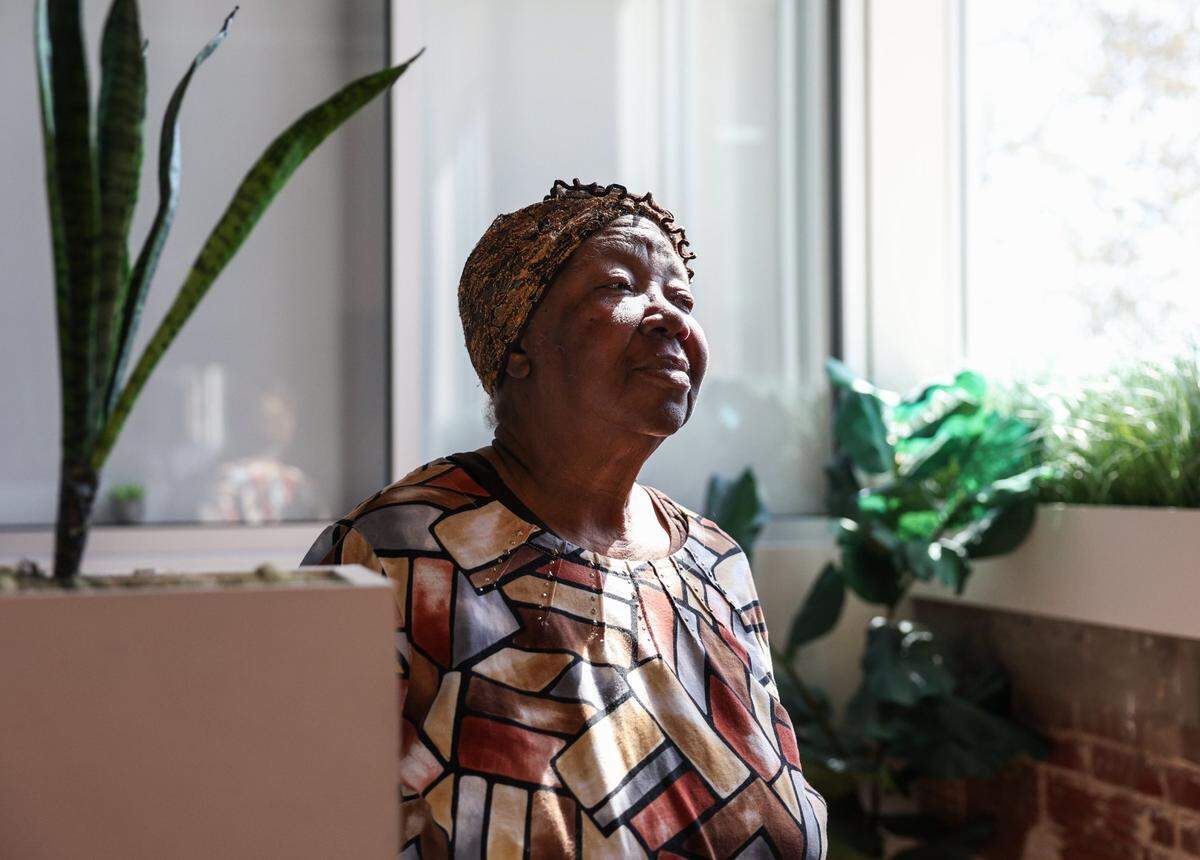
Last month, she gave a fiery, passionate speech in front of more than 1,000 people about the program she owes her quality of life to – Medicaid.
Since 2001, Clark has relied on Medicaid to help manage her diabetes, glaucoma, high blood pressure and asthma. The program allows her to get all her medications and in to see her doctors for very little cost.
Clark isn’t just upset and worried about what these cuts could mean for her, but for the millions of others in the state, young and old, who rely on this health care.
She knows how challenging it was to be without Medicaid – relying on Charlotte’s free clinics or just not going to the doctor at all.
“I remember those days you couldn’t go to the doctor. You had to doctor yourself.”
If Congress wants to make cuts, make them make sense — with the care and empathy you’d want for people you love, Clark says.
“Go in like a skilled surgeon,” Clark said. “Not a drunken sailor with a sword.”
Medicaid is the reason she’s able to live such a full, abundant life. As legislators mull their decision, she sends a message:
“Look out for North Carolina,” she said. “Your citizens need you.”
This story was originally published April 9, 2025 at 5:30 AM with the headline "As DC looks at Medicaid cuts, NC residents worry for their quality of life."