How much does antivenom cost? You may need it to treat a copperhead bite in NC
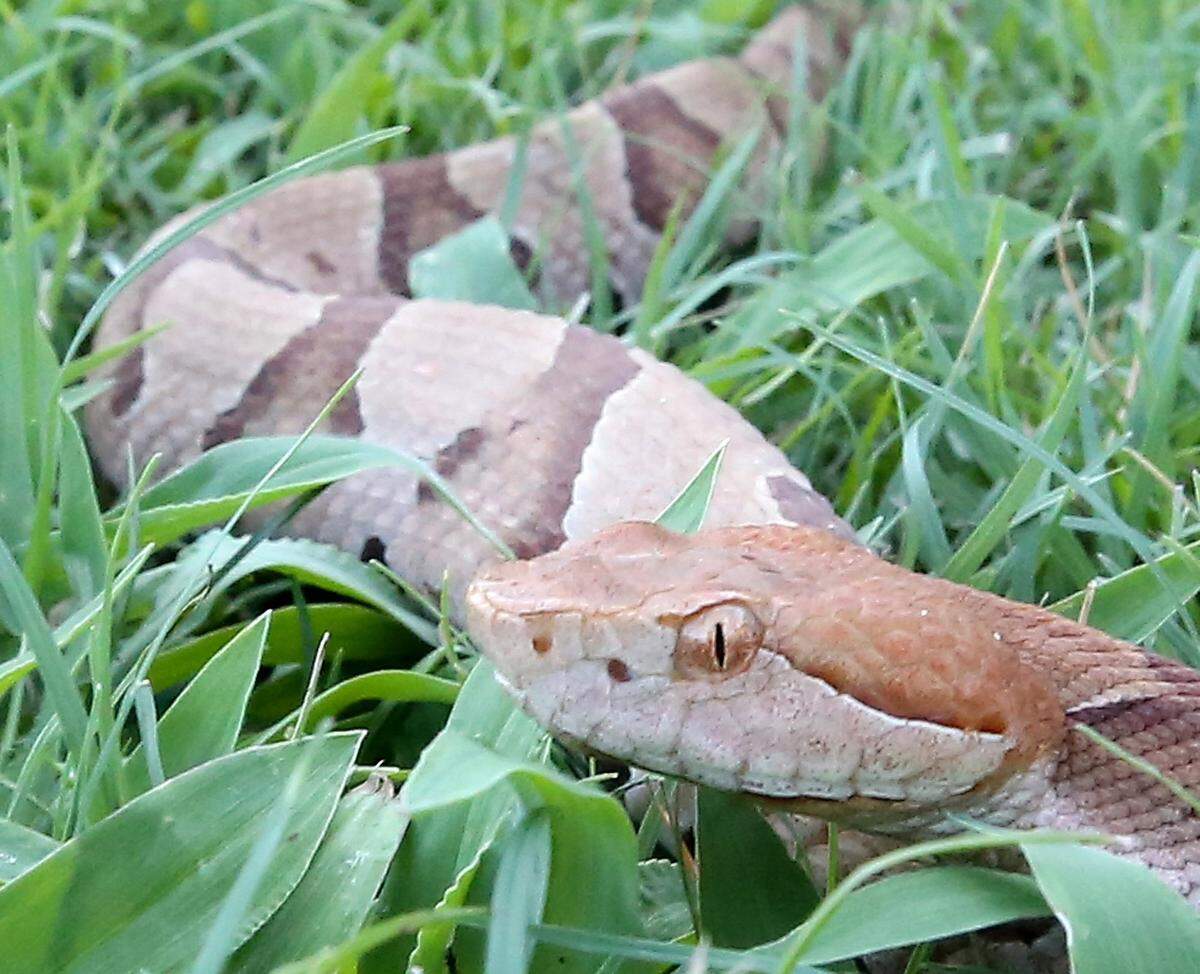
As copperhead snake sightings may become more common in spring and summer, the possibility for a bite increases, too.
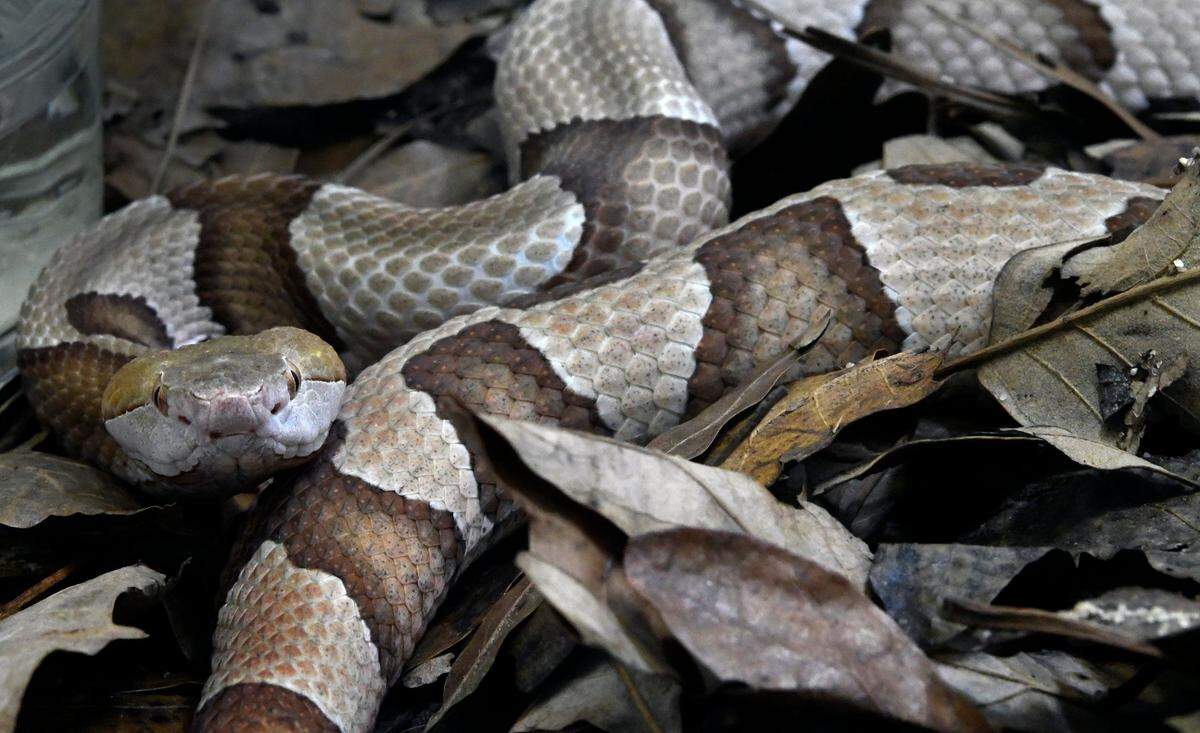
Bites from the snakes — the only venomous snakes likely to be seen in central North Carolina and the Triangle — are rarely fatal to humans. But antivenom, which can be used to treat copperhead bites, may be necessary or recommended to help with recovery.
Medical professionals and veterinarians alike say human or non-human patients should seek care after a copperhead bite.
But antivenom costs much more than picking up a container of over-the-counter pain medication from the drugstore.
If you do need to make a trip to a local hospital this year to get antivenom, here’s how much it could cost.
How much does antivenom cost in 2025?
The News & Observer contacted three Triangle health systems, UNC Health, Duke Health and WakeMed, to check antivenom prices:
- Duke Health: Around $9,700 per vial. A person’s out-of-pocket cost for antivenom would be well below the market price because “factors like insurance, ability to pay and charity care are all considered before a patient is billed,” Duke Health officials said in an emailed statement.
- UNC Health: $47,000-$77,000 for an initial dose of four to six vials. Most insurance plans cover antivenom, though, and people who are uninsured can “work with our financial navigators for assistance with payment programs that result in a significantly discounted cost,” Alan Wolf, UNC Health’s director of media relations, said in an email.
- WakeMed: $11,000-$14,000 per vial of CroFab antivenom, with a typical initial dose of between four and six vials. Out-of-pocket costs vary based on, for example, how much CroFab is needed, a patient’s copayment, coinsurance and deductible, and maximum out-of-pocket responsibility, WakeMed marketing and communications senior specialist Kristin Kelly wrote in an email.
Does insurance cover antivenom treatment?
Yes, most carriers, including Blue Cross Blue Shield, cover copperhead snake bite care and antivenom.
It is usually considered emergency care, and copays and deductibles apply, according to Blue Cross Blue Shield.
Why are snakebites expensive to treat?
Along with antivenom, patients may require other treatments:
- Strong pain medication: “An envenomated copperhead bite can come with impressively severe pain. There’s a significant amount of venom in the tissue, which is attacking and destroying it,” WakeMed’s Dr. Ben German previously told The N&O.
- Overnight stays at the hospital: A venomous snake bite is worst between 24 hours and 48 hours after the bite, so you may need to stay overnight at the hospital for treatment and observation.
- Lab work: Tests such as X-rays may add to the bill.
What to do if you are bitten by a snake
If you are bitten by a snake, you should:
- Sit down and stay calm. Keep the bite area still, and raise it to heart level.
- Gently clean the bite area with warm, soapy water.
- Take off any jewelry or tight clothing near the bite area.
- Call NC Poison Control at 1-800-222-1222
If the person bitten by a snake is experiencing chest pain, difficulty breathing, face swelling or has lost consciousness, call 911.
If you are bitten by a snake, do not:
- Cut or ice the bitten area.
- Apply a tourniquet or tight bandage.
- Suck on the bite or use a suction device to try to remove the venom.
- Try to catch or kill the snake.
Reporting by The News & Observer’s Kimberly Cataudella Tutuska contributed to this story.
This story was originally published April 15, 2025 at 1:35 PM with the headline "How much does antivenom cost? You may need it to treat a copperhead bite in NC."