Carpenter bees vs. bumblebees: How to tell them apart in NC this spring
Bee season is all the buzz in North Carolina.
Last week, we told you about carpenter bees, which are one of the most effective pollinators in in the state. Unfortunately, they can also leave behind holes in your deck when they build their nests.
However, there’s another pollinator important for crops and wildflowers that usually makes its first appearance during spring: the bumblebee.
Bumblebees, which are sometimes clumsy, usually live in colonies of up to 200 or more, according to NC State Extension.
But how can you tell them apart from carpenter bees? Here’s what to know.
Carpenter bees vs. bumblebees
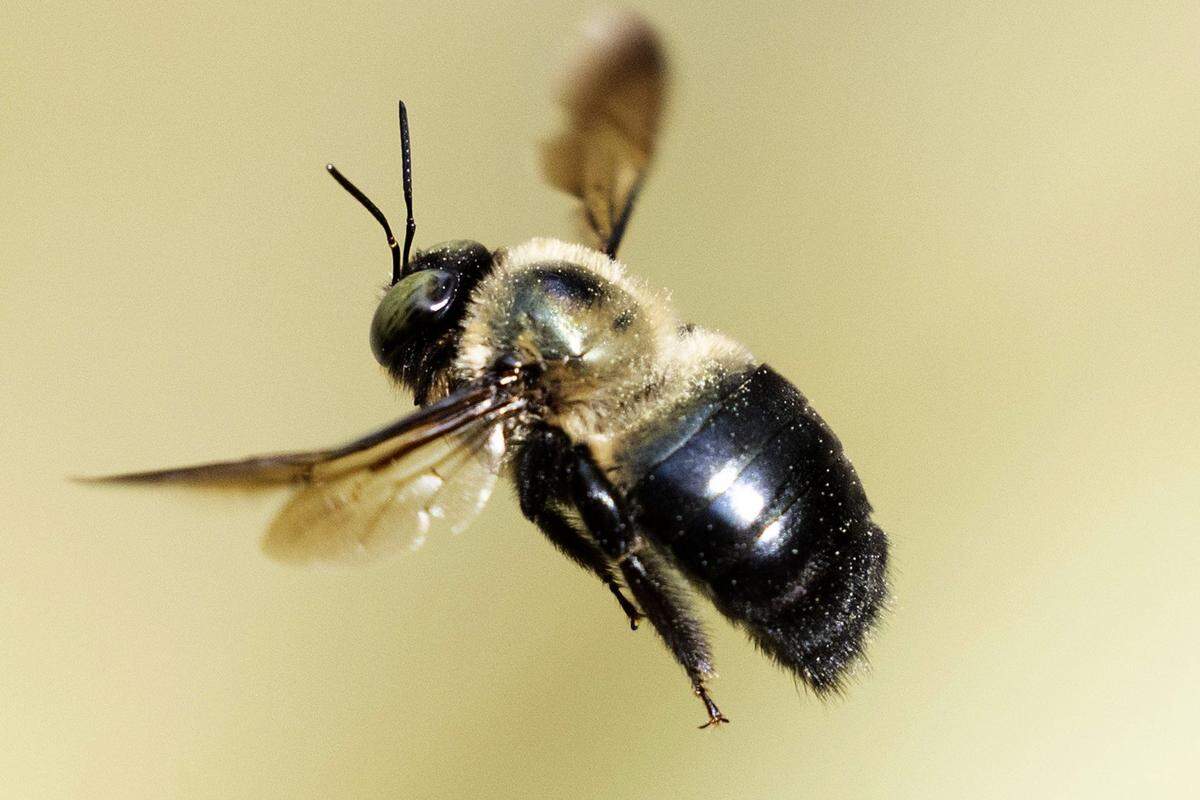
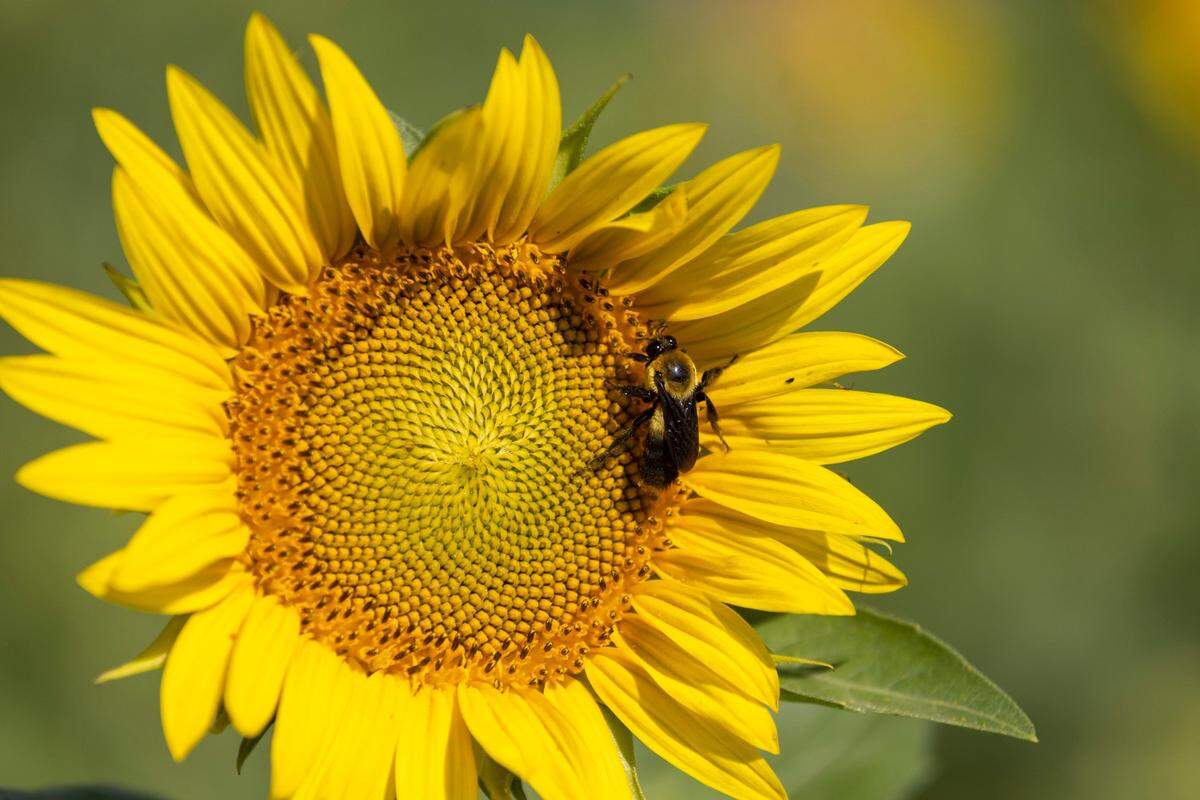
Carpenter bees have “shiny, iridescent, hairless” abdomens that can reflect blue, black and purple colors, while bumblebees aren’t shiny at all and look furry because they’re covered with hair, NC State Extension says.
Bumblebees also behave differently than carpenter bees. Male carpenter bees typically have a zigzag flight pattern and aggressively defend their territory, while female carpenter bees focus on stocking the nest with food.
“They love habitats that are safe and secure,” Chris Hayes, an extension associate of structural pest management at NC State University who specializes educating the pest management industry on critter habits, previously told The Charlotte Observer. “If there were no houses, they would do it in trees. Wood is the perfect environment for them.”
But bumblebees do not hover for long periods and are cautious around humans, NC State Extension says.
Do carpenter bees sting?
It’s unlikely that you’ll get stung by a carpenter bee.
Male bees can’t sting, and “the male carpenter bees are typically the ones you’ll see hovering around the air,” Hayes said.
Female carpenter bees won’t sting unless they’re confined in your hand or become highly agitated.
The same can be said for bumblebees: Female bumblebees can sting if they feel threatened, but they are typically less aggressive than other bee species, according to Charlotte-based A-1 Pest Control.
“Bumblebees contribute significantly to pollination without posing a significant threat to humans, making them valuable and non-threatening contributors to ecosystems,” the company says.
Do I have bumblebees nearby?
Bumblebees won’t leave holes in your deck or porch like carpenter bees, but if they’re near your home, their presence will be very apparent.
The most obvious indicators that bumblebees are nearby is if you spot them or hear a frequent buzzing sound, according to Terminix. The presence of a nest could also signal that bumblebees are nearby.
“Things to look out for include frequent sightings of large, slow-moving bees around your yard, garden, or near the ground can indicate an established colony nearby,” Terminix says. “Bumblebees produce a distinct buzzing noise while flying. If you hear this sound near potential nesting sites like under decks or within wall spaces, it may signal a nest inside.”
How to deter bees from your home
You can use these tips from Western Exterminator Company to keep bumblebees away from your home:
Avoid wearing or using flowery fragrances, such as floral perfume or cologne.
Use scents that deter bees around your home, such as peppermint, spearmint, eucalyptus and thyme.
Keep your food and drink covered, particularly soda cans.
Avoiding colorful clothing, swimsuits and towels will lower your chances of looking like food to bees.
Adjust the landscape around your home by adding mint or lemongrass plants, which can act as a powerful repellent.
Regularly check areas around the home for nests, as this is where bees may become aggressive and territorial.
How to get rid of bumblebees
Like carpenter bees, bumblebees are effective pollinators, and NC State Extension discourages killing them if you can avoid them.
But if they’re causing significant damage, the safest way to get rid of carpenter bees is to bring in a pest control professional — but there are methods homeowners can use to get rid of them.
Liquid and dust insecticides that contain pyrethroids, or synthetic insecticides derived from chrysanthemum flowers used for insect control, can be helpful for controlling bees, Hayes previously said — but you shouldn’t use them at the same time, since the dust needs to be dry to work.
This story was originally published April 16, 2025 at 4:21 PM.