Cockroaches can come into NC homes in spring & summer. How to keep them out
The weather is getting warmer in North Carolina, which means certain types of cockroaches could find their way in your home looking for food and water.
Other types of cockroaches, however, can be found inside your home state year-round.
But which cockroaches will you spot?
The Charlotte Observer spoke to Chris Hayes, an NC State University extension associate who specializes in educating the pest management industry, to find out which types of cockroaches you might see in your home, where you can find them — and how to make sure they choose other homes when sorting out their living situations.
Cockroaches in NC
The German cockroach is the most common type of cockroach found inside homes in North Carolina, and they can be spotted anytime of year, Hayes said, adding that the brown-banded cockroach can also be found in homes year-round.
Hayes said other types of cockroaches found in the state include the smokybrown cockroach, an insect that prefers warmer weather, and the American cockroach, typically common in urban areas.
Here’s a description of each cockroach, according to Orkin:
German cockroach: Measuring slightly below 1 inch in length, they have a pale brown color with two dark brown stripes located behind their heads, making them relatively easy to identify.
Brown-banded cockroach: Relatively small, reaching up to half an inch in length. One of their most distinguishing features is the two light yellow bands that run across their bodies, which are present in both males and females.
Smokybrown cockroach: Measuring up to about 1.5 inches in length, they have a shiny appearance and are uniformly a black, mahogany color. These roaches are often found in leaf litter and mulch, so their coloration helps to hide or camouflage them against predators.
American cockroach: The largest cockroaches typically found in homes, with adults growing up to 2 inches in length. They have a reddish-brown to brown coloration, adorned with distinctive light yellow bands around the shield-like area behind their heads.
Where are cockroaches usually found?
Smokybrown and American cockroaches can be found pretty much anywhere, Hayes said.
“They love to come in from the attic space,” Hayes said, referring to smokybrown cockroaches. “And if you didn’t clean your gutters and they’re filled up with leaves, they’ll love that too.”
“They do fly,” he added. “Typically they won’t colonize your house, but they will find their way in looking for water.”
Hayes also pointed out that, since American cockroaches can live in sewers, they can come into your house from the street or through cracked sewer piping.
German and brown-banded cockroaches can’t survive on their own outside, so they usually come in through a process called “hitchhiking,” Hayes previously told the Observer.
“If you’re in a standalone home, and you haven’t had German cockroaches before, and suddenly you find them, they likely came in on something that was brought into your home. It could be that it was an item you purchased from a thrift store. It could be that it was a box used to carry groceries home.”
German cockroaches can easily move within apartment buildings, Hayes said, meaning an infestation could travel to your apartment if they’re inside your neighbor’s unit.
How to tell if you have cockroaches
The most obvious sign that cockroaches are in your home is if you see one, Hayes said.
But if you don’t see them, there could be other signs — like poop.
“They’re tiny little pellets, and you’ll find them spaced out,” Hayes said. “You might see them in a cabinet or drawer, or in kitchens and bathrooms because they can find food and water.”
And you can’t mistake it for rat poop, since rat pellets are “much larger” while cockroach poop is “small and almost rectangular,” Hayes said.
Though it’s less common, any signs of small bite marks on food or plastic left out could indicate a cockroach infestation, Hayes said.
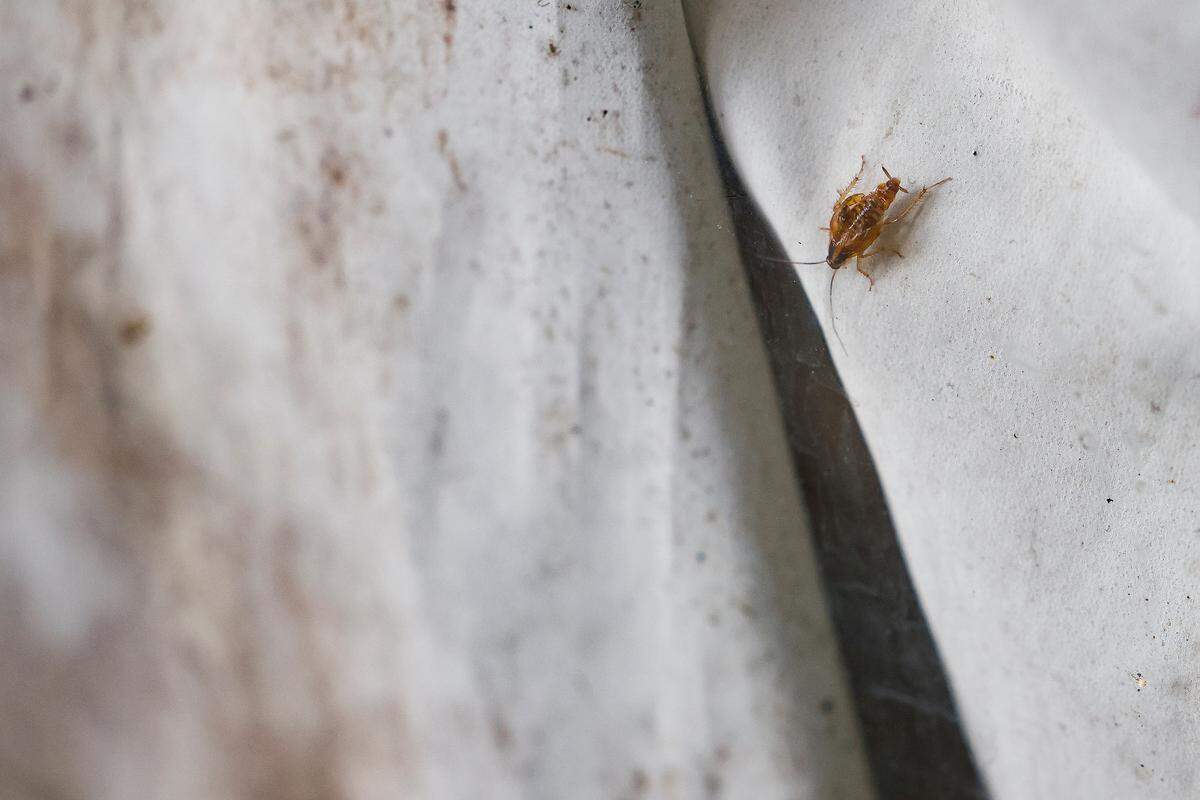
Are cockroaches dangerous?
Sometimes. German cockroaches are a major source of allergens inside the home, Hayes preciously told the Observer. These allergens can come from their saliva, shed exoskeletons and feces.
Hayes explained that German cockroaches live in “aggregations,” or little groups that hide in the same place where allergens can build.
“What we’re finding is that really high levels of those allergens in one area of the home can wind up in other parts of the home, even if there are not German cockroaches in those other places right now,” Hayes said.
“So that could be because of the air in your home moving around. It could be because you moved some furniture or something and stirred it up, producing these heavy allergens.”
According to the Asthma and Allergy Foundation of America, cockroach allergy symptoms include sneezing, runny nose, watery eyes and stuffy nose.
American cockroaches can also carry disease-causing bacteria, such as Salmonella and listeria, from the sewer to your home, Hayes said.
“That’s definitely not something you want in your kitchen and around your home,” he added.
How to get rid of cockroaches
It’s always best to contact a licensed pest control professional to handle cockroach infestations, Hayes said.
Bait and insecticide are also effective ways to control the German cockroach population in your home.
Bait is most effective when there aren’t any other food sources around, according to the NC State Extension, meaning dirty dishes and trash should be cleaned to prevent infestations. Cleaning spills quickly and identifying any other water sources, such as leaky pipes, can also be useful.
“We’ve seen some evidence that baiting actually will work even if there’s other food sources, because some of these baits that these companies make are so effective,” Hayes previously said. “However, the baits that professionals have access to are much more effective.”
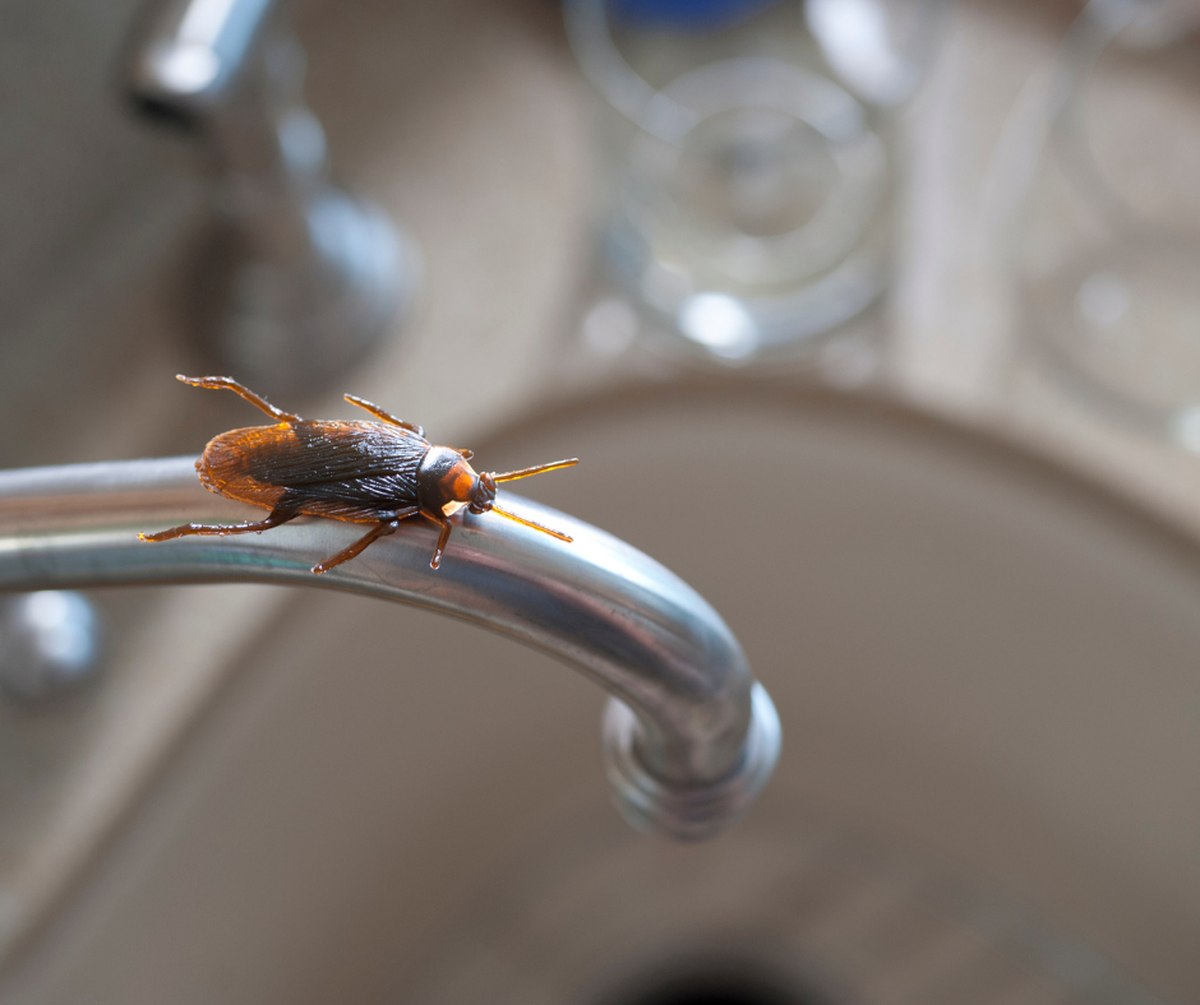
How to keep cockroaches out of your home
To keep cockroaches out of your home, Hayes said you have to “make sure your home is inhospitable to them.”
That means:
- Don’t leave any food out.
- Fix leaky faucets.
- Make sure doors, windows and any other openings to your home are sealed.
- Clean your gutters.
- Trim vegetation that is touching the foundation of your home.
“We want to try to prevent these highways that allow these pests to get in,” Hayes said.