NC poultry farms are free of bird flu, a greenlight to expanding exports
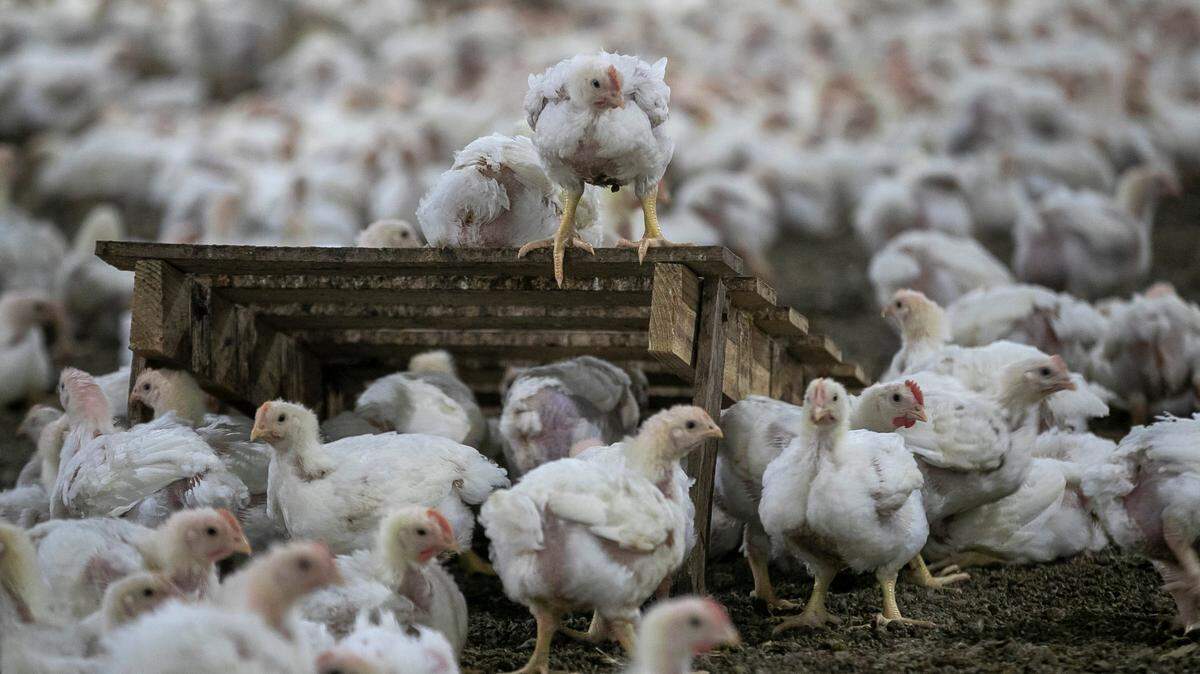
The World Organization for Animal Health this week declared North Carolina’s commercial poultry farms bird flu-free, lifting a months-long suspension of poultry exports, according to a N.C. Department of Agriculture release.
Since January, a High Path Avian Influenza outbreak in the state’s commercial poultry flock has stopped farmers from exporting and trading their birds to some foreign counties.
Perhaps the biggest market that closed was China, which buys chicken feet — or paws, as they are called — from growers in the state.
“This will help North Carolina poultry industry as a total a whole lot,” said Bob Ford, executive director of the North Carolina Poultry Federation. “I would say some of those shipments have been sitting on back order waiting.”
Ford said it was unclear when overseas shipments would resume, but now that the world organization has designated North Carolina’s commercial flock bird flu-free, nothing is stopping them from restarting.
The state exported about $347 million worth of poultry and poultry products last year, according to the agricultural department.
While North Carolina was barred from exporting poultry, other states filled the demand, said Jeffrey Dorfman, professor of agricultural and resource economics at North Carolina State University. But that’s not ideal, he said.
“In a year with a lot of turmoil in agriculture, it is nice to get some good news and for farmers to get some money in their pockets,” he said.
North Carolina bird flu outbreaks
North Carolina farmers suffered a trio of bird flu outbreaks in January, the only outbreaks to happen at commercial flocks so far this year.
The first outbreak happened Jan. 7 at a chicken egg farm in Hyde County. There, 3.3 million birds had to be killed or composted.
On Jan. 27, 1,856 turkeys had to be killed at a farm in Sampson County. And a day later, some 24,400 more turkeys had to be destroyed at a separate Sampson County farm, according to the agriculture department.
“Compared to other states, we’ve done a pretty good job of managing HPAI,” said Heather Overton, a spokesperson for the state Department of Agriculture.
By comparison, Ohio has had 78 infected commercial flocks this year, totaling more than 25 million birds, according to the U.S. Department of Agriculture. Pennsylvania has had 40 infected flocks totaling 7 million birds.
Poultry is king in NC
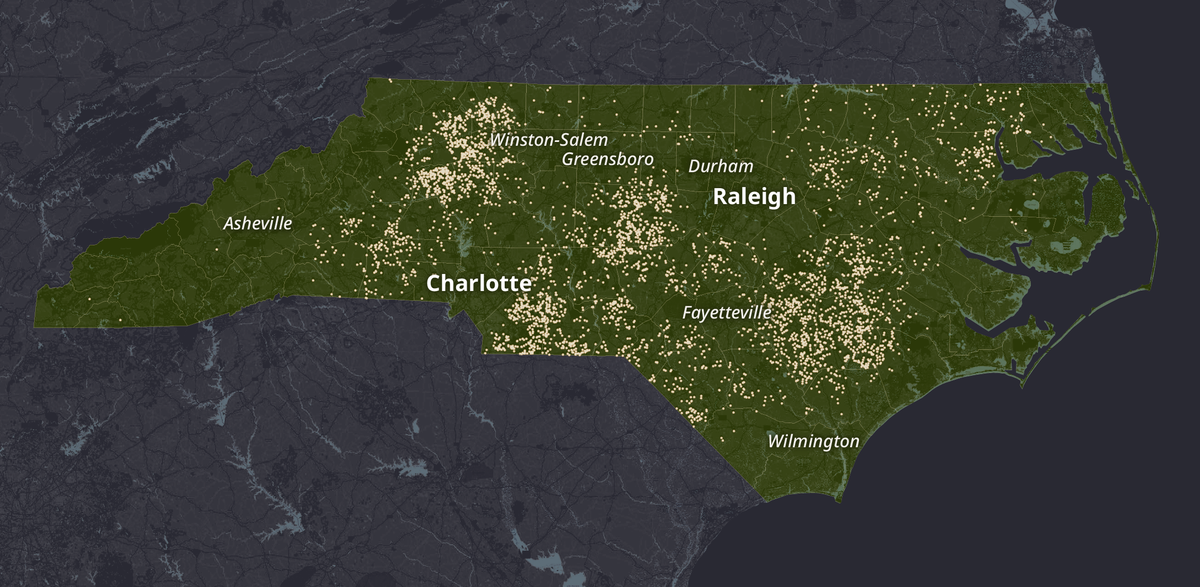
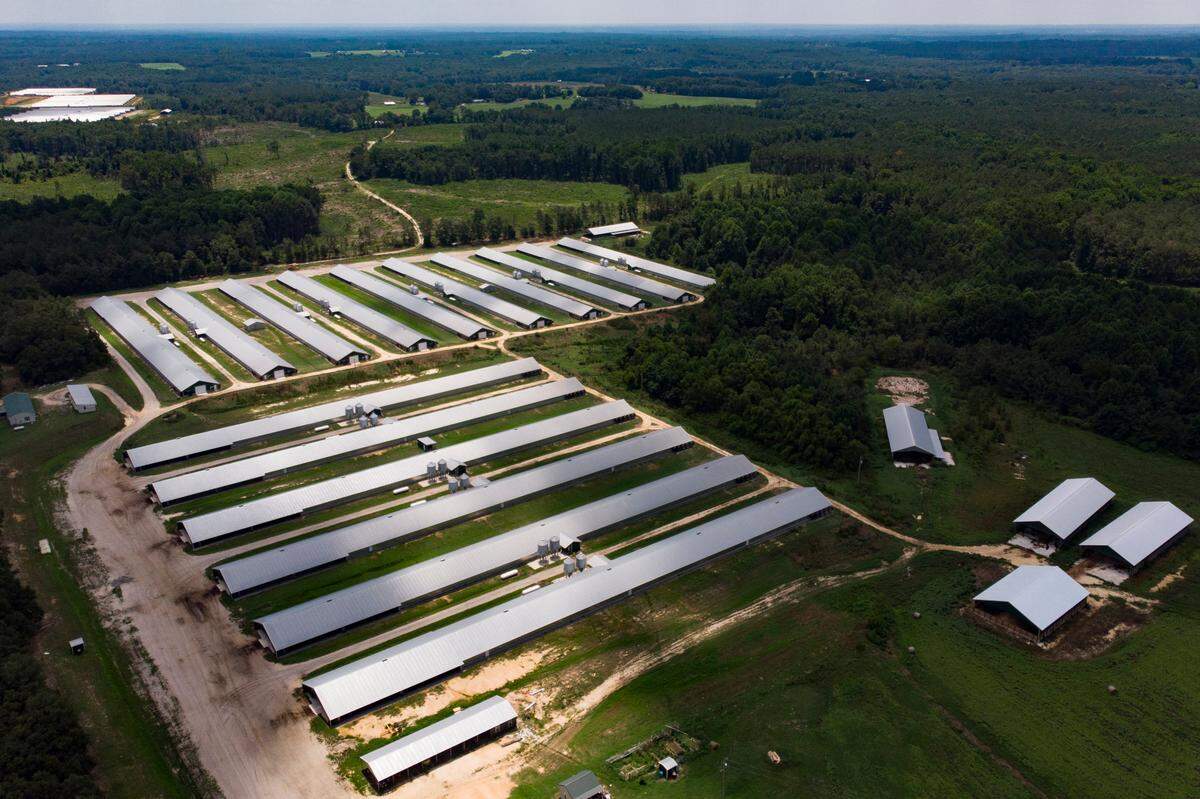
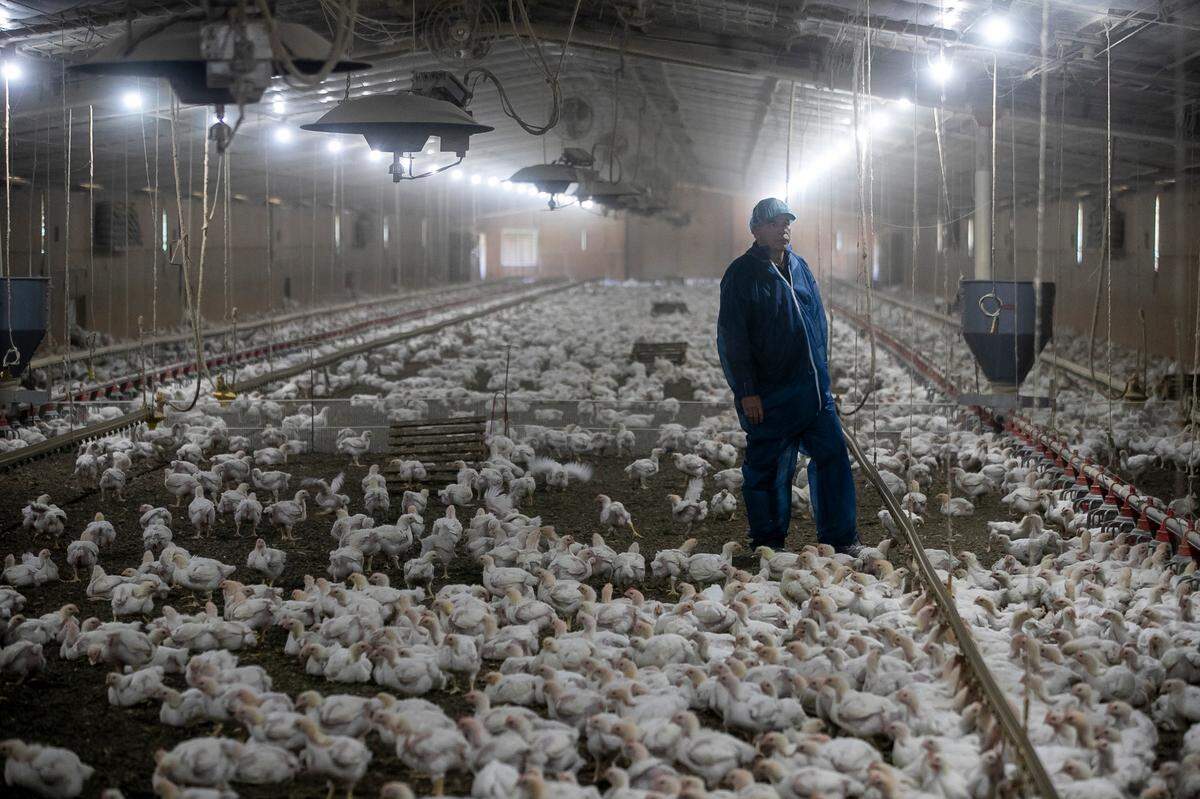
Thousands of farms raise chicken and turkeys for corporations in large, long and tightly packed barns across the state. Many farms sit just north or east of Mecklenburg County. Others stretch from north to south near Interstate 95 to the east.
North Carolina ranks first among all states in poultry and egg cash receipts, according to the agricultural department.
Farmers here raise about a billion birds per year, most of which are broiler chickens — or chickens raised for meat. Broiler chickens are the state’s top agricultural commodity, bringing in some $5.6 billion in cash receipts for farmers each year, according to the agricultural department.
This week’s declaration doesn’t mean there couldn’t be a new freeze on exports and international trade, Overton said.
North Carolina sits along a popular flyway for migrating birds, which can spread avian flu from farm to farm, says the U.S. Department of Agriculture. Farm equipment and workers can transport it too if they carry traces of infected bird manure or saliva into barns.
“Just because we have been declared HPAI-free does not mean that the risk of HPAI is gone,” Overton said. “As long as it’s in wild birds, there’s always a chance it can get into our own birds.”