Mentally ill and alone, they die by suicide in prison. Will reforms save others?
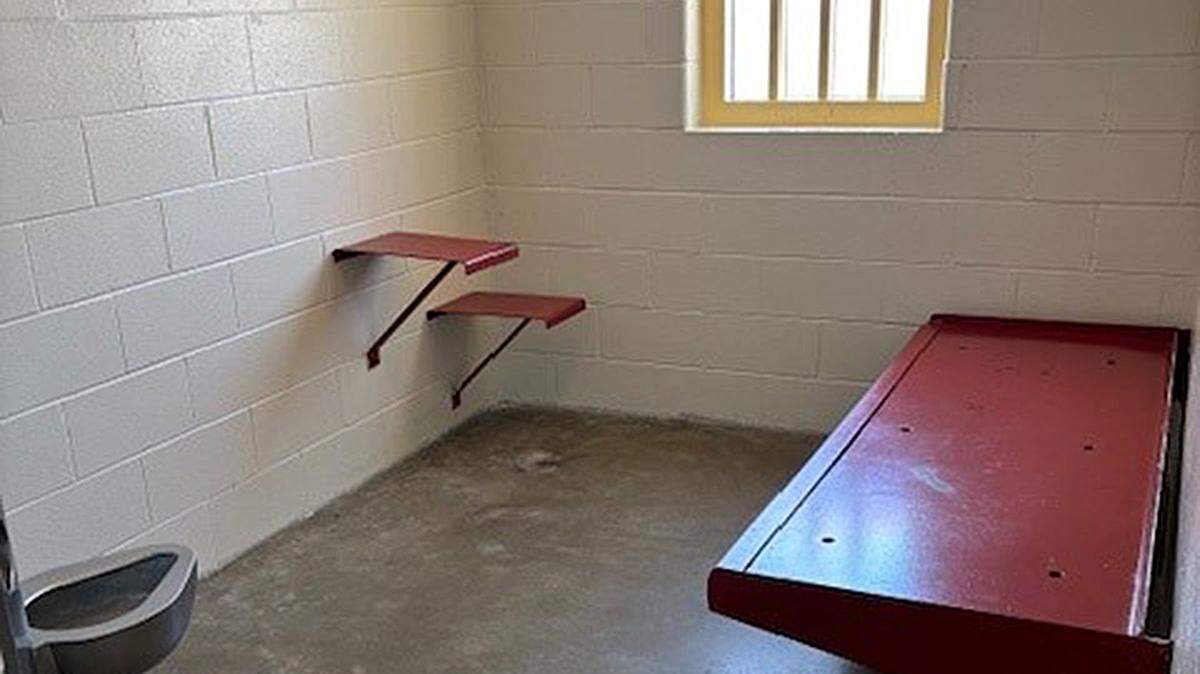
Locked in a solitary confinement cell with little more than a bed sheet, David Whittington did what several others have done in recent years. He grabbed the sheet, wrapped it around his neck and hanged himself.
Five days later, on Jan. 19, family members pulled Whittington off life support.
Whittington went to solitary confinement at a traumatic time. He was on suicide watch the week before and was just involved in an assault, according to prison records and a spokesperson for the North Carolina Department of Adult Correction.
State prison policy says inmates who are known suicide risks should be cared for by health services — unless no space is available there.
Solitary confinement can be a death sentence for inmates who struggle with mental illnesses, national experts in behavioral health and corrections say.
Since 2022, at least seven state inmates with known mental health problems died by suicide while in solitary confinement in North Carolina prisons, The Charlotte Observer has found.
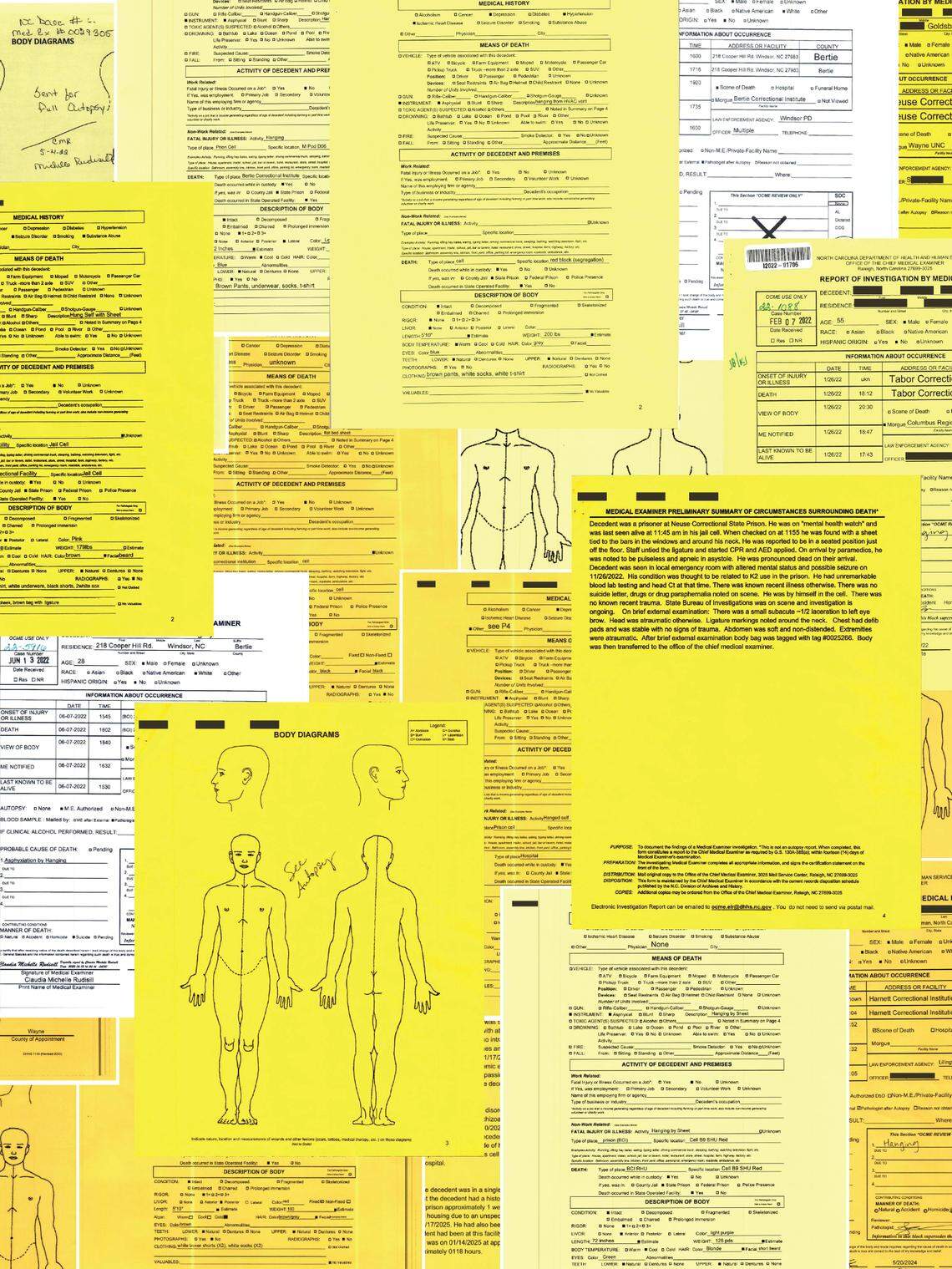
The number could be higher. Medical examiner reports, required when a person locked inside a state prison dies, don’t always reveal a person’s mental health diagnosis.
“I’m not a clinician, but you take someone with mental illness and place them in restrictive housing for 23 hours a day and let the demons chase them around in a cell, no good can come of that,” said Rick Raemisch, the former head of Colorado’s prison system.
In 2017, Raemisch led efforts to end Colorado’s use of long-term solitary confinement, also known as isolation or restrictive housing, making Colorado one of about seven states to eliminate or significantly cut back on long-term solitary. When it’s used too much, the punishment can be torture, he said.
Like Raemisch, Leslie Cooley Dismukes, who became secretary of the N.C. Department of Adult Correction in January, intends to cut back on its use, she said.
If she and her agency, which has operated with chronic staffing shortages for at least eight years, succeed, that could save lives, experts say.
Only a small portion of people incarcerated in North Carolina prisons end up in solitary confinement. About 5% of 31,767 inmates — or about 1,650 people — were in solitary on May 20, the state said.

Yet, since 2020, about half of all suicides the prison system reported occurred in solitary confinement cells.
This at a time when deaths by suicide in North Carolina prisons have increased in recent years, reaching record levels for the second time in 2024 when 13 men and women took their lives while locked inside.
Life in solitary confinement
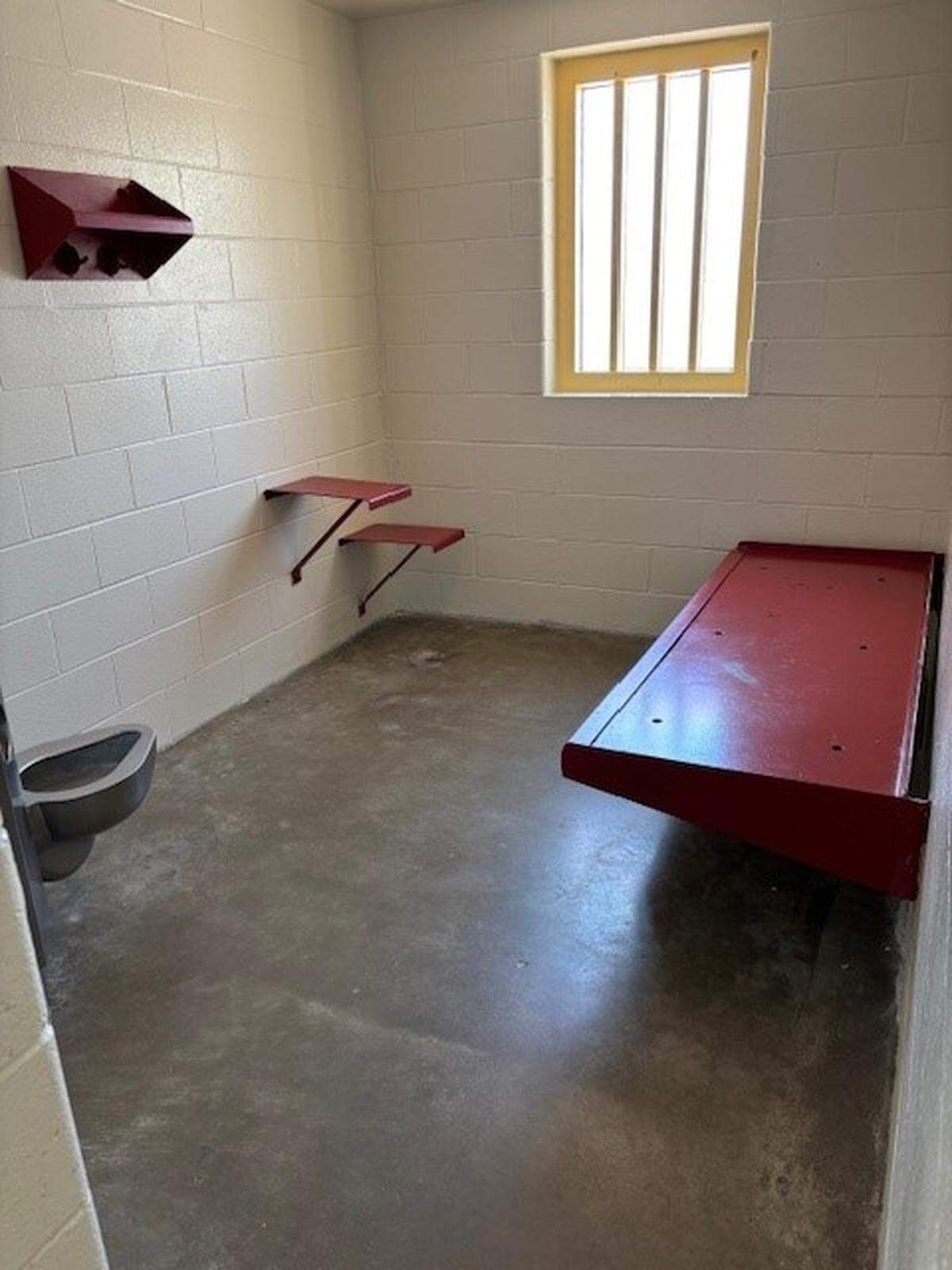
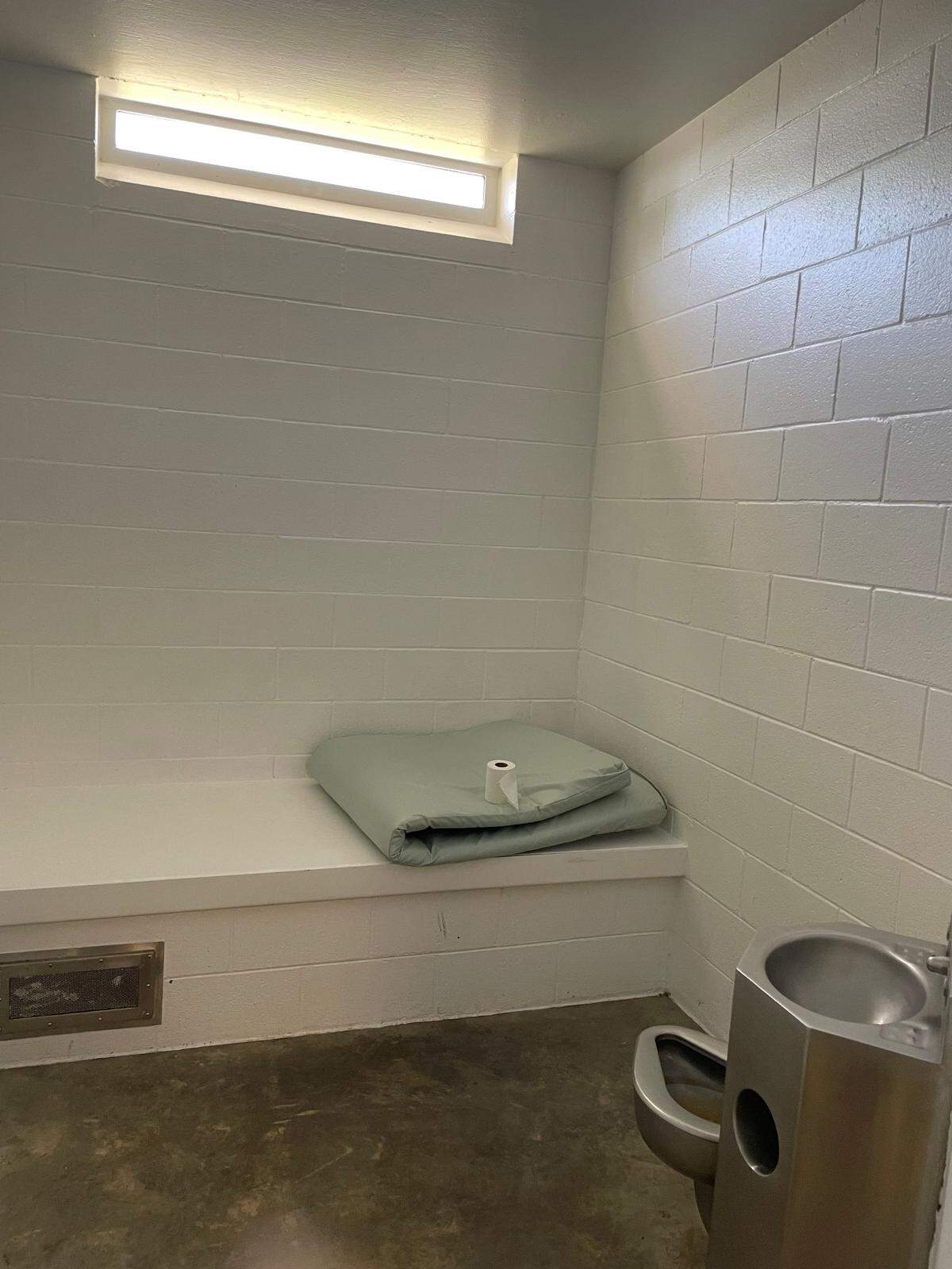
In solitary confinement, inmates spend nearly every minute of the day alone in a cell about the size of a parking space.
The cells are bare concrete spaces. They have windows obstructed by metal bars, a toilet with a sink on top of the tank, a shelf for small items and a concrete or metal slab and thin mat for a bed, correctional officers told the Observer.
A correctional officer is supposed to look into these cells at least twice per hourto check on people within, according to prison policies. Three times a day, officers slide a tray of food through a slot in the door. Those confined receive medication when needed.
When inmates leave — to shower or for recreation — they are often accompanied by an officer and have their hands cuffed, Keith Acree, spokesperson for the Department of Adult Correction, confirmed.

The number of solitary confinement cells fluctuate weekly, depending on the prison system’s needs, Acree said.
Some of these cells hold the state’s most violent people. But other inmates in solitary confinement are much less dangerous. They’re there because they talked back to officers, exposed themselves, were caught with drugs or needed protection from gangs, former officers and prison leaders said.
Despite state policies limiting the use of solitary in North Carolina prisons, there are “no guardrails” that keep officers from sending people to solitary confinement, said John Schwade, a retired prison psychologist at Granville Correctional Institution in Butner.
“It’s overused,” said Schwade, who worked in the prison system for more than 16 years until 2016. “If somebody is clearly the victim, he’s the guy with the bruises or had to get stitched up, there’s no reason to lock him up during an investigation.”
People with mental health problems are 30% to 60% more likely to be sent to isolation compared to inmates without those illnesses, according to a 2021 study in the American Journal of Preventive Medicine. This is often the punishment for behaviors that come out during mental health struggles, the study says.
No matter the reasons prisoners are in solitary confinement, prison leaders have a legal responsibility to protect inmates from harm, according to the 1994 U.S. Supreme Court case Farmer v. Brennan.
And some corrections experts insist it’s a matter of life and death that they do so.
Missed red flags
Identifying incarcerated people with known mental health diagnoses who killed themselves in North Carolina prisons while in solitary isn’t easy.
The state Department of Adult Correction does not release that information.
The Observer found a way by scouring multiple records that state officials do make public, starting with the names of 53 inmates who died by suicide in North Carolina prisons since 2020.
North Carolina medical examiners must investigate these deaths, and they sometimes cite a person’s mental health diagnosis in their reports. After finding those cases, the Observer used prison records to see which inmates were in solitary confinement when they died.
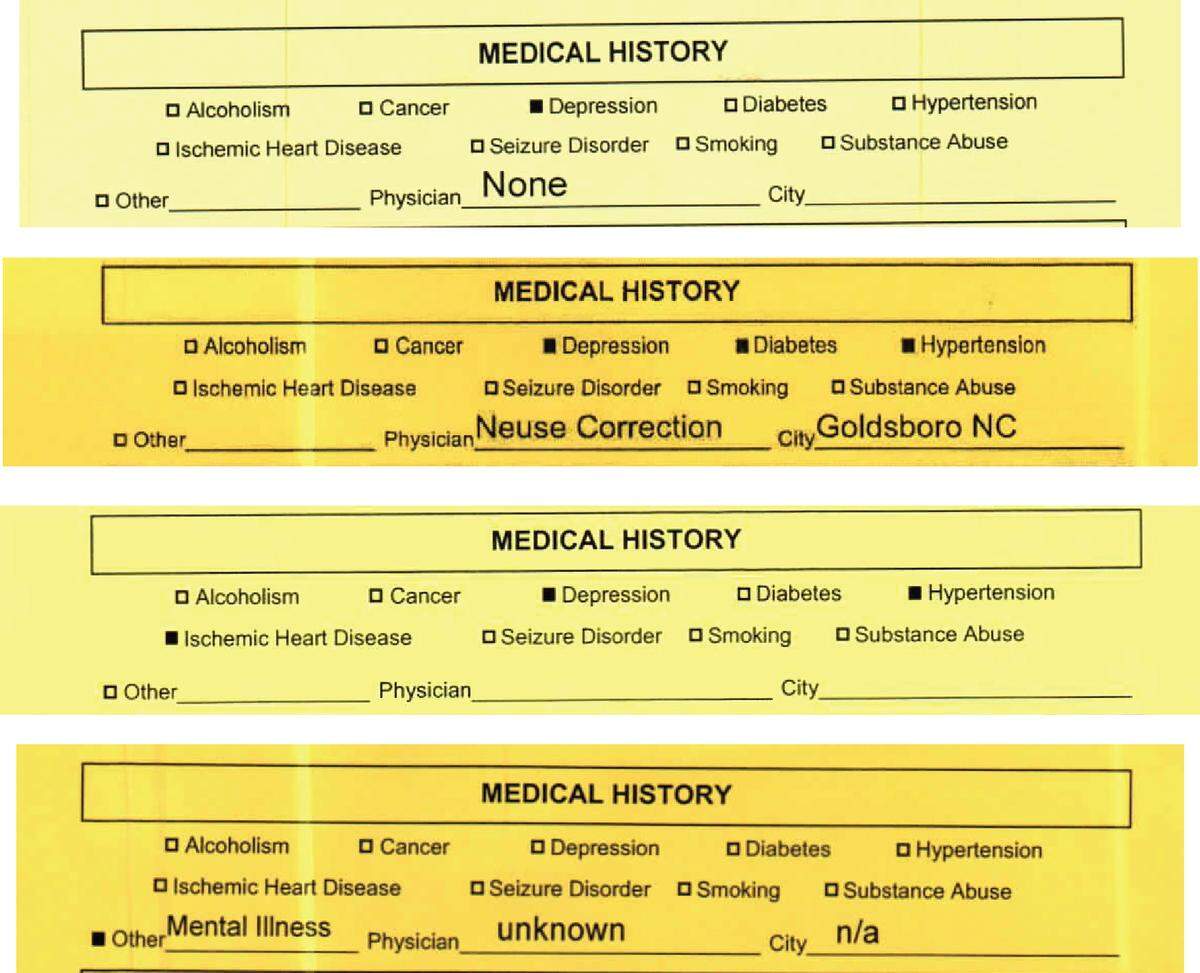
Frequently the only descriptions of the people with mental illnesses who perished in these cells were short, vague notes written by the medical examiners.
For example:
▪ May 2022: A 40-year-old man who suffered from depression and was undergoing mental health therapy was locked in solitary confinement at Bertie Correctional Institution for about five months before hanging himself. He was serving time for armed robbery and was scheduled to be released in April 2023.
▪ June 2022: A 28-year-old, who was threatened by gang members and had depression, hanged himself with a sheet three weeks after entering solitary confinement, prison records show. He, too, was at Bertie. The inmate’s mother told investigators that he had asked a prison mental health case worker for help, and the case worker might have seen him the morning he died, his medical examiner’s report states. The inmate was serving time for second-degree murder, prison records show. He was scheduled to be released in 2033.
▪ December 2022: A 36-year-old on “mental health watch” hanged himself with a sheet from the window bars of his cell three days after entering isolation at Neuse Correctional Institution. He was serving time as a habitual felon and was scheduled to be released later that month.
▪ September 2024: A 49-year-old man suffering from post-traumatic stress disorder and depression hanged himself with a cord and bed sheet a week after going to solitary confinement. He, too, was at Neuse. The inmate had been in and out of isolation 17 times since 2021, as he served time for assault with a deadly weapon with intent to kill, prison data show. He was scheduled to be released in 2043.
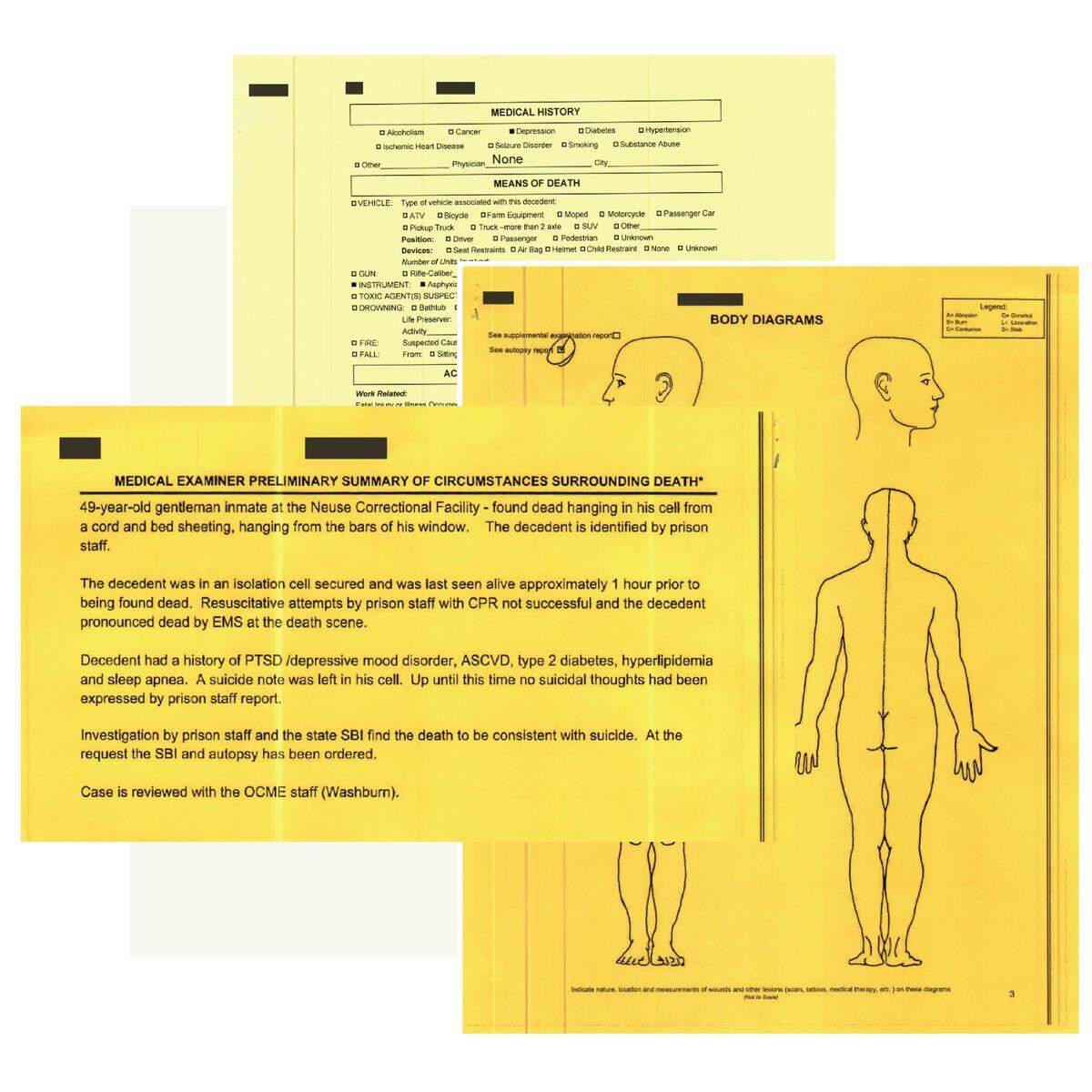
Even these scant details, sometimes typed, sometimes handwritten, reinforce one expert’s conclusion that these people needed care, not isolation.
“Several of these people had red flags for suicide risk that should have been recognized and properly responded to in order to ensure their safety,” said Luke Woollard, attorney for Disability Rights North Carolina.
The organization, which defends the rights of people with disabilities who are incarcerated, has called for reforms to reduce all suicides inside North Carolina prisons since at least 2022. Well-documented shortcomings in North Carolina’s community mental health services have contributed to some untreated mentally ill people landing in prison, it contends.
Disability Rights has emphasized the risks from solitary confinement, citing research showing how it can be mentally and physically harmful.
Sometimes correctional officers can be unaware of even severe mental illnesses among people in prisons, either because of a lack of communication with behavioral health staff or poor screening, said Schwade, the retired prison psychologist.
“Some of the sickest inmates I’ve ever seen slipped through the screening,” he said.
Working toward the Mandela Rules
Not long after Dismukes took over as the secretary of adult correction, she announced a potential change that inmate advocates cheered.
North Carolina, Dismukes said, would work toward implementing the Nelson Mandela Rules. The rules are named after the late South African president and anti-apartheid activist who was imprisoned for 27 years. They say solitary confinement should be used only as a last resort and limited to 15 days at a time.
The rules also say isolation should not be used when it will exacerbate problems for prisoners with mental or physical disabilities.
“Working toward implementing the Mandela Standards will help to promote successful rehabilitation and reentry of incarcerated people,” Dismukes wrote in an email to The Observer.
But, she stressed, she expects the state will keep solitary confinement for those who pose a risk to staff and inmates.
State prison officials have already reduced the number of inmates put in isolation and reduced the time inmates were held there, Acree said, which the Observer confirmed.
The number of times inmates were sent to solitary confinement dropped nearly 10% between 2020 and 2024, according to an Observer analysis of prison data. The average length of time in each stay in solitary also dropped, from 14.2 days to 11.6, the Observer found.
The prison system previously used solitary confinement as a main tool to discipline inmates, Acree said. Now, as discipline, they take away privileges, such as access to the canteen, where inmates can buy snacks and hygiene products.
But there are outliers who have spent months in isolation. One inmate, who is serving 18 years for murder, was in solitary confinement for more than 3.5 years straight between 2020 and 2023, data show.
Reducing solitary confinement is a good first step, experts say.
Isolation can cause or worsen mental illnesses, multiple studies about solitary confinement in prison have shown, including studies on North Carolina’s prison system that were co-authored by state prison leaders.
“Exposure to restrictive housing is associated with not only worsening mental health but also worsening physical health, including self-injury,” concluded research published in 2021 that looked at some 3,400 incarcerated people in North Carolina between 2016 and 2019.
Acree, the prison spokesperson,said research doesn’t always link solitary confinement to self-harm. He highlighted a 2022 study from Florida State University researchers that found “conflicting evidence on whether people, particularly those with preexisting mental health problems, have worse mental health during and after extended solitary confinement stays.”
But many researchers disagree.
One man’s mental illness and suicide
While information about people who take their own lives in solitary confinement in state prisons is limited, family members and state reports can fill in parts of their stories.
In David Whittington’s case, the prison system was aware that he had serious mental illness, including a failed attempt to kill himself previously.
Whittington, 25, grew up fishing, climbing trees and skateboarding in McDowell County, said his aunt Debbie Lambert, who still lives there.
He was sentenced to prison last year for assaulting a police officer. He hanged himself two days after his third stint in solitary confinement in January at Piedmont Correctional Institution in Rowan County.
But the psychological pain that pushed him to end his life haunted Whittington for years, according to a family member and a state medical examiner’s investigation.
Whittington suffered from bipolar disorder, schizoaffective disorder, substance abuse disorder, chronic auditory hallucinations, traumatic brain injury and depression, the medical examiner’s report says.
He regularly swallowed things, trying to “silence the voices inside of him,” the report states.
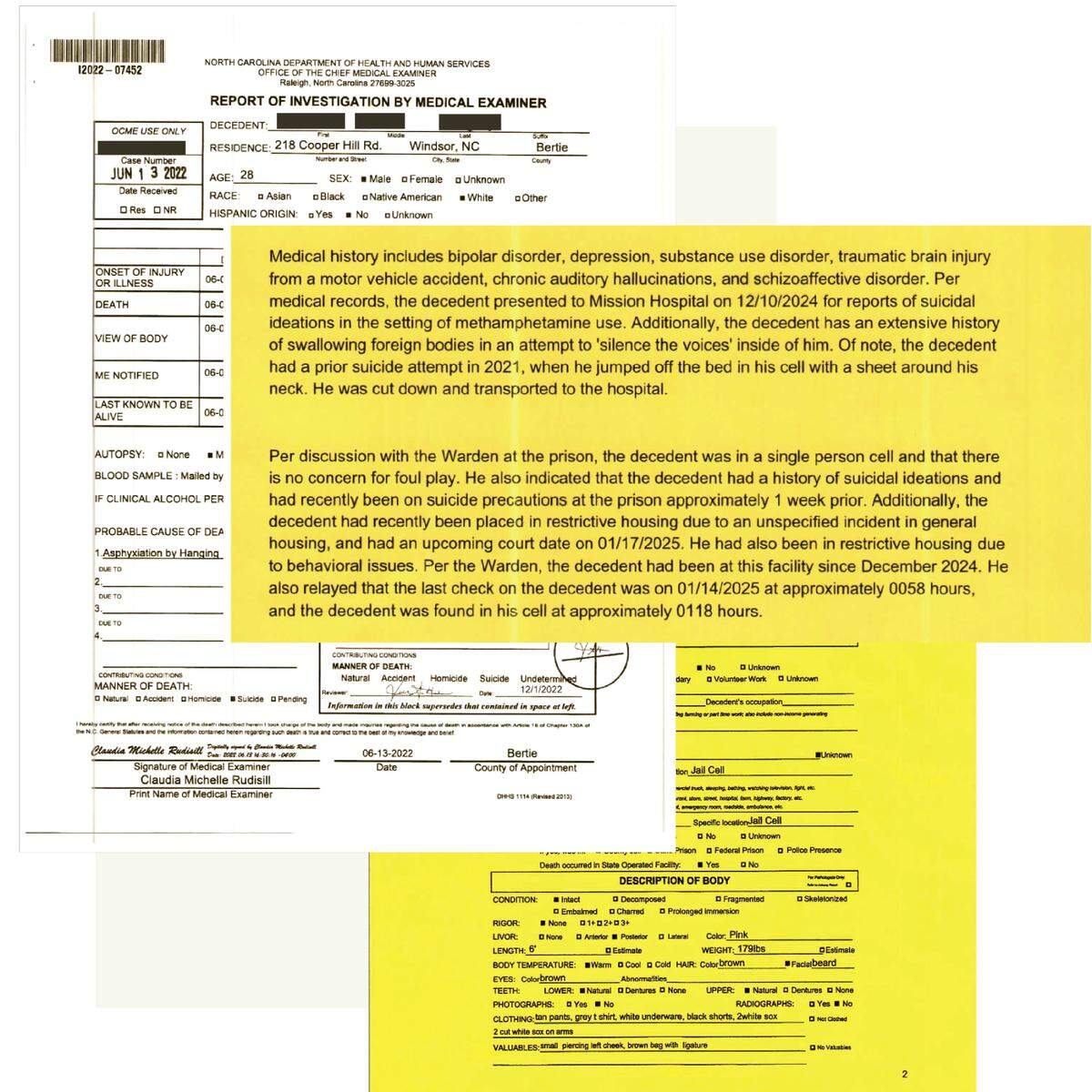
Whittington had tried to commit suicide in an unnamed North Carolina prison in 2021. That time, he tied a sheet around his neck and jumped from his cell’s bed. “He was cut down and transported to the hospital,” the report says.
Given that history, he should have been carefully monitored, his aunt said.
“They should have watched him more closely, especially since he tried to commit suicide before,” Lambert said. “It was in his records.”
An Observer reporter shared details of Whittington’s records with Lauren Brinkley-Rubinstein, who in 2019 co-authored a paper showing how stays in solitary confinement increases people’s risk of death following their release from prison.
“Someone who is so troubled and in such need of treatment, it’s hard to believe they could survive a minute in solitary confinement,” said Brinkley-Rubinstein, an associate professor of population health sciences at Duke University.
But during his multiple incarcerations in North Carolina prisons, Whittington was put in isolation 19 times, totaling nearly 300 days. His longest stay was 180 days in 2019 to 2020, prison records show.
By the end of last year, he was in crisis.
In December 2024, officers took Whittington to a hospital after he talked about killing himself, his medical examiner report says.
He was placed on suicide watch the week before he was found unresponsive in a cell.
Prison policy states that inmates who express suicidal thoughts should be under the care of behavior health specialists, “not in a restrictive housing area, unless a Behavioral Health Restrictive Housing Unit is not available at the facility.”
It also says those diagnosed with serious mental illnesses, such as psychotic, bipolar or major mood disorders, should not be in solitary confinement for more than 30 days at a time.
Whittington’s final stay in solitary was due to an “unspecified incident in general housing,” the medical examiner report says.
Acree, the spokesperson, said Whittington was placed in isolation following an assault. His time on suicide watch had ended, allowing him to be placed in solitary confinement, Acree said.
In a lengthy written statement to the Observer, Acree said that people with serious mental illness who arrive at a state prison are identified and closely observed by staff.
“Each suicide in our facilities is a tragedy. NCDAC’s approach to suicide prevention is an interdisciplinary effort toward early detection, intervention, and treatment,” he said.
A prison within a prison
Jean Casella, director of the anti-solitary watchdog group Solitary Watch, calls such confinements “a sentence worse than death.”
The cells are so small that inmates who stay years in solitary sometimes lose their long-distance vision, Casella said.
The cells can be loud, from inmates kicking their doors and yelling, that some stuff toilet paper in their ears to sleep, said Raemisch, the former head of Colorado’s prison system.
And the smell can be even worse, as inmates with serious mental health issues sometimes cover walls with their feces.
Use solitary confinement too much and it becomes torture, according to the Mandela Rules, which were adopted by the United Nations General Assembly in 2015.
“We call it a prison within a prison,” said Jessica Sandoval, national director of Unlock the Box Campaign, a group working to end solitary confinement. “North Carolina could be a leader. You could take what is a pretty awful prison system and make a change.”
But even as North Carolina prison leaders have cut back on solitary confinement, inmates — including some of the most vulnerable — continue to land in isolation, state records show.
A call for help?
In at least one case The Observer documented where a person with mental illness died by suicide while in solitary, the man may have asked for the sort of help that advocates say people with mental health struggles need.
Erik Ramsey went to prison in December 2023 for armed robbery in Mecklenburg County.
Ramsey, who grew up in Iredell County, suffered from schizophrenia and bipolar disorder, said Regina Quick, Ramsey’s stepmother.
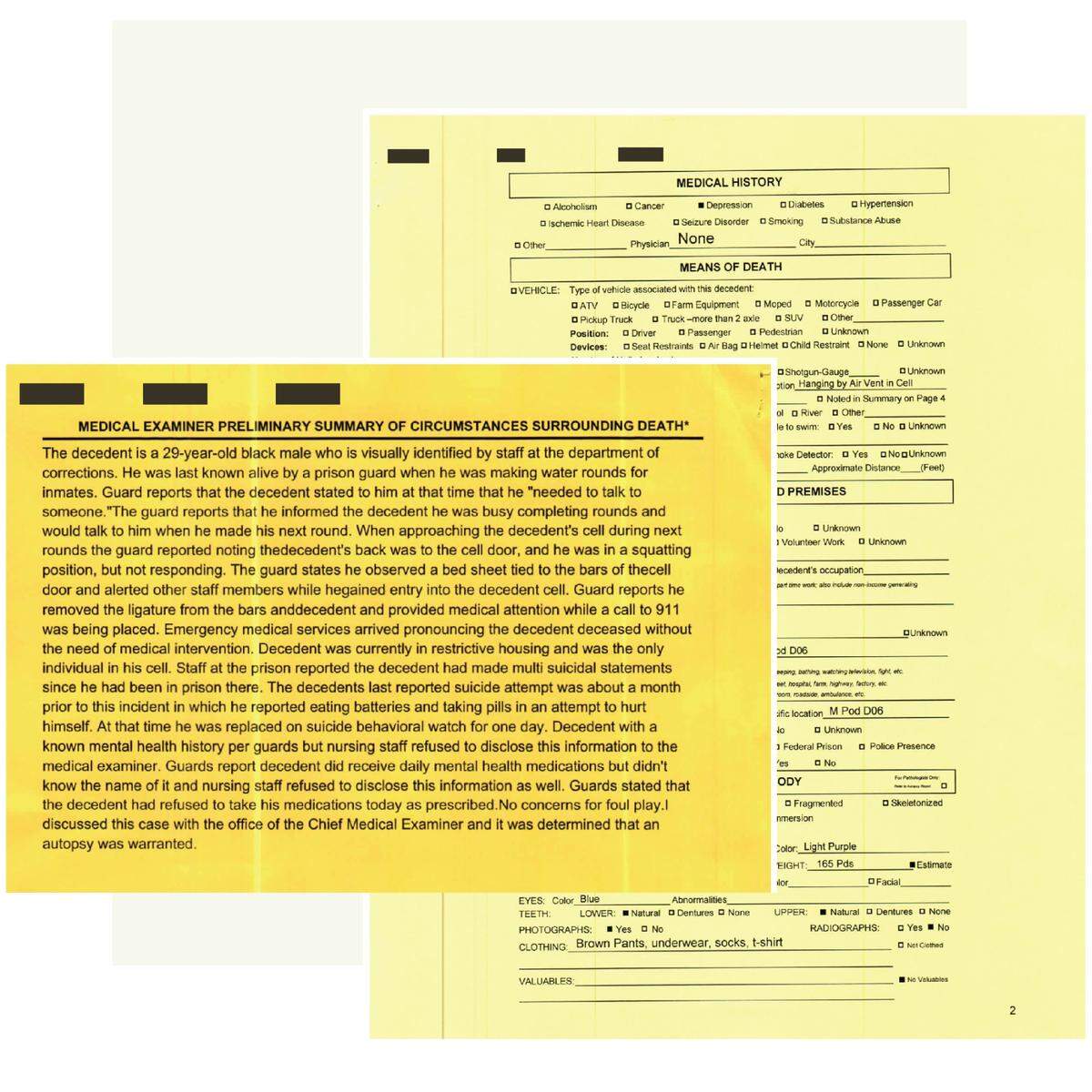
He threatened to kill himself multiple times and tried to hurt himself by eating batteries and taking pills, according to a medical examiner’s report about his death, which noted he had “mental illness.”
Between February and May of last year, Ramsey was sent to solitary confinement six times for nearly 70 days total, department data show.

On May 4, around 10 p.m., Ramsey told an officer at Harnett Correctional Institution north of Fayetteville that he “needed to talk to someone,” the medical examiner’s report states. The officer told Ramsey he was busy and would be back, the report states.
About an hour later, an officer found Ramsey in a squatting position, dead. A bed sheet was wrapped around his neck and tied to the bars of his cell door.
“He was probably having mental health problems and couldn’t deal with it,” Quick said. “The officer should have checked on him.”
EDITOR’S NOTE: If you or someone you are concerned about is at risk, contact the National Suicide Prevention Lifeline by texting or dialing 988. Or call 1-800-273-TALK. The National Alliance on Mental Illness North Carolina also offers virtual support groups and programming across the state.
This story was originally published May 29, 2025 at 5:30 AM.