Changes at Hatteras Inlet leave Ocracoke ferry terminal exposed to the sea
AI-generated summary reviewed by our newsroom.
- Hatteras Inlet widened from 0.25 to 2.5 miles, trip times nearly doubled.
- Erosion damaged Ocracoke ferry terminal, forcing loss of staging areas.
- NCDOT built a bulkhead in 2019, but ongoing exposure threatens infrastructure.
In few places has the topography of the Outer Banks changed as dramatically as at Hatteras Inlet.
The body of water that connects Pamlico Sound with the Atlantic Ocean, and separates Ocracoke and Hatteras islands, was a quarter-mile wide 40 years ago. N.C. Department of Transportation ferries crossed the inlet in about 30 minutes.
Now the inlet is 2 1/2 miles wide, and because of shifting shoals of sand, the ferries must follow an indirect route that takes 70 minutes.
NCDOT’s Ferry Division has put together a time-lapse video of satellite images showing how the inlet opening widened from 1984 to 2016. The News & Observer extended the video to 2020.
“You can see the change that’s taken place, and it’s drastic,” says Jed Dixon, the division director.
The widening of the inlet has left the ferry terminal on the north end of Ocracoke Island, known as South Dock, more exposed to the Atlantic Ocean.
By 2018, waves had eroded the beach in front of the terminal and began taking chunks of the teardrop-shaped “stacking lanes” where cars and trucks waited to board the boats. Erosion also threatened the basin where the boats dock.
The next year, the N.C. Division of Coastal Management granted NCDOT an emergency permit to build a 1,000-foot-long concrete bulkhead to protect the boat basin. The bulkhead remains in place, though much of the sand placed behind it has been washed out.
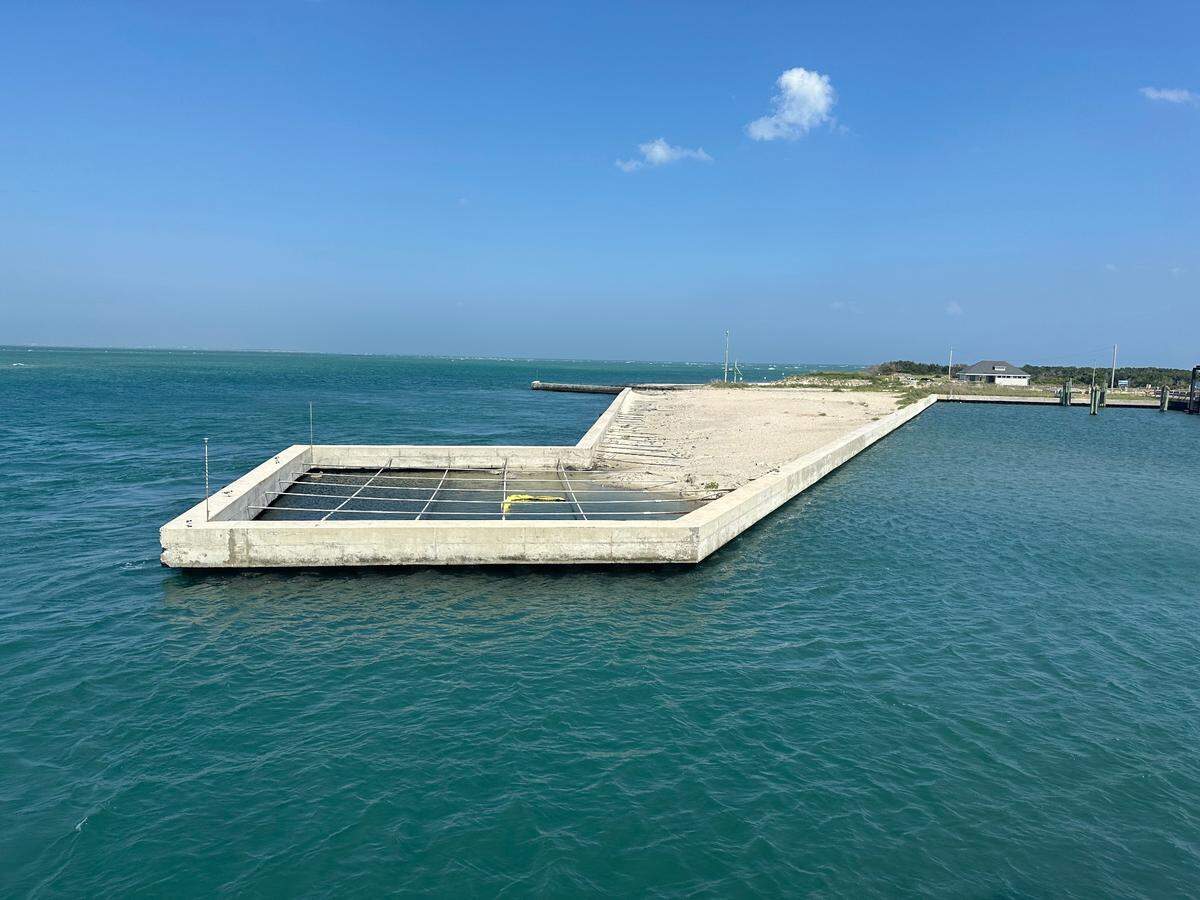
The bulkhead wasn’t long enough to shield the stacking lanes, and the pavement continued to disappear, as did the drain field for the restroom septic system. NCDOT had to abandon the staging area for cars, which now line up out on the highway. And waste from the restroom septic system must be pumped out regularly and trucked away.
.png "South Dock (1).png")
This story was originally published June 11, 2025 at 5:00 AM with the headline "Changes at Hatteras Inlet leave Ocracoke ferry terminal exposed to the sea."