Cool weather in NC drives bird migration. Here are the kinds you might see
AI-generated summary reviewed by our newsroom.
- Cooler weather in NC drives fall migration of millions of birds through October.
- Songbirds like warblers and orioles peak in September; sparrows arrive in October.
- Conservationists urge turning off lights and using native plants to aid migrating birds.
Millions of birds are expected to fly across North Carolina in coming months, as the migratory animals fly south for the winter.
Fall migration starts in August and typically lasts until the middle or end of October, depending on the species of bird, Curtis Smalling, executive director of Audubon North Carolina, told The News & Observer in a phone interview.
But the timing of birds’ flight is tied to weather, especially for birds that travel at night.
Air behind a cold front travels in the same direction that birds fly during the fall migration, and temperatures have been noticeably cooler across North Carolina this week.
“The birds that are going to migrate take advantage of that,” Smalling said. “It’s a lot more energy efficient.”
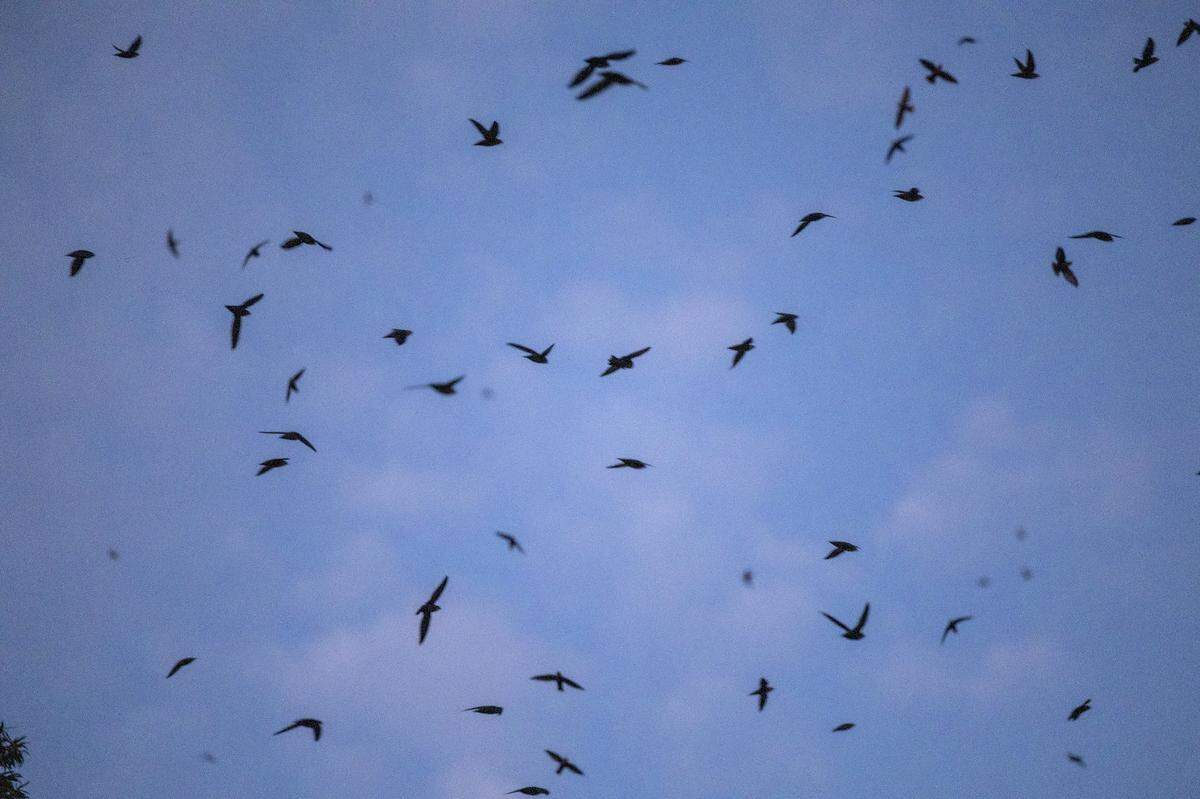
How many birds are migrating in NC?
BirdCast’s migration dashboard, managed primarily by researchers at Cornell University, Colorado State University and the University of Massachusetts Amherst, shows how many and which kinds of birds are flying over areas each night.
Here’s how many birds are estimated to have crossed counties in the Triangle and Charlotte areas the night of Tuesday, Aug. 26:
- Johnston County: 71,100
- Wake County: 64,800
- Chatham County: 62,700
- Union County: 60,100
- Mecklenburg County: 52,600
- Cabarrus County: 43,400
- Gaston County: 43,000
- Orange County: 43,000
- Lincoln County: 39,400
- Durham County: 36,700
Statewide, BirdCast estimates that 602,900 birds crossed North Carolina on Tuesday night.
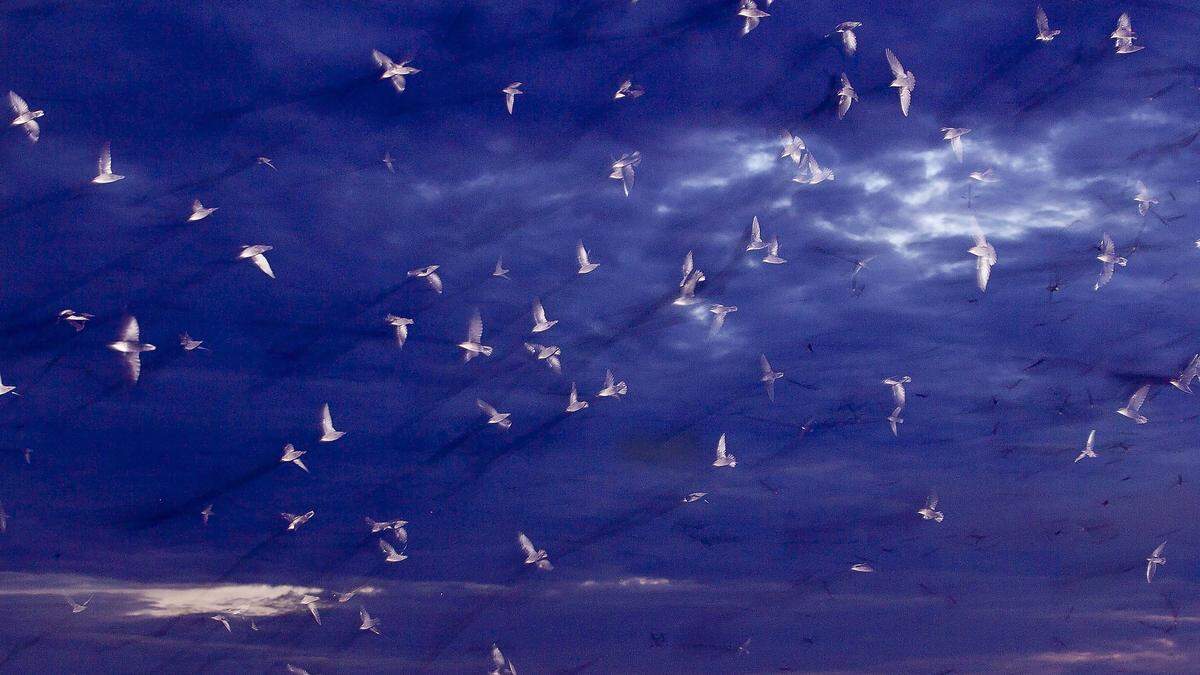
Which birds migrate
“It’s not uncommon to see species that you normally don’t see, the birds that have been breeding all summer in the boreal forest of Canada,” Smalling said.
Robins, warblers, wood thrushes and orioles are among the winged creatures that will pass over the state this fall, Smalling said.
Migration of many songbirds peaks in September, Smalling said, and backyard hedgerows can attract a variety of birds such as tanagers and orioles. In October, sparrows, including the white-throated sparrow, become more common.
Chimney swifts also migrate, and “swift night out” events often draw crowds in the fall.
Does climate change affect bird migration?
The effects of climate change may have an impact on bird migration, Smalling said. For example, if a winter has been drier or warmer, birds may not have the strength to migrate when they should — when resources are abundant.
“If a bird is two weeks late, they might miss that super abundant food source, or maybe they’re too early, or whatever,” Smalling said. “But that kind of messing up of the synchronization of that stuff does appear to be an effect of climate change that’s not easily fixed.”

How to help migratory birds
Smalling outlined several tips to help birds as they migrate across North Carolina.
- Turn lights off at night, including interior lighting and exterior decorative lighting.
- Bird baths can help birds with feather maintenance or provide drinking water.
- Some birds eat from feeders.
- Keep cats indoors.
- Keep yards tidy to deter bird predators including raccoons or possums.
- Use native plants, which attract food sources for birds.
“Even if you live on a third-floor condominium, putting out a pineapple sage in a pot will attract migrant hummingbirds, give them a meal on their way,” Smalling said.
This story was originally published August 28, 2025 at 2:56 PM with the headline "Cool weather in NC drives bird migration. Here are the kinds you might see."