
Large Asian spider with bite like bee sting found in Smoky Mountains, park says
An invasive spider with a bite that feels similar to a bee sting has found its way into Great Smoky Mountains National Park, according to the National Park Service.
Joro spiders originated in East Asia but were introduced into the country via Georgia and have been “steadily spreading north,” the NPS reported in Aug. 28 Facebook post.
“These large orb-weaving spiders are striking to see, but they pose a challenge: as they move into new areas, populations of native orb weavers have been shown to quickly decline due to competition,” the National Park Service reported. “In Great Smoky Mountains National Park, most sightings have occurred in and around Cades Cove.”
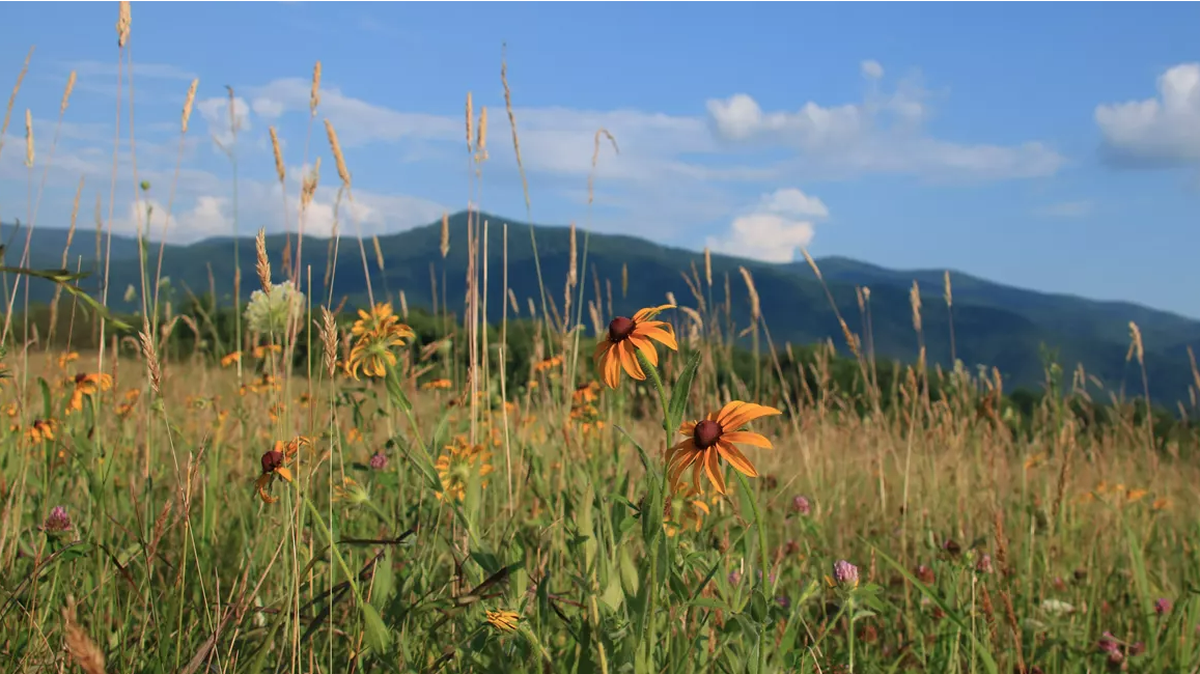
The cove is among the most popular sites in the park, with an 11-mile loop road that takes drivers through “a scenic valley surrounded on all sides by mountains.” It is on the Tennessee side of the 522,427-acre park, which straddles the North Carolina state line.
Park visitors are now being asked to report Joro spider sightings and provide photos via the iNaturalist app.
“Observations will provide valuable data to help us better understand and manage this invasive species,” the park says.
The species, which is not considered dangerous, hitchhiked on shipping containers to Georgia and were first found in 2014, and they have slowly spread to neighboring states, according to the North American Invasive Species Management Association.
Adult females are the larger of the two sexes and can reach more than 3 inches across, including their legs, the association says. Their striking appearance includes “bright yellow stripes on a silver or gray background.”
The have tiny fangs, and human bite victims have likened the feeling to “a cross between a mosquito bite and bee sting,” the association says.
“They do have a neurotoxin venom used to immobilize their prey, however it is not very potent and only causes some redness and blistering to people, with exception of allergic reactions,” the University of Georgia Extension says.
“Despite their large size and bright coloring, these spiders cause very little risk to people. The largest nuisance they cause are there very strong webs that they spin on lower hanging tree limbs.”