
‘Unpredictable’ animals breeding in Smoky Mountains may charge at cars, park says
Hungry bears are typically a source of concern in Great Smoky Mountains National Park, but a new warning has been issued to avoid getting within 50 yards of the majestic elk.
It’s elk breeding season, known as the rut, and nothing short of a tank will stop males from charging if the mood strikes, experts say.
“The rut can be exciting to witness, but it can also be dangerous, as elk are especially unpredictable during this time,” the National Park Service wrote in a Sept 16 news release.
“During the rut, male elk (bulls) experience heightened testosterone levels and are more likely to exhibit defensive behavior as they compete for dominance. Bulls will charge or challenge anything they perceive as a threat, including people and vehicles. Additionally, female elk (cows) remain protective of their calves, adding to the overall stress amongst elk herds.”
.png "unnamed (1).png")
The possibility of being injured by a 900-pound charging elk is a relatively new threat at one of the nation’s busiest national parks.
Elk all but vanished from the park during the 1900s, and a project to re-introduce the species began in 2001 with the released 25 elk to the region, the NPS says.
“Today, these majestic animals once again roam the North Carolina side of the park, contributing to the ecological balance of the Smokies,” the National Park Service says.
“In western North Carolina, there are approximately 270 elk, with around 150 of them spending at least part of the year within the boundaries of the park.”
Males can reach 900 pounds and lengths of “10 feet from nose to tail and stand about four and a half to five feet tall at the shoulder,” the NPS says.
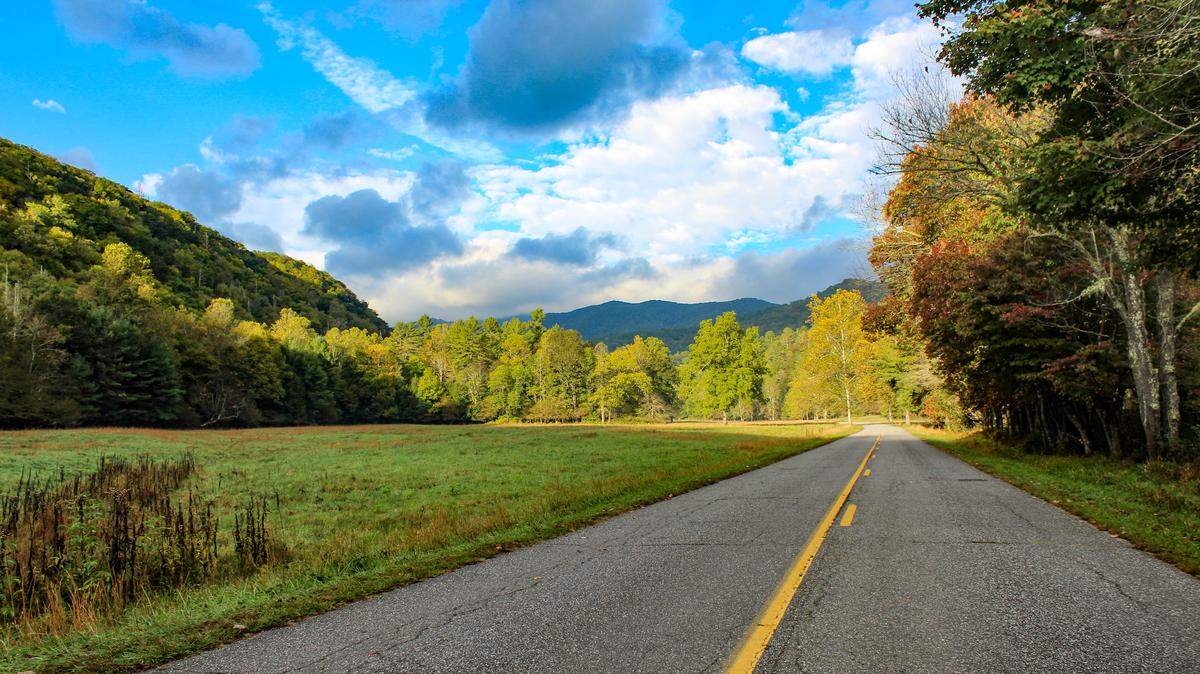
Heightened concerns for safety in Great Smoky Mountains prompted the NPS to close fields around Oconaluftee and Cataloochee, where elk are active in the early morning and late evening, officials said.
Visitors are encouraged to observe the animals, but only from a distance of 50 yards, park officials said.
“Stay alert and slow down: Elk frequently cross roadways, especially in areas like Oconaluftee, Cataloochee, Balsam Mountain and along the Blue Ridge Parkway,” the NPS said. “If an elk approaches you, calmly back away and give it plenty of space.”