Deadly ‘kissing bug’ disease is spreading in the US. Has it reached NC?
AI-generated summary reviewed by our newsroom.
- Kissing bugs found in North Carolina can carry Chagas disease-causing parasites.
- Chagas disease spreads through infected feces, not bites, and can remain undetected.
- Preventive steps include sealing homes, reducing outdoor lights and clearing debris.
Insects known as “deadly kissing bugs” found in North Carolina are responsible for spreading Chagas disease, an illness that, if left untreated, may cause serious heart and digestive complications. UCLA Health warns the disease can be deadly.
According to the Centers for Disease Control and Prevention, 280,000 people in the U.S. have the disease. No cases have been confirmed in North Carolina, though some people may carry the disease without knowing it.
Here’s what to know about the deadly kissing bug and Chagas disease.
What is the deadly kissing bug?
The so-called “kissing bug,” a triatomine insect infected with Trypanosoma cruzi parasites, poses a serious health risk. Texas A&M researchers estimate that about half of these insects carry the parasite.
According to the CDC, 11 species of kissing bugs have been found in the southern U.S.
Humans can become infected not from the bug’s bite itself, but from its feces: if a person scratches or rubs the bite, they may inadvertently push infected feces into the wound.
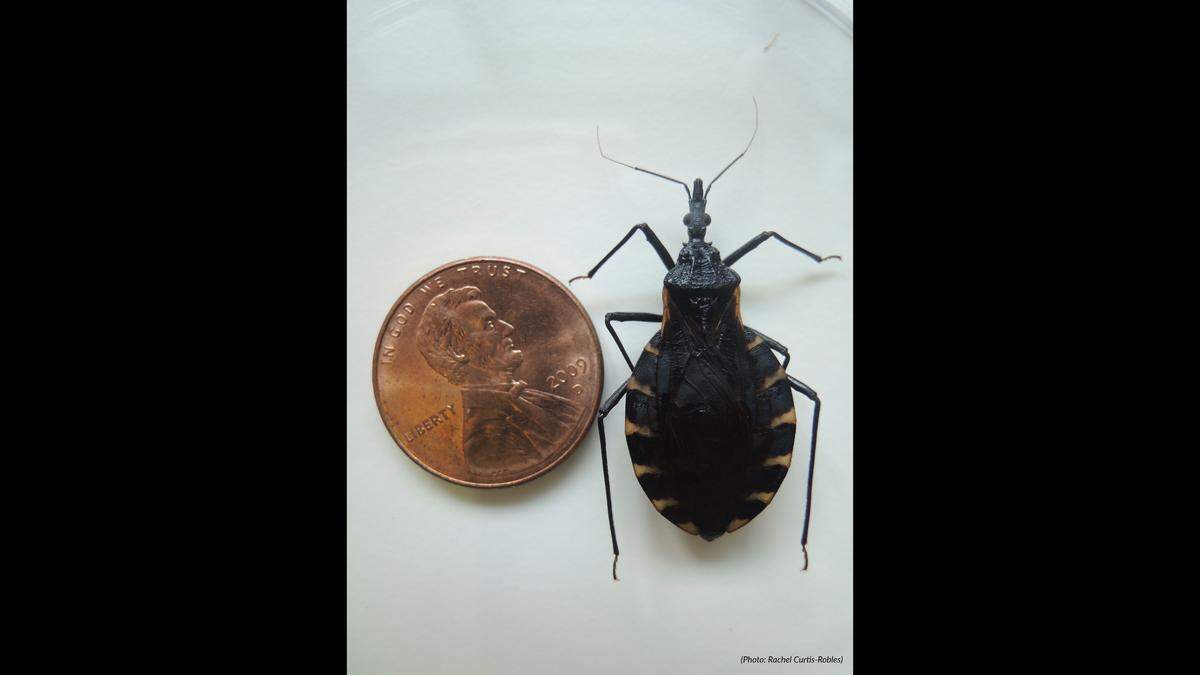
The insect earned its nickname because it often bites near the mouth and eyes, though it will bite anywhere it can, according to Texas A&M. Drawn to lights at night, kissing bugs are roughly the size of a quarter, with flat, oval-shaped black bodies marked by red and orange stripes along their sides.
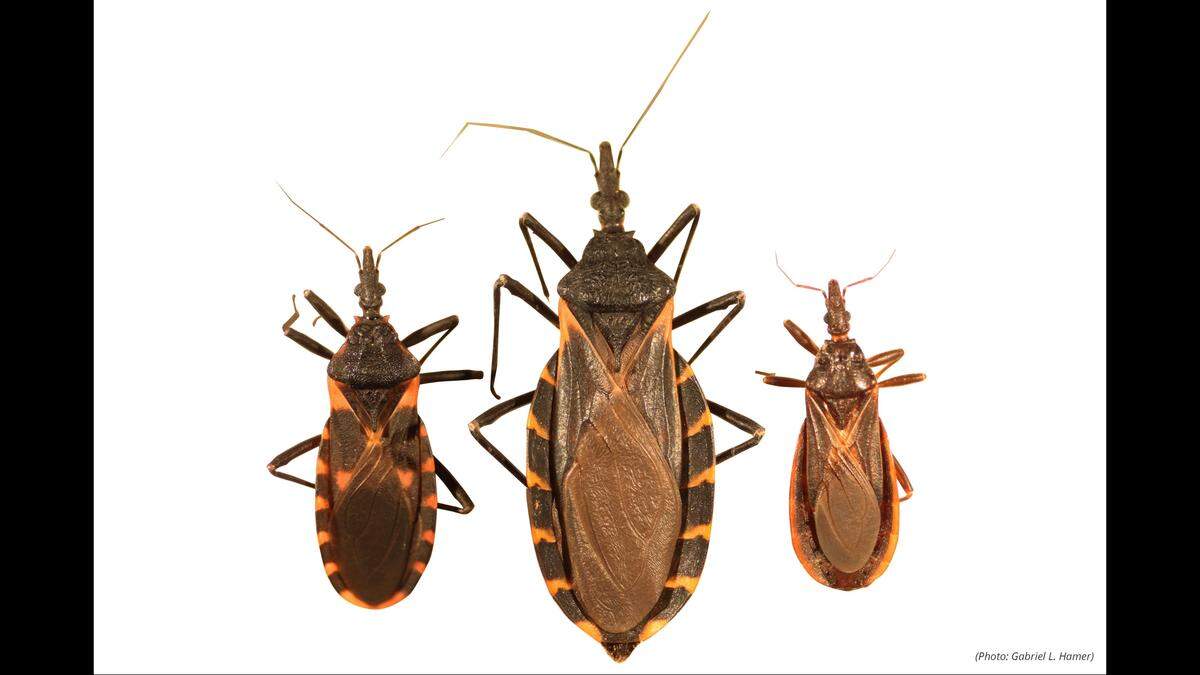
Are kissing bugs in NC?
Yes, according to the CDC.
There are preventative measures you can take to keep kissing bugs away from your home. Mike Waldvogel, a professor of entomology and plant pathology at N.C. State University, recommends:
- Clearing away debris and vegetation near your home – piles of wood, leaves, or stacked rocks can attract rodents and the bugs that follow them.
- Sealing cracks and gaps in your house, add weather stripping around doors and windows, and repair or replace any torn window screens.
- Checking tight spaces and hidden areas, especially in bedrooms, if you think kissing bugs may be indoors.
- Limiting outdoor lighting at night to help keep them away, since lights can draw the insects in.
However, Matt Bertone, director of N.C. State’s Plant Disease and Insect Clinic, pointed out that, “although these preventive measures will help reduce the chances of coming into contact with kissing bugs, in reality it is very unlikely you would ever come into contact with one of these insects anyway.”
What is Chagas disease?
Chagas disease, caused by the parasite Trypanosoma cruzi, can present in two phases, according to the CDC.
The acute phase may last weeks or months and often goes unnoticed, though some people develop fever, fatigue, body aches, rash or swelling around the bite site, the CDC says.
If untreated, the illness can progress into a chronic phase, which may remain silent for years but can eventually cause serious complications, including heart rhythm problems, an enlarged heart or digestive issues.
How to treat Chagas disease
According to Mayo Clinic, medications can kill the parasite and help manage symptoms.
Inspired by a story from the Fort Worth Star-Telegram in Texas.