In NC, it’s deluge or drought. No hurricanes this year means rainfall is way below average
AI-generated summary reviewed by our newsroom.
- Missed tropical systems reduced rainfall, pushing most of North Carolina into drought.
- Raleigh, Greensboro and Fayetteville logged roughly one-third of normal October rainfall.
- NOAA predicts below-average precipitation through January 2025 under a weak La Niña.
Mother Nature has so far missed most of North Carolina with the worst effects of tropical storms and hurricanes this year, but that’s caused another problem.
Now, most of the state is abnormally dry or in drought after weeks of below-average rainfall and headed for what may be a thirsty fall and winter.
“It’s definitely a concern,” said James Danco, a meteorologist with the National Weather Service in Raleigh. “This is historically our driest time of year, and this has been a lot drier than what is normal.
“As it is, the normal rainfall for Raleigh for the month of October is only around 3 inches, and so far this month we’ve only had .62 inches,” Danco said. “Greensboro has only had eight one-hundredths of an inch the whole month. Fayetteville has had .72 inches, so like a third of what would be normal for this point in the month.
“And the lack of tropical systems is a huge factor as to why we’re now in a drought.”
How much of North Carolina is in drought?
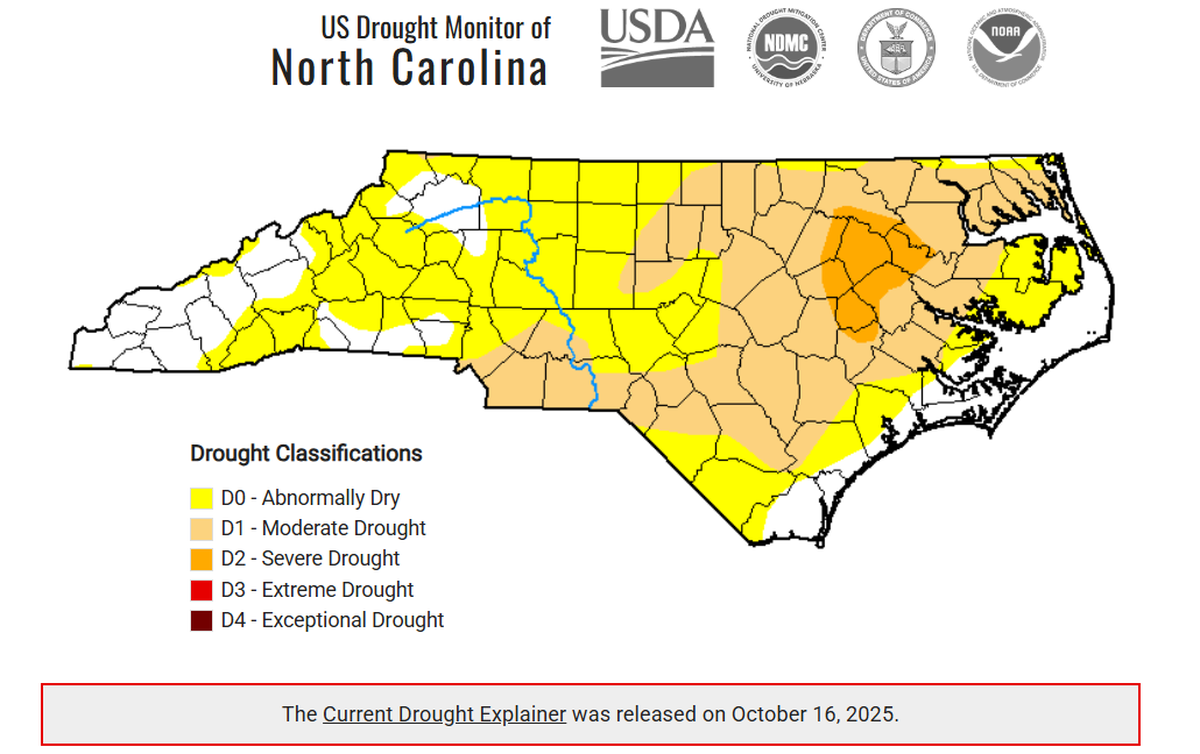
According to the U.S. Drought Monitor’s most recent report, from Thursday, Oct. 16, nearly 84% of the land area of the state is abnormally dry or in moderate to severe drought.
Less than two months ago — on Aug. 26 — no areas of the state were in any level of drought.
Has the drought affected fall color?
N.C. State University researchers say below-average rainfall can stress the hardwoods that produce the shades of red, orange and yellow leaves that draw tourists to the North Carolina mountains in September and October and pull people into Umstead State Park in Raleigh.
Low rainfall can cause the leaves to turn color and drop earlier than normal, and they can tone down the palette.
Appalachian State University’s Fall Color Guy, biology professor Dr. Howard Neufeld, said in his Oct. 15 blog that the drought, combined with warmer-than-average temperatures, has tempered the show in the mountains.
“Now it’s not a banner year for color — I’d rate the colors a 6 or 7 on a scale of 10,” Neufeld wrote. “But even these ratings are worth a trip up because a color rating of 6-7 means the leaves are quite beautiful. Remember, even in a bad year you will have a good time in the High Country!”
Why haven’t any hurricanes made landfall this year?
There have been 12 named storms in the Atlantic so far this year, compared to an average of 14 during a season that runs from June 1 to Nov. 30.
One, Tropical Storm Chantal in July, made landfall in South Carolina and traveled through central North Carolina, dropping more than 10 inches of rain and causing record river flooding in some places.
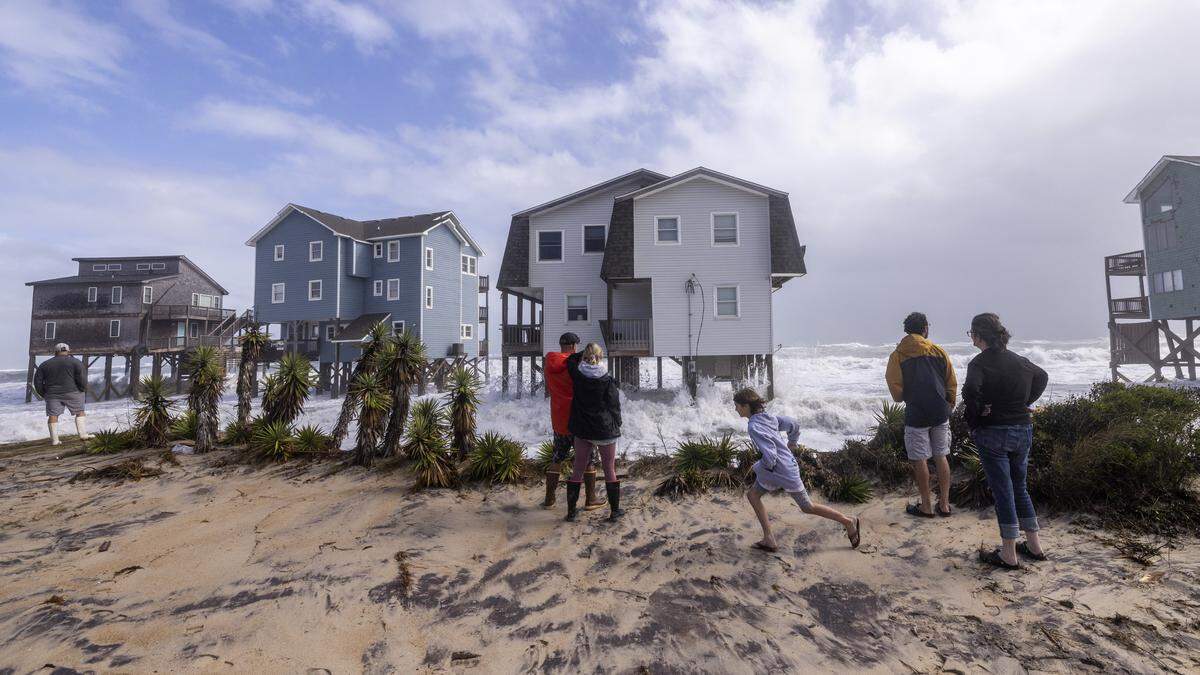
Several low-pressure systems that developed into hurricanes moved close enough to the N.C. coast to cause some heavy rain, flooding and erosion there, but neither Erin, Humberto nor Imelda sent moisture far inland. A nor’easter that battered the Outer Banks beginning Oct. 11 wasn’t able to push far inland, either.
All three of those systems were kept at bay, Banco said, by the presence of high-pressure systems that sat over much of the Southeast for a good part of September and October.
Droughts are the result of natural weather patterns, but can be made worse by climate change. Research by NASA scientists has found that the warming of the planet caused in part by the burning of fossil fuels has intensified both extremely dry and extremely wet weather events.
Could North Carolina still get a hurricane this year?
Tropical systems are notoriously difficult to predict for more than a few days ahead, but the National Hurricane Center expects a disturbance in the eastern Caribbean to develop into a tropical depression or tropical storm by Wednesday night.
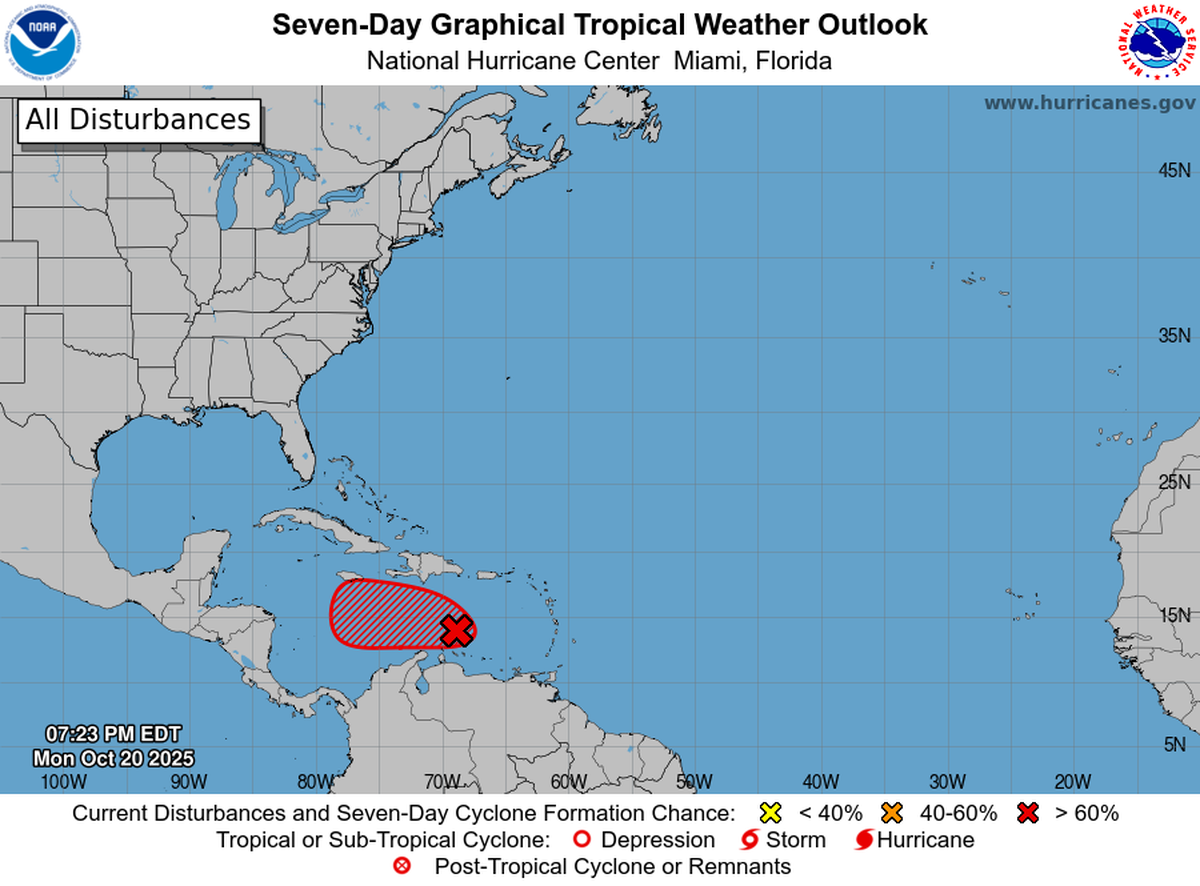
Most forecast models have the storm moving west for a while before eventually hooking to the north/northeast and moving back into the Atlantic Ocean without approaching the U.S. East Coast, meaning it isn’t likely to bring significant rainfall to North Carolina either.
Will North Carolina get rain this winter?
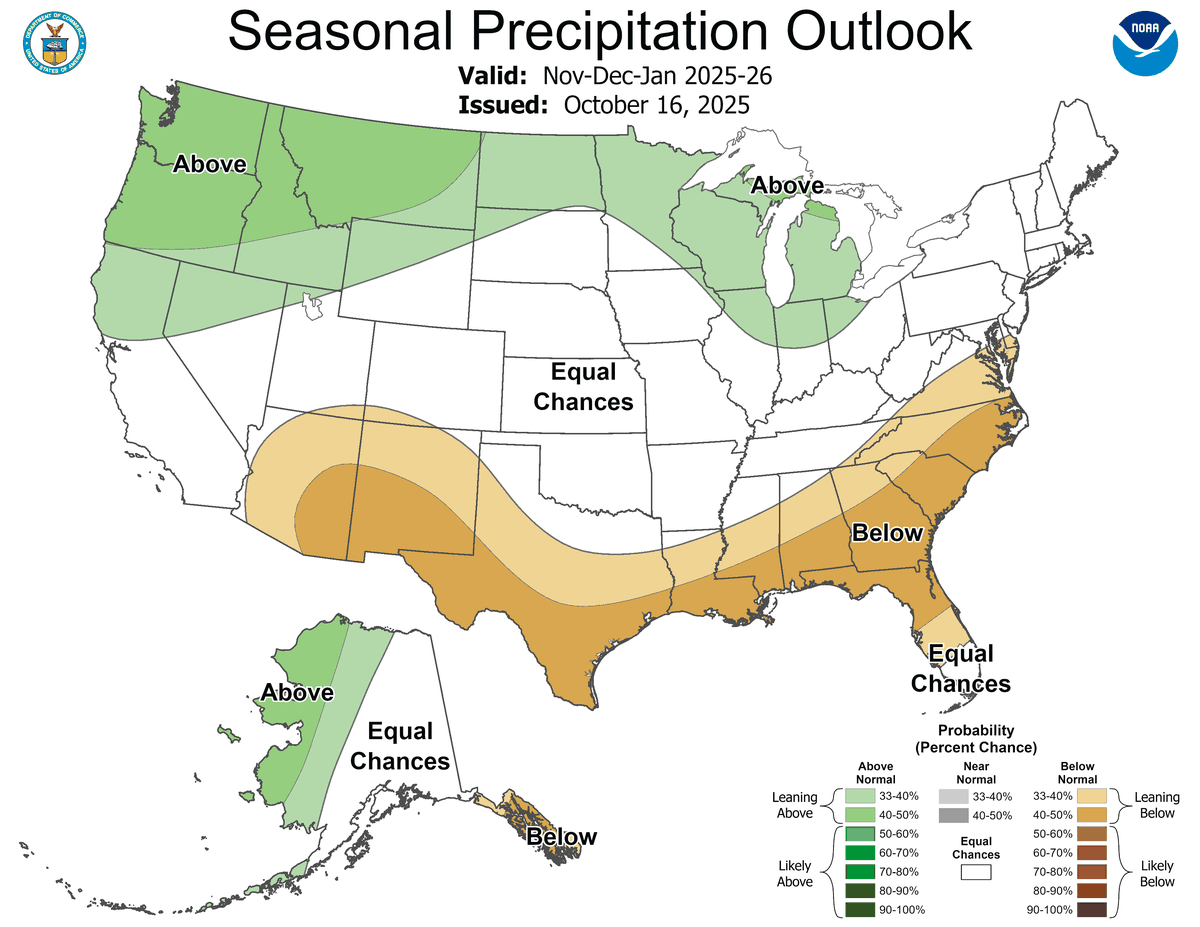
The National Oceanic and Atmospheric Administration’s Climate Prediction Center, our meteorological Magic 8 Ball, says its statistics suggest all of North Carolina will see below-average rainfall in November, December and January, the result of a weak La Nina that’s expected to develop.
But Banco said there could be relief from the drought come spring, which at the moment, he said, looks like it will be wetter than normal.
“So maybe then we’ll be turning a corner,” Banco said. “It’s not guaranteed, just a probability. That’s the best guess right now.”
This story was produced with financial support from the Hartfield Foundation and Green South Foundation, in partnership with Journalism Funding Partners, as part of an independent journalism fellowship program. The N&O maintains full editorial control of the work. If you would like to help support local journalism, please consider signing up for a digital subscription, which you can do here.
This story was originally published October 21, 2025 at 10:00 AM with the headline "In NC, it’s deluge or drought. No hurricanes this year means rainfall is way below average."