When should you start thawing a Thanksgiving turkey? We asked an NC expert
AI-generated summary reviewed by our newsroom.
- Refrigerator thawing requires about 24 hours per 4–5 pounds; start early.
- Cold-water or cooler brine is another method; monitor temperature and add ice.
- Microwave defrosting requires immediate cooking; use thermometer to 165°F.
Turkey arguably is the star of Thanksgiving dinner, and can also be the most time-consuming element of any festive holiday spread.
Preparation is key as the big day draws near, leaving many to wonder when is the best time to start thawing your bird. What’s the safest way to do it? Or the fastest?
We spoke to a food safety expert for tips on getting your turkey oven-ready.
When should you start thawing Thanksgiving turkey?
“If you’re going to do it in your refrigerator, you can start (thawing) like a week ahead of time,” James Castellow, chef manager at UNC Health Rex, told The Charlotte Observer.
“It’s going to take quite a few days before it really starts to thaw.”
Defrosting times vary, however, and largely depend on the size of your turkey, according to the U.S. Department of Agriculture.
As a rule of thumb, experts recommend 24 hours of thawing time for every 4 to 5 pounds of meat. So, a 10- or 12- pound turkey needs two or three days to thaw out.
What’s the best way to thaw a turkey?
There are three ways to safely thaw a turkey:
- Refrigerator thawing
- Coldwater thawing
- Microwave thawing
Leaving it to defrost in the fridge is considered the safest method because it keeps the bird at a “safe, consistent temperature,” the USDA said.
“While frozen, a turkey is safe indefinitely,” the agency’s website says. “However, as soon as it begins to thaw, any bacteria that may have been present before freezing can begin to grow again.”
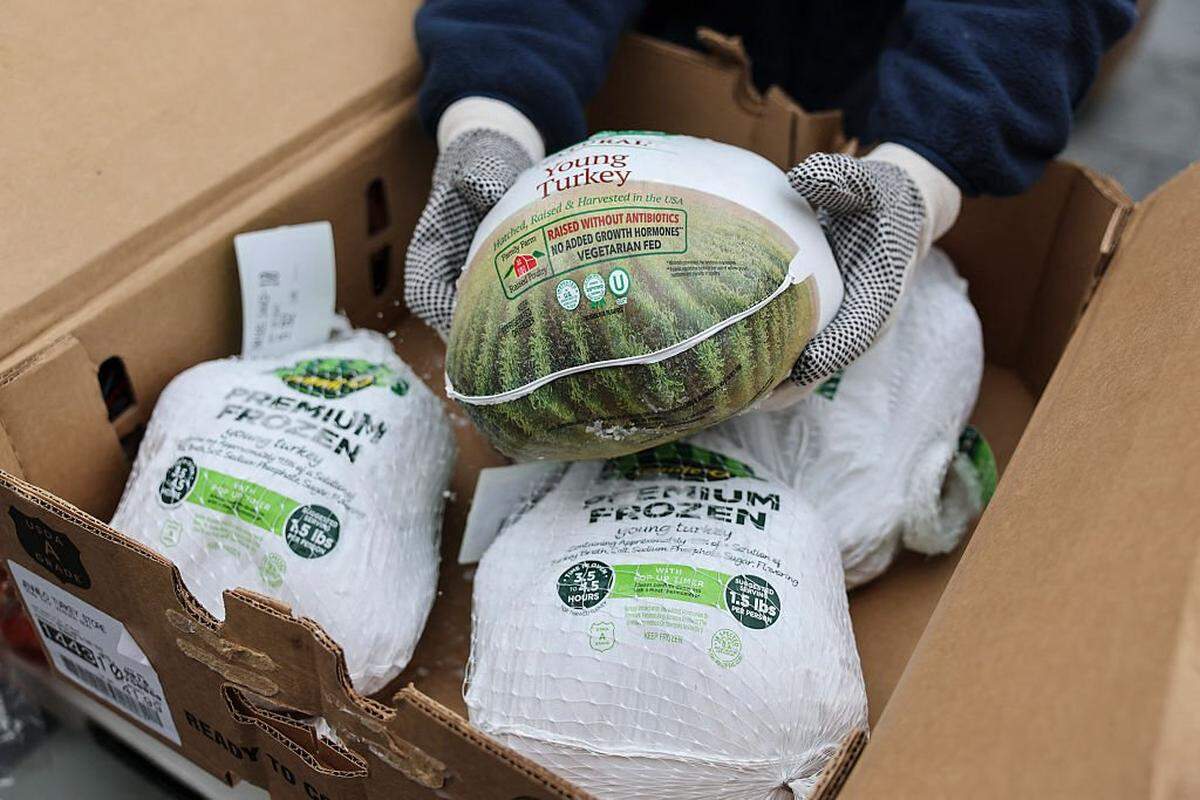
A refrigerator temperature of 40 °F or lower is ideal, and experts suggest placing your turkey in a container to keep the juices from dripping on other items.
Castellow’s preferred method is a take on cold water thawing and involves a large cooler, lots of ice and a salt water brine with sugar, spices, herbs and lemon mixed in.
After a few days, the turkey is “thawed and brined, which adds to the flavor — and you haven’t had to take up all the room in your refrigerator,” he told The Observer.
Thawing in an ice bath ensures your bird stays out of the “danger zone” — between 40 and 140 °F where foodborne bacteria can multiply quickly. It’s important to check the cooler daily and add more ice as needed, Castellow said.
If you need your turkey defrosted sooner, zapping it in the microwave is also an option — though it will need to be cooked immediately afterward, per the USDA.
Can I cook a Thanksgiving turkey from frozen?
The short answer is “yes.”
However, pack your patience because your turkey will take at least 50% longer to cook.
“Use your food thermometer, and when your bird measures 165˚F in the innermost part of the thigh, the innermost part of the wing and the thickest part of the breast, it is ready,” experts said.
Should I wash my Thanksgiving turkey before cooking it?
Washing or rinsing raw poultry isn’t recommended and actually increases the risk of cross-contamination, according to the USDA.
“If you wash meat or poultry, some bacteria can be splashed on the surfaces of your kitchen, which can make you sick if not properly cleaned and sanitized,” its website says.
Washing poultry with soaps and detergents should also be avoided, as they can contaminate your food, experts said.
If you’re compelled to give you bird a quick rinse, be sure to wash your sink and surfaces with warm, soapy water and follow with a sanitizing solution, Castellow said. Home sanitizer sprays like Lysol “will sanitize pretty well,” he added.
“Let it air dry, and that should take care of it.”
Tips for safely storing Thanksgiving leftovers
If you have an overabundance of food, encourage your guests to take a few plates to-go and utilize the freezer for leftovers you don’t plan to eat right away, Castellow said.
“Obviously you want leftovers, but you don’t want them for more than a couple of days.”
Food should be eaten or frozen within four days, with Monday being the absolute last day to safely consume it, the USDA says. It’s also important to consider if dishes were prepared ahead of time and how long they went unrefrigerated after dinner.
“If that food did sit out at room temperature for like four hours, then you may not want to save it anyway,” Castellow said. “Just be aware how long you leave the buffet out.”
“Try to go ahead and get things cold as fast as you can once everyone has eaten.”