This virus is spreading rapidly in NC & there’s no real treatment. What to know
A fast-moving virus is spreading across North Carolina, slipping from person to person — and there’s no treatment to stop it.
From Aug. 1-Nov. 13, there were 153 norovirus outbreaks reported in 14 states, including North Carolina, according to data from the Centers for Disease Control and Prevention.
“We have seen increased cases in North Carolina,” Dr. David Weber, an infectious disease specialist at the UNC School of Medicine, told The Charlotte Observer.
This virus spreads easily and can be transmitted through close contact with someone who’s infected, contaminated food or water, or by touching surfaces that carry the virus, according to the N.C. Department of Health and Human Services (NCDHHS). Outbreaks are especially common in close-quarter settings like schools, workplaces and health care facilities.
Here’s what you need to know.
Norovirus vs. stomach bugs
“Stomach bugs” share similarities with norovirus, but the two aren’t identical, according to the American Medical Association (AMA).
- Onset: Norovirus symptoms usually begin 12 to 48 hours after someone is exposed.
- Duration: The illness typically runs its course within one to three days, often making it shorter-lived than many other stomach bugs.
- Symptoms: Norovirus most often triggers nausea, vomiting, diarrhea and stomach pain, and can also bring on fever, headaches and body aches.
Who is most at risk of contracting norovirus?
Anyone who eats raw shellfish can be exposed to norovirus, according to the CDC.
The agency warns that “if eaten raw, oysters and other filter-feeding shellfish can contain viruses and bacteria that can cause illness or death.”
Young children, older adults and people with weakened immune systems are also at higher risk for developing severe symptoms, the CDC says.
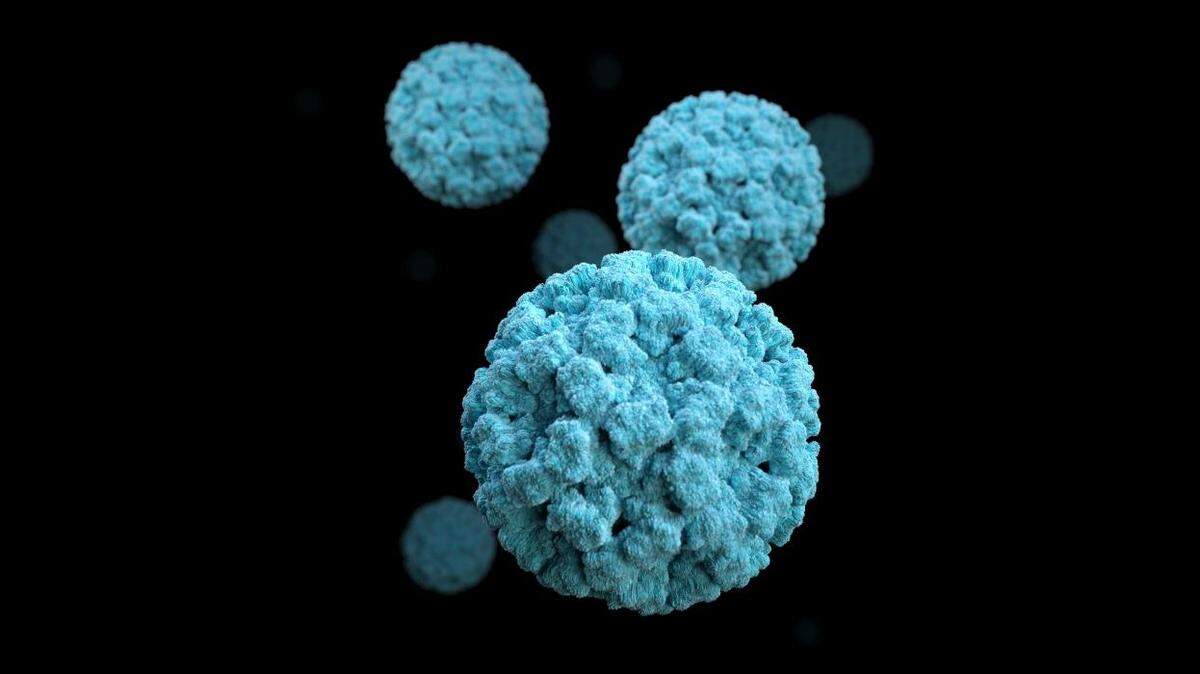
How can you treat the symptoms of norovirus?
There’s no targeted treatment once symptoms begin, so recovery mostly means waiting it out while managing how you feel.
To reduce the risk of complications, try the following:
- Stay hydrated. Replace fluids lost through vomiting and diarrhea with water, clear broths, fruit juices or sports drinks.
- Consider oral rehydration solutions if other liquids are hard to keep down, as they help your body absorb fluids more efficiently.
- Rest as much as possible to support your body’s recovery.
- Stick to bland foods once you’re able to eat again, choosing soft, gentle options as you ease back into normal meals.
- Steer clear of caffeine, alcohol and very sugary drinks.
- Use over-the-counter medications cautiously, as they may help with some symptoms but aren’t always appropriate.
When should you see a doctor?
You should seek medical attention if you develop diarrhea that doesn’t go away within several days, according to Mayo Clinic.
You should also contact your doctor if you experience severe vomiting, bloody stools, stomach pain or dehydration.
How to prevent norovirus
You can use these tips to help prevent norovirus infections in your household, according to NCDHHS:
- Wash your hands thoroughly with soap and water often.
- Handle and prepare food safely.
- When you are sick, do not prepare food or care for others who are sick.
- Wash laundry thoroughly.
- Clean and disinfect surfaces.
When it comes to choosing a disinfectant for surfaces, Weber recommended checking the Environmental Protection Agency’s list of disinfectants that are effective against norovirus. He also advised people to focus on “ready-to-use” products under “formulation type” on the list, instead of dilutable products more suitable for hospital or nursing home settings.