Does my neighbor have to clean up leaves, branches in my yard? What NC law says
Is your neighbor responsible for cleaning up tree debris that lands in your yard?
Here’s what you need to know.
Who is responsible for a tree on a shared NC property line?
According to The Law Offices of Delton W. Barnes, a Charlotte-area firm, “if a tree trunk straddles the property line, it is considered a shared asset, and both neighboring property owners have an equal right to the tree.”
A tree that sits on a property line should not be removed without the consent of both owners, the firm advises, adding that clearly establishing boundary lines is essential before any tree work begins.
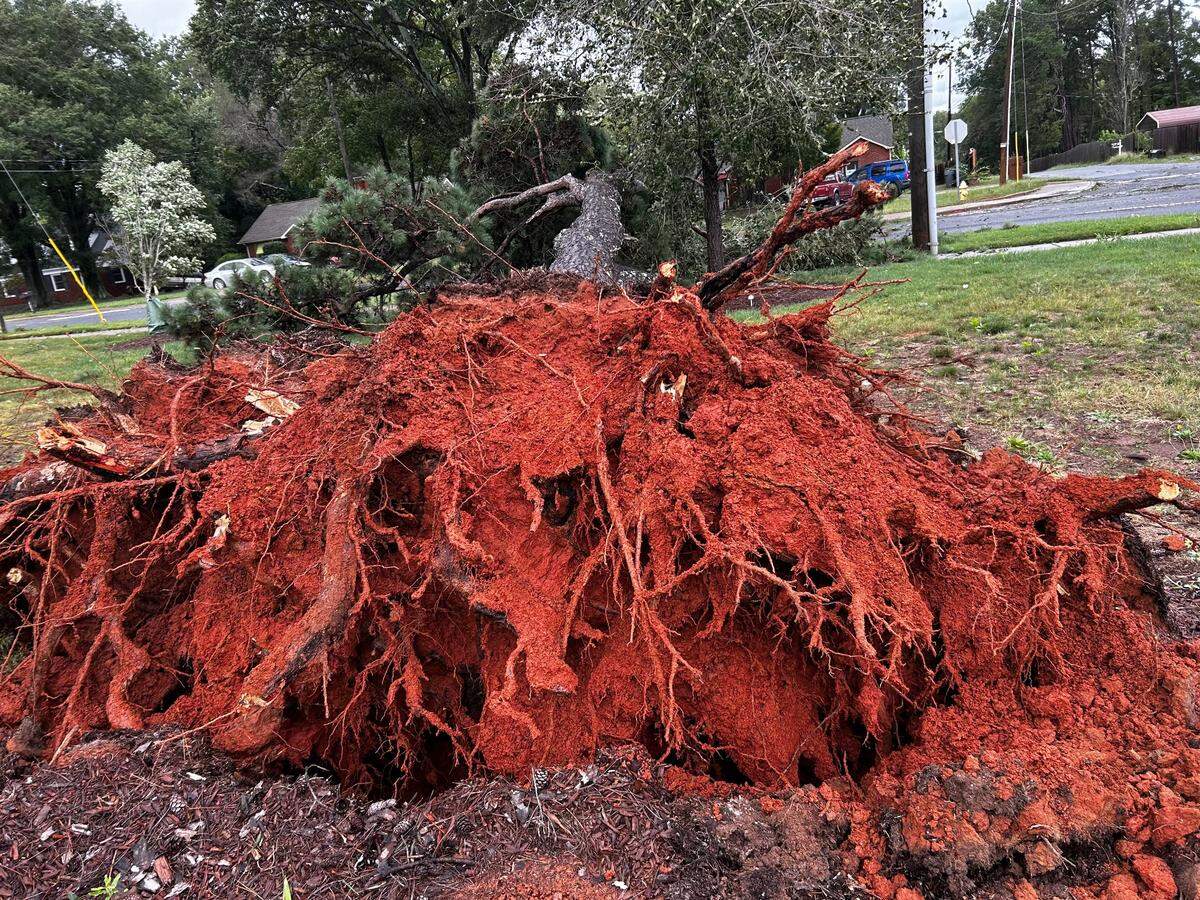
Is my neighbor responsible for branches that fall into my yard?
No. State law allows landowners to trim and cut branches that overhang onto their property, but they cannot do so if trimming or cutting the tree will cause damage to the tree, the firm says.
Here are some things you should consider, according to the firm:
- Be responsible: You can trim branches that extend onto your property, but you must avoid harming the tree. A professional can help ensure safe pruning.
- Property lines: Stay on your side of the boundary; crossing onto a neighbor’s property without permission can lead to disputes.
- Tree damage: You may be liable if trimming seriously damages or kills the tree.
- Communication: Talk with your neighbor first to avoid conflict and reach an agreement.
- Professional help: For major disputes, consult a property attorney before taking action.
What happens if my neighbor’s tree damages my NC property?
According to the N.C. State Extension, when a tree falls across a property line in North Carolina, damage is usually handled through the affected homeowner’s insurance, regardless of where the tree was rooted.
The state does not follow a “your tree, you pay” rule; instead, liability depends on negligence — a neighbor is responsible only if they knew or should have known the tree was dangerous and failed to act.
Courts look at warning signs like a dead or leaning tree or limbs hanging over structures to determine whether the risk was foreseeable. In most cases, insurance covers the damage, and questions of fault arise only when coverage is unavailable or disputed.
Inspired by a story from The Sacramento Bee in California.
This story was originally published January 22, 2026 at 2:23 PM.