
In a first, homes for bats added into wall of new I-40 bridge, NC officials say
When Hurricane Helene heavily damaged nearly 700 North Carolina bridges in 2024, one of the odd side effects was upheaval for bats, which thrive under bridges.
That’s a problem for a heavily agricultural state reliant on bats for “pest control, pollinating plants and dispersing seeds,” experts say.
So state wildlife and transportation officials saw an opportunity when work began on replacing an Interstate 40 bridge near the Tennessee state line.
In what is being called a “first of its kind idea,” bat roosts were built into walls below the bridge, resulting in something akin to a bat hotel in the Pigeon River Gorge.
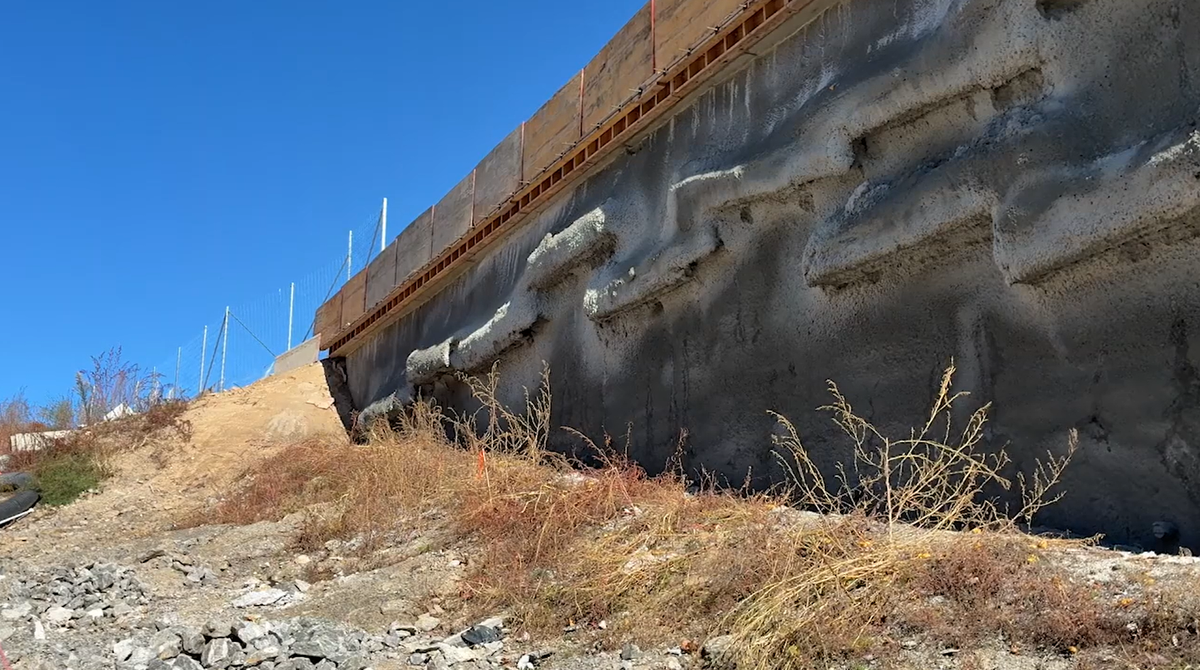
Wildlife Diversity Biologist Katherine Caldwell Etchison is optimistic bats will take advantage of the new roost come spring time. She worked on the project as a representative of the N.C. Wildlife Resources Commission.
“Most bats in western N.C. hibernate in caves and inactive, underground mines during winter. ... Spring and summer spotlight surveys of the wall’s crevices will determine if bats take up residence in the new roost,” she told The Charlotte Observer.
“A single gray bat was seen roosting on the wall soon after the wall was completed (in November), but the bat was likely on the way to its winter grounds.”
The Interstate 40 bridge provided the perfect spot to experiment with a roosting wall, because it was known as a summer roost for nearly two dozen bats before Helene arrived in September 2024. The community included one endangered gray bat and about 20 big brown bats, Etchison said.
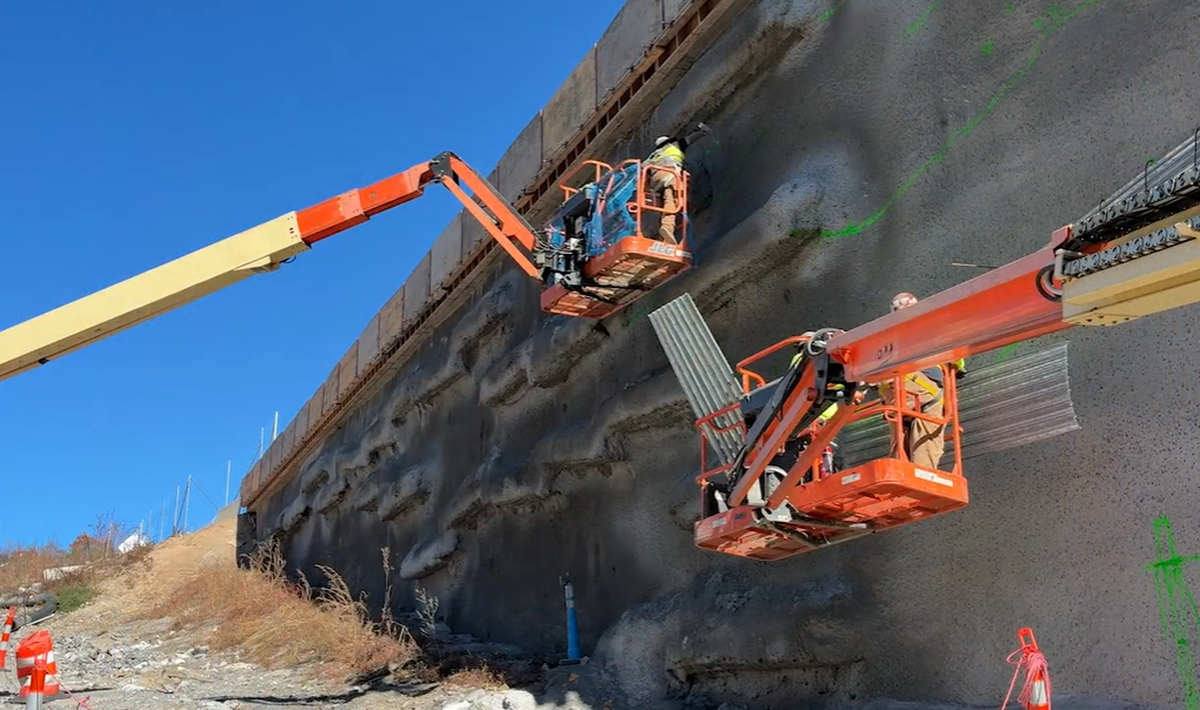
N.C. Department of Transportation engineer Kenny McCourt said he came up with the idea of adding spaces for bats while watching “Animal Planet.”
The end result is a rougher look for the 25-foot-high wall, but it was more cost effective, and in line with a new “boulder-scape” approach to make retainer walls blend with surrounding rock faces, McCourt said in a video about the project.
Contractors working with the NCDOT ran with his idea, resulting in 200 cubic feet of space for bats, officials said.
“We tried to really get together with others in the area that work with bats and think through what bats would use,” Etchison said in a video shared by the NCDOT.
“So what size crevices? We’ve got little ones all the way up to big ones. We’ve got some with drain-hole type features in there. We’ve got some with vents, some without.”
Partners in the project included the N.C. Wildlife Resources Commission, NCDOT, and U.S. Fish and Wildlife, officials said.