
Outer Banks fishing village moves to protect its ‘heart’ from development boom
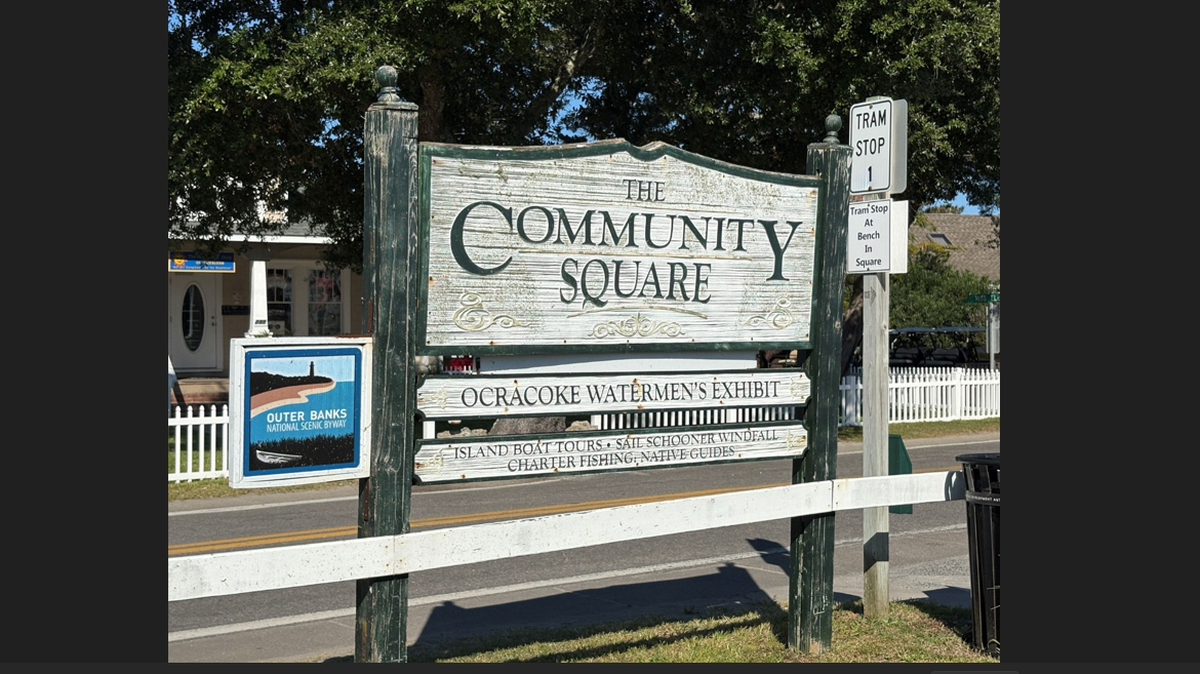
Quaint fishing villages made the Outer Banks an international tourist destination, and one of the most famous of these hamlets has unveiled a plan to defy North Carolina’s coastal redevelopment craze.
The entirety of Ocracoke’s Community Square is now protected by historic preservation agreements, which means the vintage buildings can’t be knocked down and rebuilt in the name of progress.
“Located on the north shore of Silver Lake in the heart of the historic village, the community square has been a constant on the island known for its storied past of pirates, pilots, and seafarers,” Preservation North Carolina announced Tuesday.
“The easement protects five historic commercial buildings, including the iconic Community Store (1950), the William Ellis Williams House (ca. 1900), Will Willis’ Store and Fish House (1930), the Electric Office (ca. 1936), and the island’s first electric generator plant (ca. 1936).”
Like pieces of a puzzle, the combined histories of the buildings tell the story of an isolated maritime community where “settlers worked the water and many of their descendants still do,” local historians say.
Why it’s important
Protecting the community square became an issue in 2009, when the owner put all five properties up for sale at $1.6 million, officials say.
Fearing the worst, the non-profit Ocracoke Foundation took out loans to buy the buildings and adjacent docks, then set a goal to have legally-binding historic preservation agreements put in place. Such easements become part of the deed, and guaranty the buildings are “protected in perpetuity,” no matter who owns them.
“The community square included several very important buildings ... representative of life in Ocracoke in the early 20th century,” PNC’s Eastern Regional Director Maggie Gregg told The Charlotte Observer.
“They sit waterfront on Silver Lake and include boat slips, making them vulnerable to future development without protections. Easements (or covenants) are the only legal tool to protect historic properties from the threat of demolition or loss of integrity.”
The Ocracoke Foundation’s vision was to use the square project as a model for how rural communities can put historical assets to work while also preserving them.
That plan appears to have worked. The historic buildings (and adjacent boat slips) are being leased to businesses that cater to tourism, resulting in the foundation’s $1.6 million loan being whittled down to $200,000.
“The (previous owner) was interested in preservation, but at the same time, it’s prime waterfront property and someone could purchase it and tear the buildings down,” Ocracoke Foundation President Scott Bradley told The Observer.
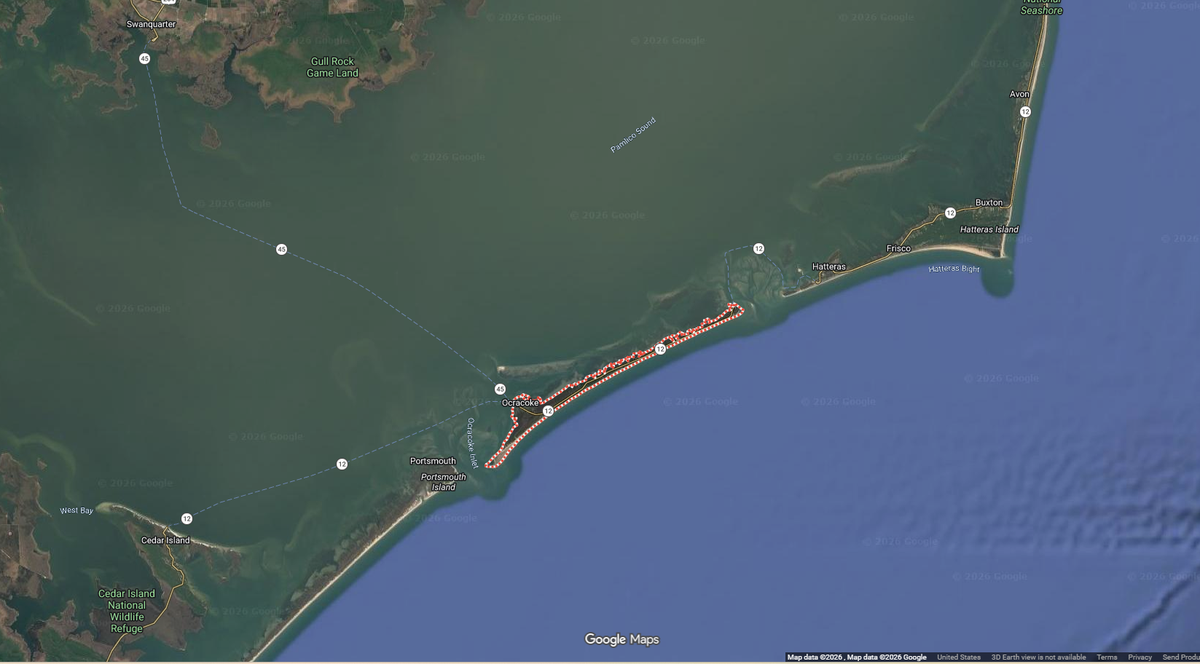
“The village is about 800 or 900 acres and the rest of the island is National Seashore, so the village can’t grow out. It grows in. And we’ve got more and more homes being built on lots.”
That means new structures come at the cost of an existing structure.
More preservation ahead
Negotiations are underway to add another property to the list of Ocracoke’s preserved buildings.
“Ocracoke still has a working fish house for local watermen and women to sell their product, the Ocracoke Seafood Company, and we’re working with the owner to purchase the property,” Bradley said.
“It’s not an historic building. It’s maybe from the 50s. But the idea of Ocracoke as a quaint fishing village without a quaint fishing house would be a little weird.”
The plan would be to keep the fish house operating without threat of being torn down or renovated.
Ocracoke Island is about a 190-miles southeast from downtown Raleigh, and is reached from the mainland by ferry on plane.
This story was originally published April 16, 2026 at 9:22 AM.