If a copperhead bites your dog, here’s what NC veterinarians say you should do
AI-generated summary reviewed by our newsroom.
- Copperheads likely account for about 90% of venomous snake bites in North Carolina.
- Copperhead bites on pets typically cause pain, swelling, bruising and puncture marks.
- Veterinarians advise against home first aid and recommend seeking veterinary care.
As the region’s plentiful copperheads emerge this spring, North Carolinians may already know what to do if the venomous snake bites them — but what about their dogs?
The copperhead is the most common venomous snake in North Carolina, and in highly populated areas is generally the only one, according to the North Carolina Wildlife Resources Commission.
The snake is copper-colored, light brown or tan. It has a triangular head and darker brown bands around the body, the pattern of which varies. It is often found in wooded areas, and is largely nocturnal in hot weather.
Copperheads likely make up 90% of North Carolina’s venomous snake bites, according to the North Carolina Wildlife Resources Commission. The snakes can also bite our pets, The Observer has previously reported, so here’s what to do if you suspect a copperhead has bitten your dog.
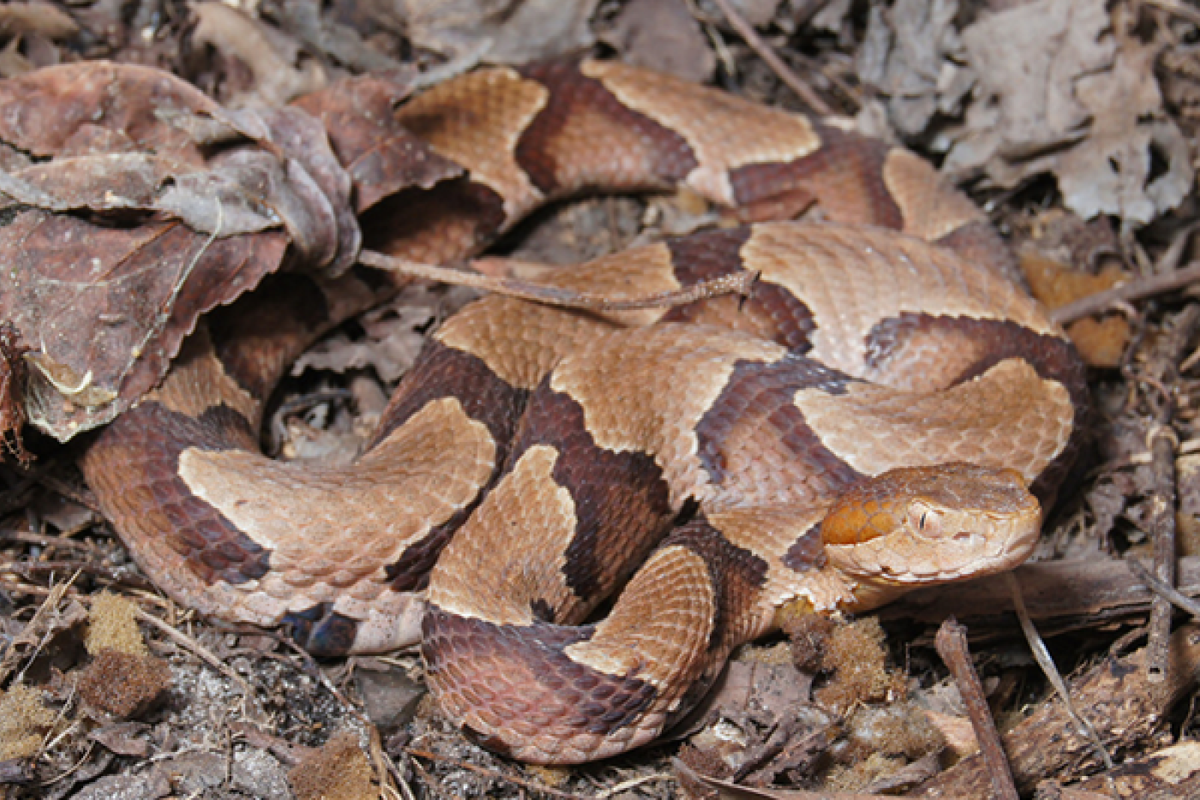
Signs your dog has a copperhead bite
If you are with your pet when a copperhead bite occurs you may witness it, but if not, look out for:
- Pain
- Swelling
- Bruising around the bite
- Two puncture wounds, if the copperhead struck only once
Dr. Sarah Musulin, a Clinical Associate Professor of Emergency and Critical Care at NC State College of Veterinary Medicine, said that while a bite is painful for a pet, it doesn’t cause systemic effects.
“It doesn’t seem to affect, for example, their blood pressure, or their circulation, or their breathing, or anything like that,” Musulin said. “But given that the snake bites are very painful. It’s certainly recommended to seek veterinary care and just to have that assurance that indeed your dog or cat is having the expected reaction.”
What not to do
It is not recommended that pet owners perform any first aid care on their pets following a bite.
Don’t:
- Apply a tourniquet
- Apply a bandage
- Attempt to suck out the venom
In some circumstances, a pet may need antivenom, but it is uncommon. Musulin said she has only ever administered antivenom to a handful of dogs since moving to North Carolina in 2007. It may be needed if a pet’s ability to clot blood is compromised.
“It does become a ratio game, meaning the smaller the animal, and if they get more venom, they’re going to be more affected by the bite,” Musulin said. “There’s no way to know when a snake bites, how good of a job, for lack of a better phraseology ... they do releasing venom.”
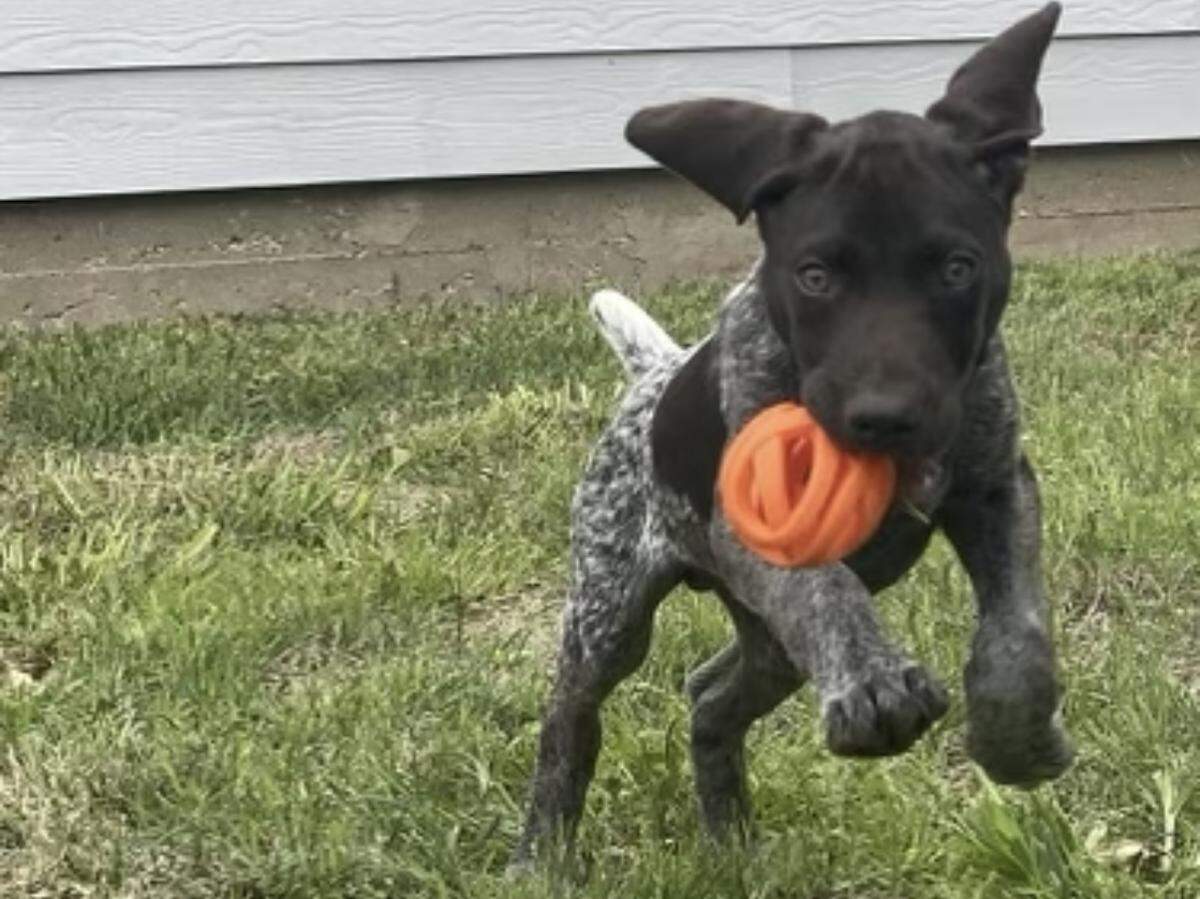
How to avoid copperheads
Musulin said that like humans, it is important for pets to avoid contact with copperheads.
“If you’re going on hikes, that’s a great, great time to be really watching out for snakes. If you notice snakes in your yard, because I myself have seen many copperheads in my yard, then keep in mind that if your dog or cat is out in the yard unattended, that they are vulnerable to that,” Musulin said.
If a pet comes back inside the home from unattended time outside limping, swollen or in pain, it is a good call to go to the vet even if a bite cannot be located.
This story was originally published May 12, 2026 at 8:15 AM.