Bears are making a comeback in North Carolina. What to do if you encounter one
AI-generated summary reviewed by our newsroom.
- North Carolina’s black bear is found in about 60% of the state.
- NCWRC and Bearwise advise securing food, trash, grills, feeders, and pet food.
- If a bear sees you, back away slowly; if it approaches, yell, wave, then use bear spray.
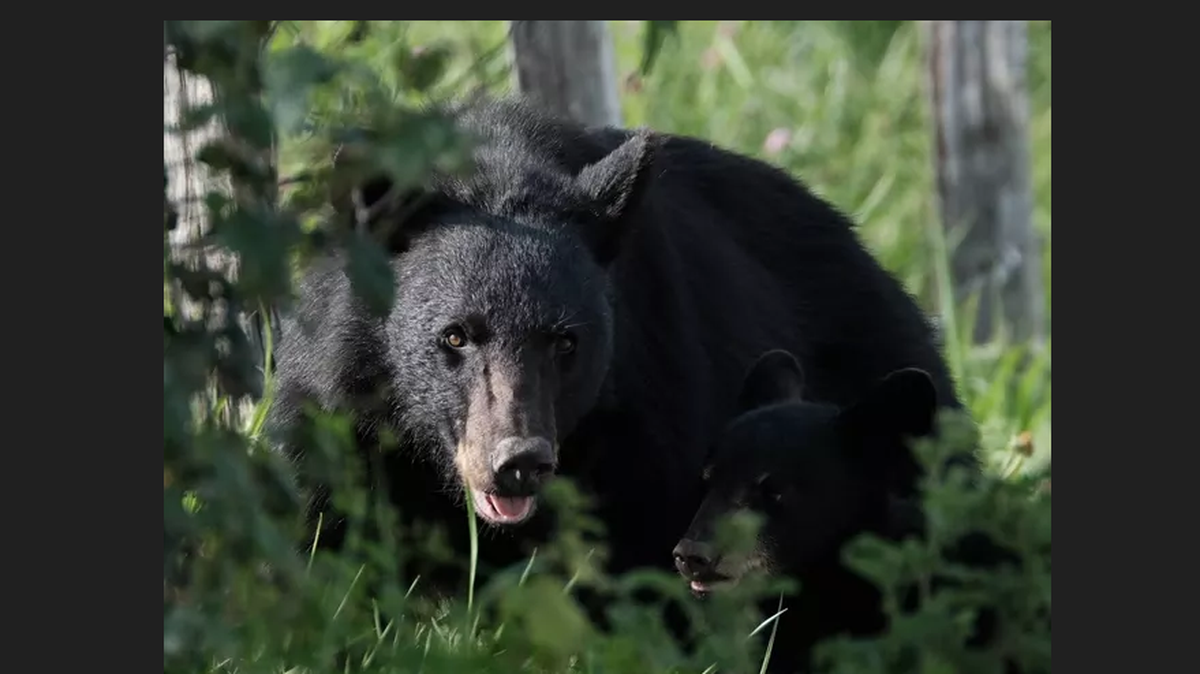
North Carolina’s black bear population has made a comeback, and people are more likely to come across the bears than in years prior.
Jenna Malzahn, a black bear biologist with the North Carolina Wildlife Resources Commission, said that the return of the bears is a great conservation success. The bears were extirpated, or intentionally eliminated from an area, decades ago.
“Back in the 1970s we were down into like 1,000 black bears in different pockets along the coast and the Pocosin forests, and then in the mountains as well,” Malzahn said. “To be able to get back up to the population we have now is amazing, where we have bears all throughout the mountains, all throughout the coast, and now we’re seeing some expansion of our breeding population into the Piedmont region as well.”
The North Carolina Wildlife Resources Commission keeps a range map of where bears are not only seen, but are actively living and breeding, The Charlotte Observer previously reported.
“It is based on evidence of breeding females,” Malzahn said. “You can have bears in every county in the state, you can find a bear in any part of the state. That doesn’t mean bears are living in every county of the state, they could be transients kind of moving through.”
On Thursday, May 14, the NCWRC announced that the black bears are on the move throughout Central North Carolina. The group recommends using Bearwise, an organization created by biologists across the country to universalize the advice people are given about coexisting with bears, including black bears and grizzlies.
Here’s how to keep yourself safe specifically around black bears.
What do you do if you come across a bear in the woods?
Malzahn said she recommends reading up on bears in your area on Bearwise, especially if you are in an area that has contained few bears over the last century. The NCWLRC wants to push the information on the website out especially to those on the coast and in the piedmont.
Bearwise recommends six outdoor safety basics:
- Stay alert and together. Keep kids within sight, and make noise occasionally to alert bears in the area you are around
- Leave no trash and food scraps, as this teaches bears to associate trails and campsites with food
- Keep dogs leashed. Over half of bear-human incidents involve dogs, and they may approach bears off leash.
- Camp safely. Set up camp away from dense natural cover and natural food sources. Do not store food in your tent. Store food, toiletries, trash and clothes worn while cooking in bear boxes, more than 10 feet above the ground and 10 feet away from any tree trunks or in a locked car.
- If you encounter a black bear and it doesn’t see you: Stand still, then leave.
- If it does see you: Back away slowly. Do not run.
- If it approaches: Stand your ground, stay with your group, wave your arms and yell “hey bear” repeatedly to deter the animal. If it continues to approach, use bear spray.
- Carry bear spray and know how to use it. It is not like bug spray; do not spray belongings or people.
What to do if you see a bear among many humans?
“We usually see seasonal spikes in the spring, early summer, and then in the fall for bears, and so it’s not unheard of for the bears to show up in unusual places this time of year,” Malzahn said.
Bears can be drawn out of their documented range in search of food, or mates. The black bear is found in 60% of North Carolina, but can be found in places you might not expect, like crossing a Durham family’s driveway last month.
Bearwise recommends:
- Never feed or approach bears
- Secure food, garbage and recycling
- Remove bird feeders when birds are active
- Never leave pet food outside
- Clean and store grills and smokers
- Alert neighbors to bear activity
Portions of this story were previously published in The Charlotte Observer.