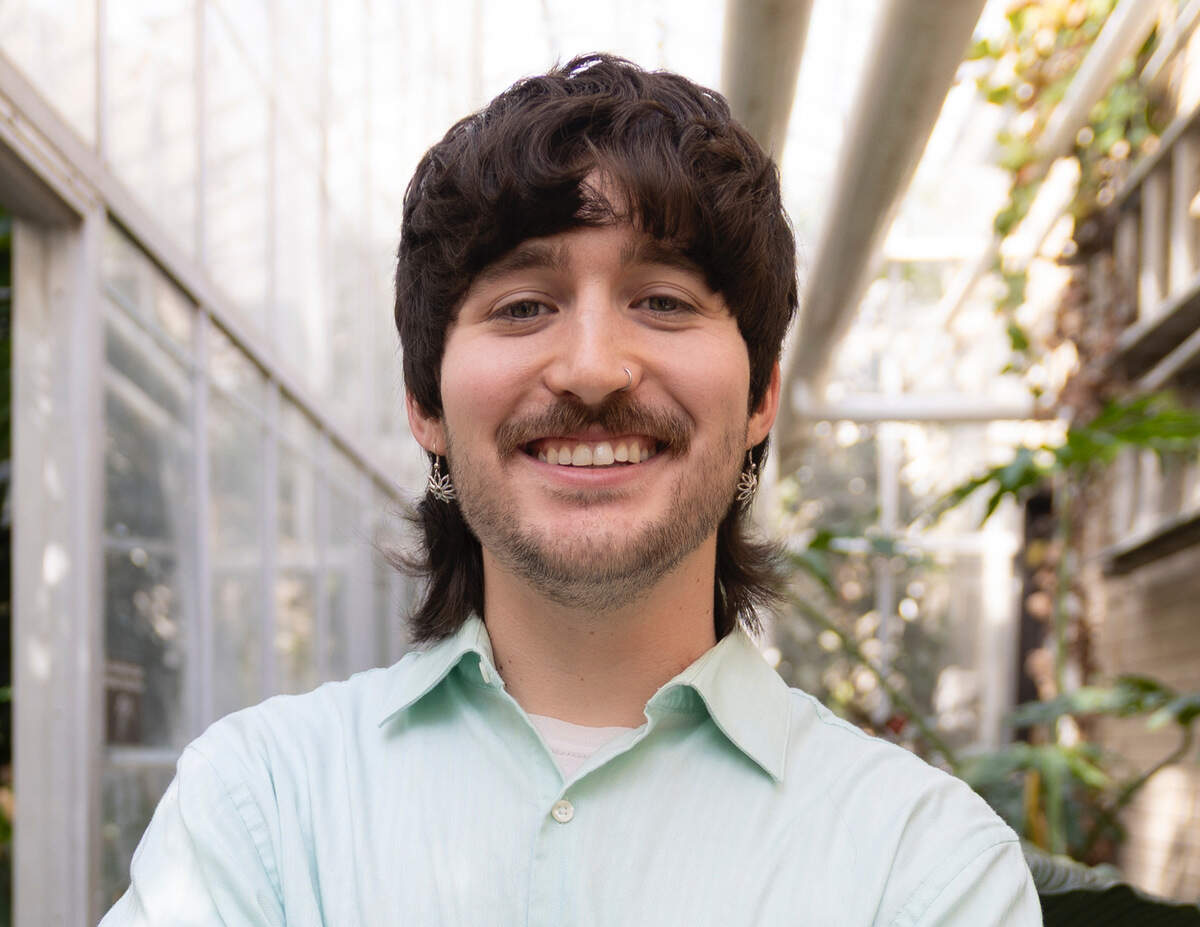
Duke scientist seeks answers to universe’s biggest mysteries with new telescope
AI-generated summary reviewed by our newsroom.
- Eve Vavagiakis, a Duke assistant professor, helped design a camera for a new telescope.
- FYST sits atop a mountain in Chile’s Atacama to look further back in time.
- FYST targets submillimeter light to study the universe’s earliest observable signals.
Blinding sun, freezing temperatures, and mounds of dust whipping through the air. The air, thin and sharp, makes every breath an effort.
In this otherworldly landscape in Chile’s Atacama Desert, Eve Vavagiakis, an assistant professor of physics at Duke University, embarks on her lifelong mission: to unravel the universe’s biggest mysteries with a powerful new telescope.
To most, questions like “How does anything exist at all?” seem profound and unanswerable. For Vavagiakis, they are a daily pursuit — one that has shaped her career and her willingness to travel to the ends of the Earth in search of answers.
Years spent preparing
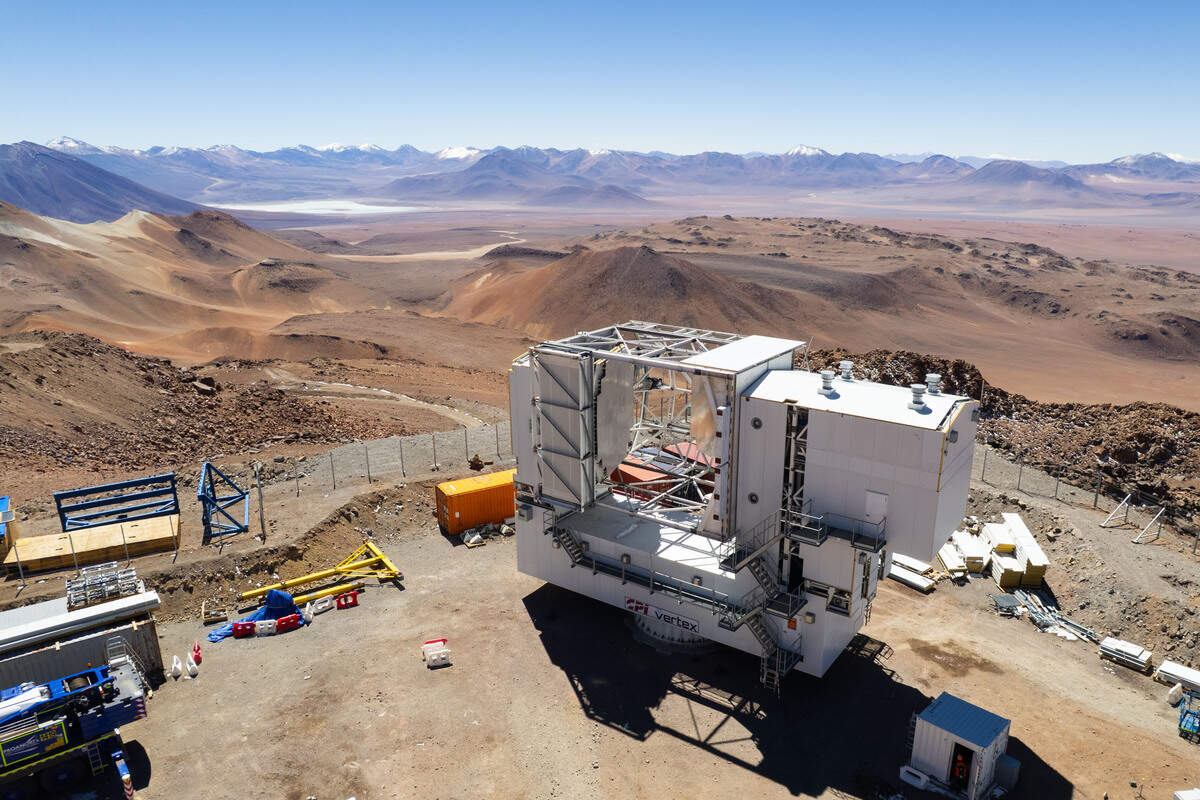
After six years in graduate school designing telescope parts to function in freezing temperatures, Vavagiakis finally saw her work come to life atop Cerro Chajnanto, a mountain in the Chilean desert, with the inauguration of the Fred Young Submillimeter Telescope (FYST), a new window into the cosmos.
The telescope’s heart is Prime Cam, a state-of-the-art camera Vavagiakis helped design and an instrument built to capture faint signals from the universe’s earliest moments.
“We have these room-sized cameras that are made of giant metal shells,” Vavagiakis said in an interview with The News & Observer. “We put them in this telescope, and so we take pictures, but the pictures are of the oldest light we can observe.”
Vavagiakis’ field is cosmology — studying the whole universe as a single system.
“When I was an undergraduate, I asked, ‘How can I study as much physics as possible?’ So studying the entire universe felt all encompassing,” she said.
Why the desert?
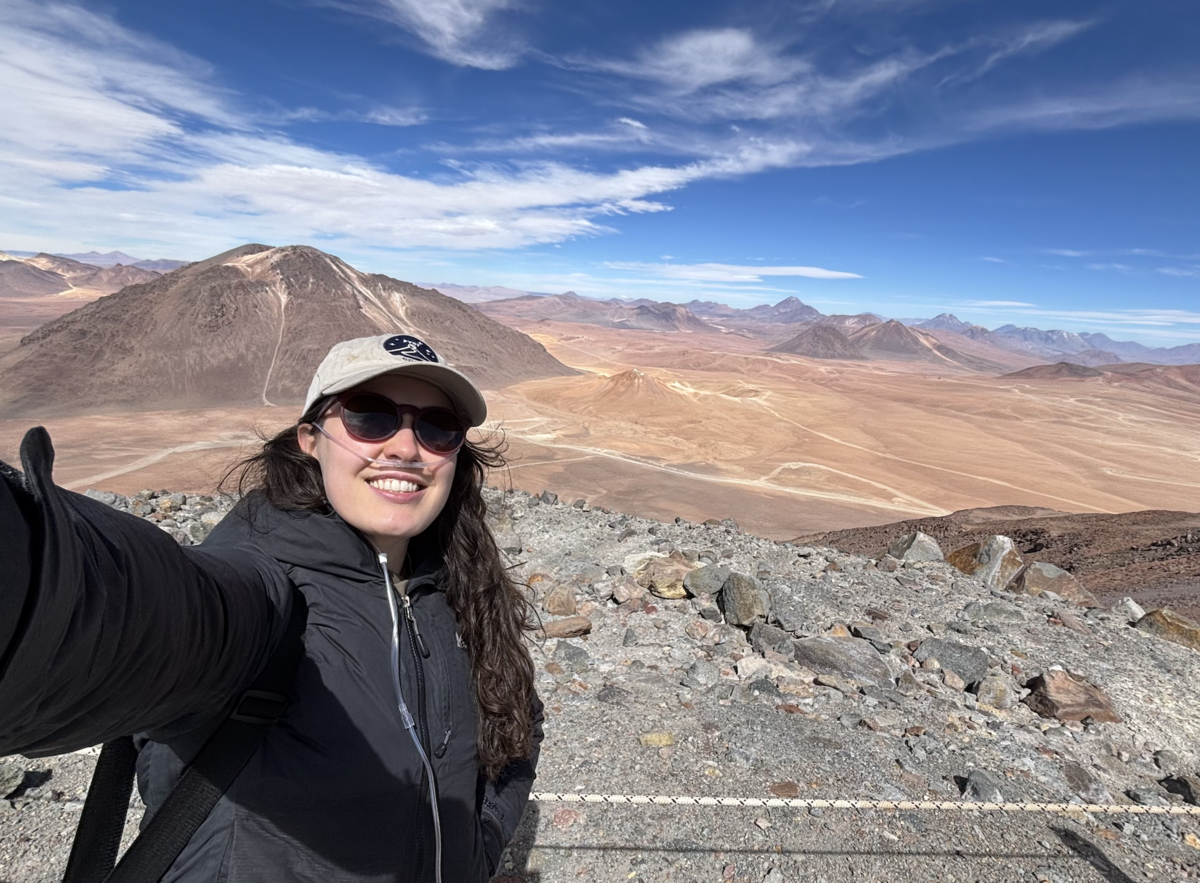
The Atacama’s inhospitable conditions are so severe that it takes medical clearance and supplemental oxygen to reach the telescope.
There’s a reason for this extreme location: water vapor is almost nonexistent. Water absorbs the submillimeter wavelengths the telescope needs to see the universe’s past, so the dry desert air is essential for the science to succeed.
To peer 13 billion years into the past, the telescope must also be above the clouds: hence, a mountaintop in one of the driest places on Earth.
How is this telescope new?
While other telescopes, such as the Hubble Space Telescope, have captured striking images of faraway galaxies, they don’t detect the submillimeter light targeted by the FYST. Other submillimeter telescopes in operation sit at lower elevations with more water vapor, so they produce lower quality images.
“This one reveals to us the unseen portion of the universe... It’s basically looking at a baby picture of the universe,” Vavagiakis said.
Yet, as Vavagiakis points out, cosmology’s images can be deceiving to the untrained eye.
“I think people don’t understand cosmology as much as other fields in astronomy, partly because the pictures we take don’t look as exciting,” Vavagiakis said. “This is the same wavelength of light in your microwave, so you can’t see it with your eyeballs. The baby picture of the universe looks like a bunch of noise, but when you look at it, you really are staring at the entire universe and where it came from.”
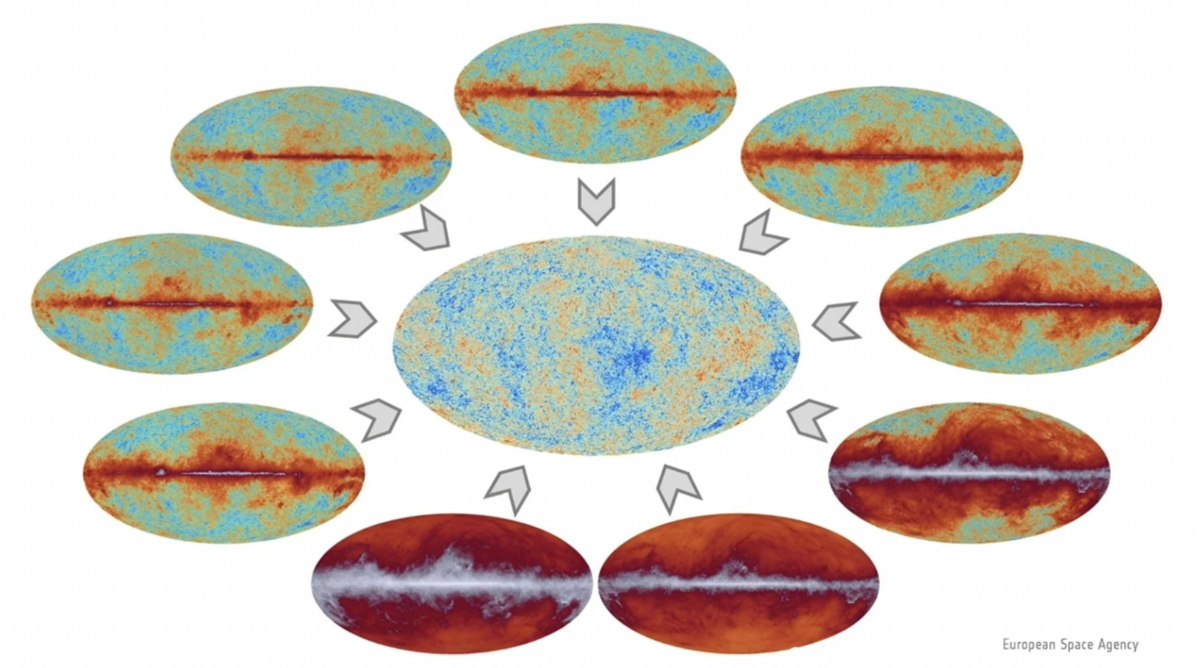
The images captured by the FYST will fill in the puzzle pieces left behind by other telescopes.
“By revealing parts of the universe that we haven’t revealed yet, we’ll learn about how it evolved,” Vavagiakis said. “It’s going to give us unique information that we can use to clean up the pictures of the universe that we get with other facilities.”
Seeing the fruits of her labor
“Ascending up to the telescope with the team and seeing it crest around the mountain for the first time… it definitely feels like arriving someplace in the fullest sense,” Vavagiakis said. “The scenery is some of the most extreme and breathtaking you will ever see in your life.”
At that altitude, the whole world smells different.
“It’s so removed from what we have day to day that it actually doesn’t smell like much at all… it’s this mineral sulfuric, dusty, otherwise very neutral scent, interspersed by the smell of plastic from your cannula that you have to wear to breathe,” Vavagiakis said.
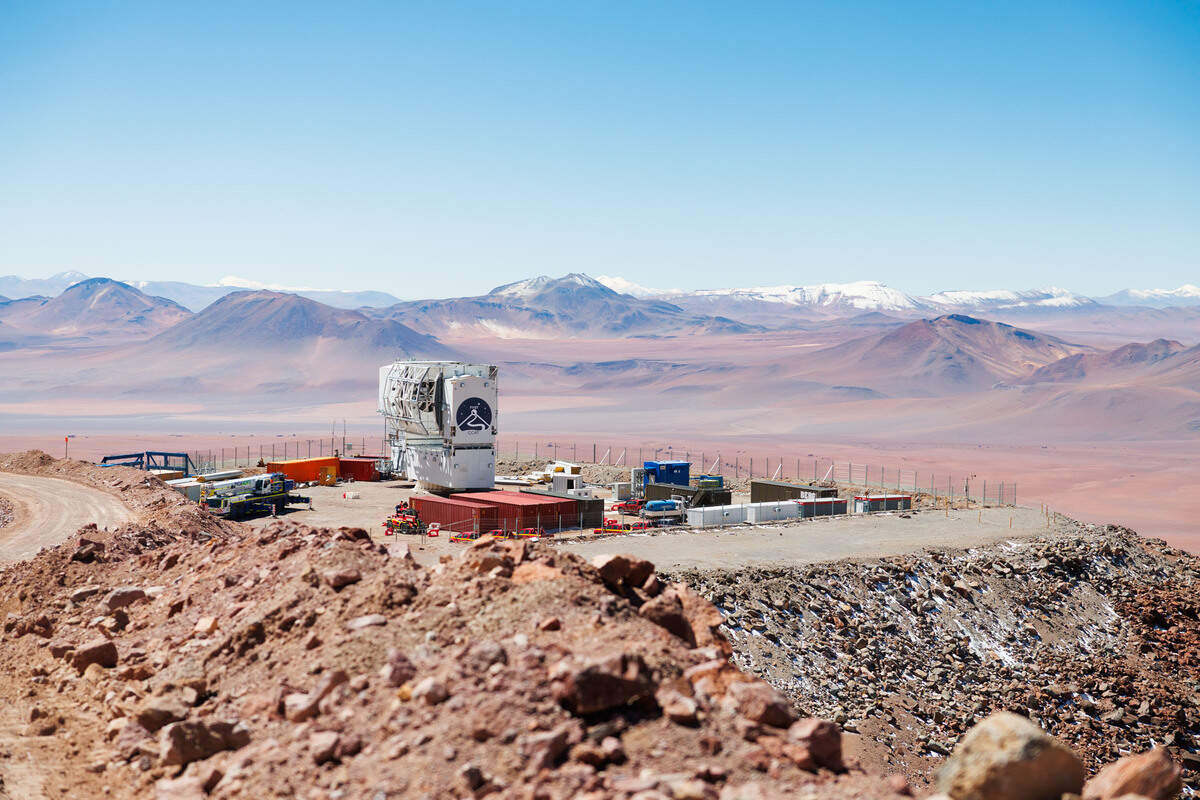
Spending the last decade on this mission left Vavagiakis with a profound appreciation for the FYST. Still, even as she gazes at the stars, she remains grounded.
“Being up there, it reminds me about how precious life is on Earth, and how grateful I am to be there doing anything, let alone astronomy,” Vavagiakis said. “Despite everything, I still tell people all the time, Earth is my favorite planet.”
This story was originally published June 19, 2026 at 9:52 AM with the headline "Duke scientist seeks answers to universe’s biggest mysteries with new telescope."