What’s the difference between a storm watch and a warning? What weather alerts mean
READ MORE
Tracking Ian
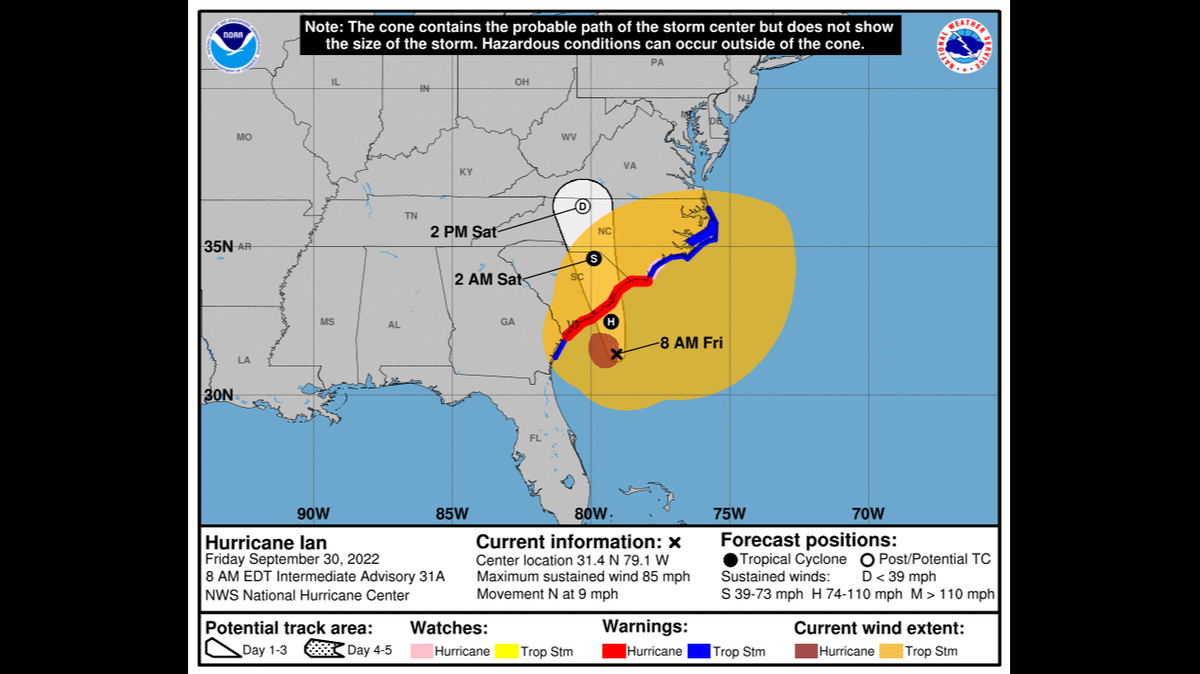
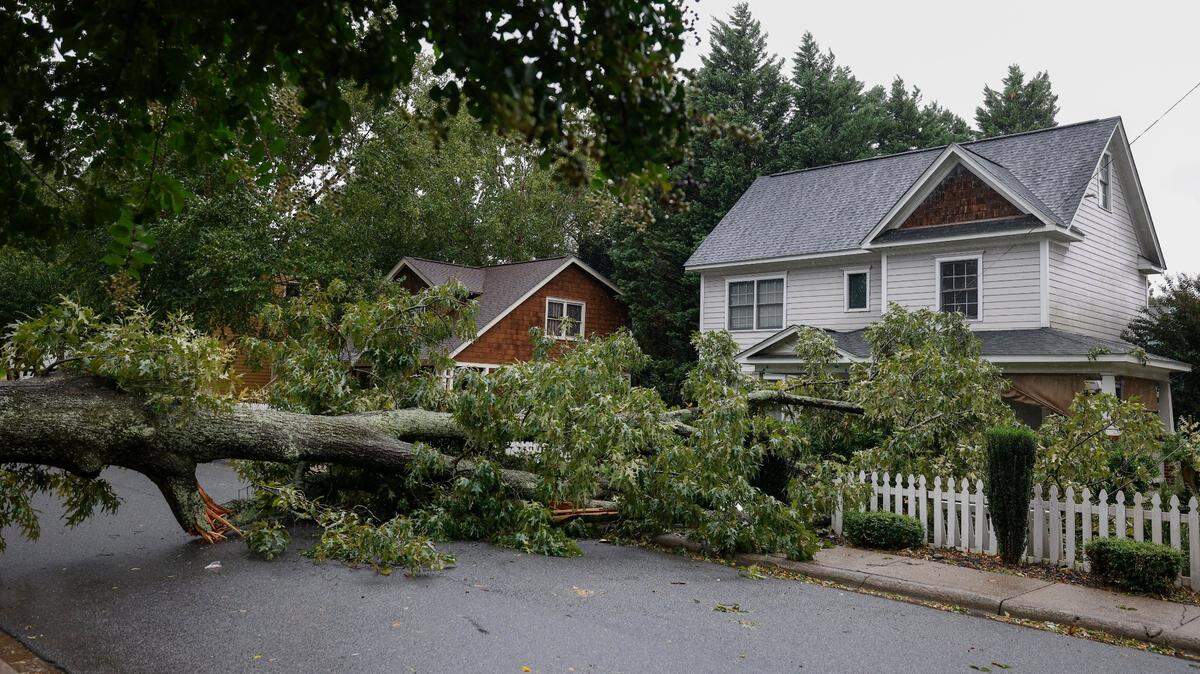
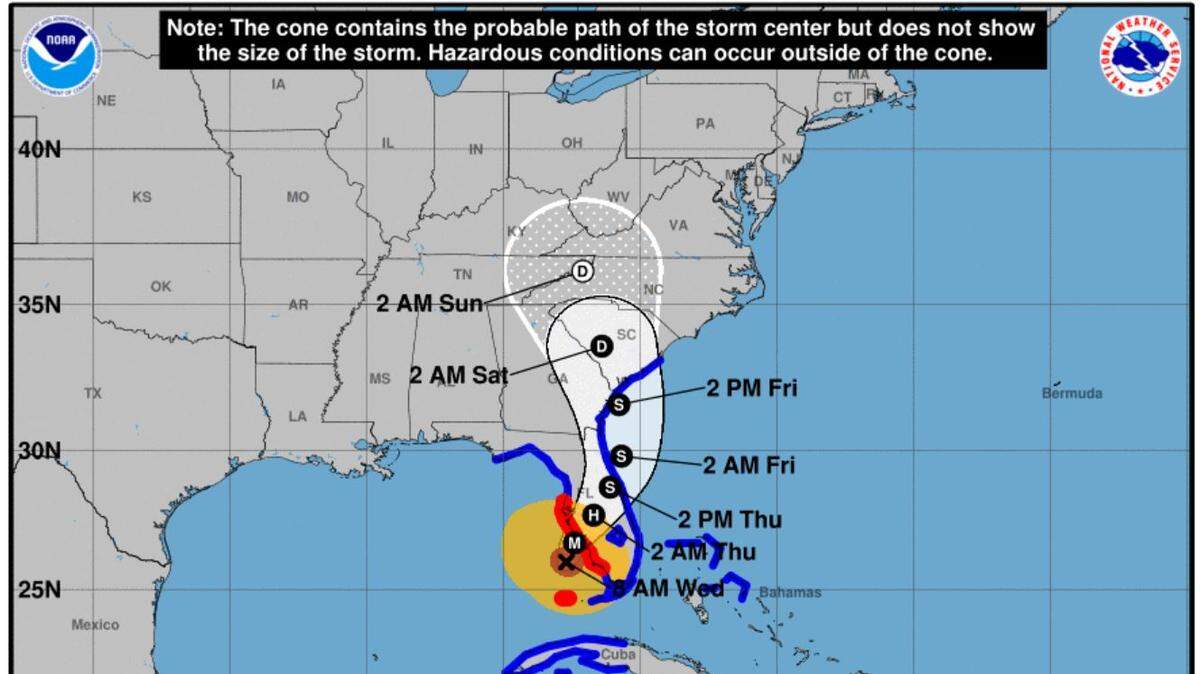
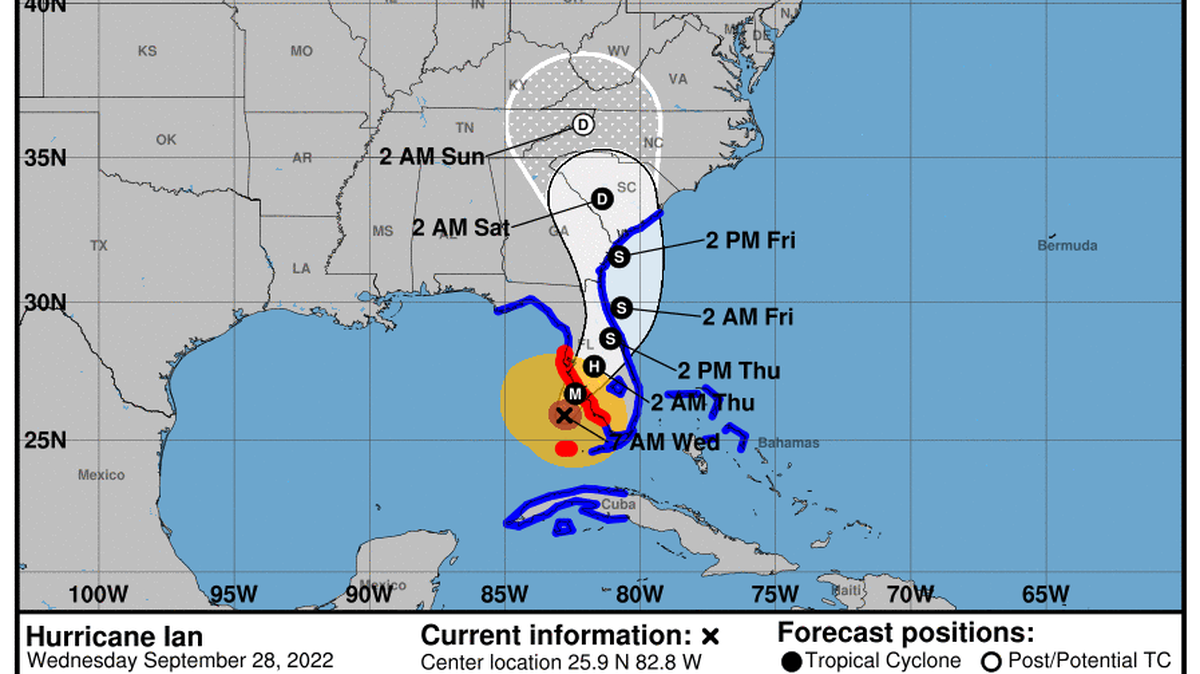
Ian could pack wind gusts of 35 mph to 40 mph, enough to topple trees in soil weakened by the tropical storm’s expected 4 inches to 6 inches of rain this weekend. This is the latest information on the storm.
Expand All
The Charlotte area is under a tropical storm warning with Hurricane Ian expected to drop a significant amount of heavy rain throughout the weekend.
And that means phones buzzing and social media lighting up with warnings about potential weather impacts from high winds.
While local meteorologists can also offer important insights, the National Weather Service is the authority on weather-related advisories. Different types of alerts from the National Weather Service — from advisories to watches and warnings — mean different things and call for different actions from the public to keep safe.
Here’s what to know about the various weather advisories often issued in the Charlotte area and what they mean you should do:
Severe thunderstorm watch vs. severe thunderstorm warning
Severe thunderstorms — which are defined by the National Weather Service as storms with “winds of 58 mph or higher and/or hail 1 inch in diameter or larger” — are some of the more common spring weather events, meaning watches and warnings for them are common too.
A severe thunderstorm watch means storms that meet the criteria “are possible in and near the watch area.” “It does not mean that they will occur. It only means they are possible,” the weather service says.
If you see a watch issued, it’s a good idea to keep an eye out for further news from the National Weather Service and local media and make sure you’ve got outside items such as patio furniture secured.
A severe thunderstorm warning means storms that meet the criteria “are occurring or imminent in the warning area.” When warnings are issued, it’s even more important to be alert to further advisories. You should also stay inside until the storm has passed if possible, to avoid potentially dangerous road conditions.
Tropical weather watches and warnings
As an inland city, Charlotte historically isn’t in the crosshairs of tropical weather as often as some of the Carolinas’ more coastal regions. But that doesn’t mean the area doesn’t sometimes feel the impacts of storms that make landfall on the coast then move across the state.
Such events could lead to the weather service issuing tropical storm watches or warnings — which means “tropical storm conditions (sustained winds of 39 to 73 mph) are possible within the specified area within 48 hours” or “tropical storm conditions (sustained winds of 39 to 73 mph) are expected within your area within 36 hours.”
Hurricane watches and warnings can also be issued, though they’re less common as storms tend to have weakened below hurricane levels when they’ve been inland enough to reach Charlotte.
Flood watches and warnings
There are a few different kinds of flood-related warnings that may be issued for communities in the Carolinas.
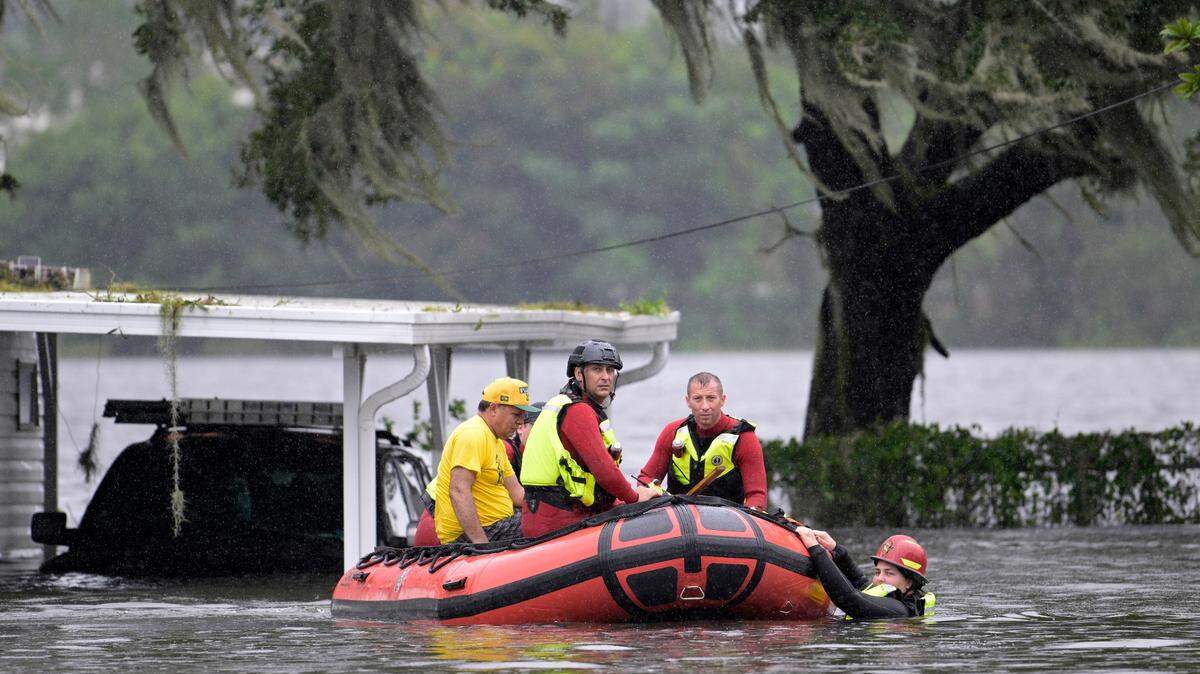
The heavy rains that can fall during spring storms can cause flash floods: floods that are “caused by heavy or excessive rainfall in a short period of time, generally less than 6 hours.”
Flash flood watches are issued when “conditions are favorable for flash flooding.” When watches are issued, you should keep an eye out for standing water, especially when driving in areas that are prone to flooding.
A flash flood warning means flooding “is imminent or occurring.” You should stay inside to avoid getting caught in flood waters, especially if you’re in a flood-prone area.
Flooding, the National Weather Service explains, “is a longer-term event than flash flooding: it may last days or weeks.”
A flood watch means “conditions are favorable for flooding” and you should start to prepare your home for potential impacts.
Flood warnings are issued “when flooding is imminent or occurring” and mean you need to seek shelter and be prepared for standing water to last for days or weeks.
If you live near a river, you should also keep an eye out for river flood watches and warnings, which mean rivers may or are flooding in your area.
And if you live on the coast, you may also see advisories, watches or warnings for coastal flooding. Advisories are issued “when minor or nuisance coastal flooding is occurring or imminent,” and watches and warnings mean “moderate to major coastal flooding” is possible or imminent.
Wind advisory
Spring storms can also bring high winds that can cause damage.
Wind advisories mean “sustained winds of 31 to 39 mph for an hour or more and/or wind gusts of 46 to 57 mph for any duration are expected.” You should make sure outside items such as patio furniture are secured to prevent them from causing damage and keep an eye out for flying debris.
High wind watches and warnings may also be issued and mean “sustained winds of 40 mph or higher for one hour or more and/or wind gusts of 58 mph or higher for any duration and possible or expected.”
Again, you should make sure any outdoor items are secured and also watch for things such as downed tree limbs and power lines while driving.
Tornado watch vs. tornado warning
Hurricanes can sometimes produce tornadoes. The difference between tornado watches and warnings is similar to severe thunderstorms.
A tornado watch means “severe thunderstorms and tornadoes are possible in and near the watch area.”
When a watch is issued, you need to keep a close eye on further weather news and make sure your tornado safety plan is in place and can be executed quickly.
A tornado warning means “a tornado is imminent.” If a tornado warning is issued, you need to take shelter immediately. That means going to the lowest level of your home, school or office. Preferably, you should be in an interior room with no windows.
How do tornado sirens work?
In addition to National Weather Service alerts and local media, some communities also have tornado sirens to alert people to the threat of a tornado.
While they’re not very common in the Carolinas, a few communities do have them. And if you hear them, you should go inside and check local media for more information immediately, the National Weather Service advises.
Some communities with sirens do test them regularly. If you’re hearing the sirens at about the same time every week or month and not seeing anything on the news about a threat, it’s likely testing. You can call your city, town or county’s non-emergency line to verify that.
This story was originally published September 30, 2022 at 9:27 AM.