It’s hurricane season. Should you buy a generator for power outages? Here’s how to decide
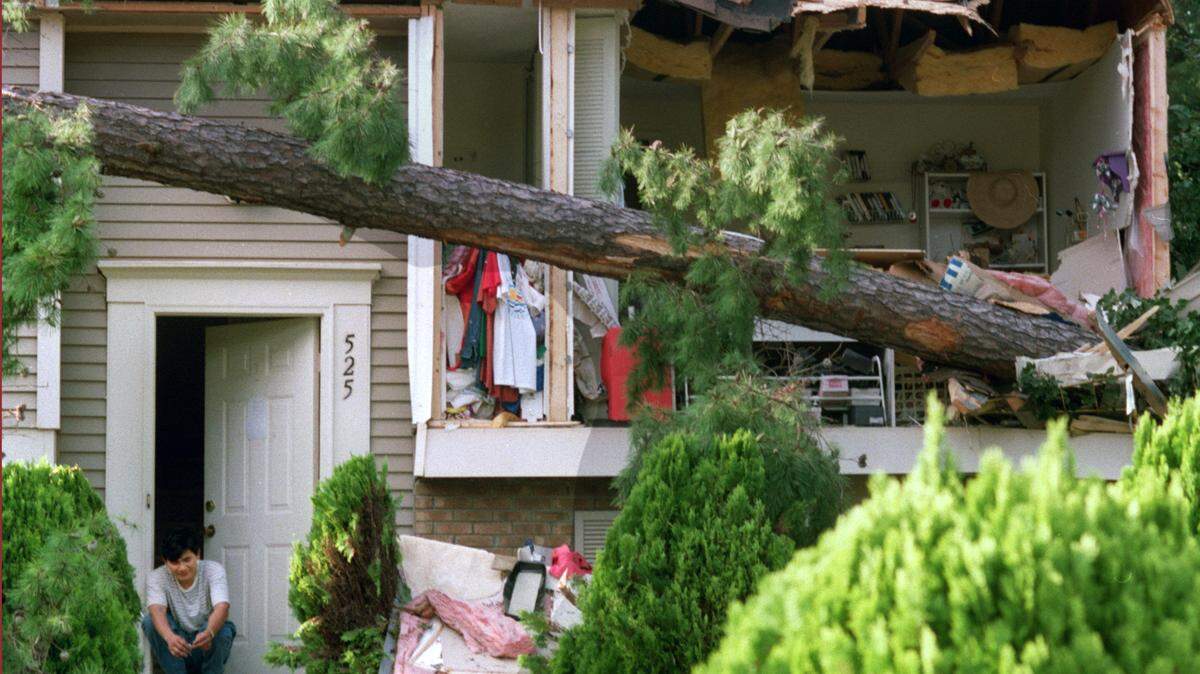
If a hurricane or tropical storm hits North Carolina this season — and forecasters say there’s a better-than-average chance one will — depending on the damage, your house could be without power for days or even a couple of weeks.
Do you need to buy a generator?
The best time to make that decision is before a storm spins onto the National Hurricane Center’s tropical forecast map and shoppers at the home-improvement stores start throwing elbows to reach the remaining inventory. But just because you can get one now, while supplies are good, it doesn’t mean you should.
Here are some factors to help you decide whether a generator is worth the investment.
Whole-house generators
First, answer this question: Can you and your family survive up to two weeks without electricity?
This is not about teenagers thinking they’ll just die if they can’t text their friends.
It’s an existential question. Does someone in your household rely on electrically powered medical equipment to survive? Electric wheelchairs, oxygen concentrators, refrigeration for diabetes drugs, and air conditioning for people who can’t tolerate heat all need a reliable source of power.
Suppose you plan to stay in your home during an extended power outage, whether it’s caused by tropical weather or winter storms. In that case, it’s worth looking into a whole-house generator that can run several appliances for relatively long periods.
Pricing factors include your home’s square footage, whether the generator will run off natural gas, liquid propane, diesel or solar, and other features such as whether the device comes on automatically or has to be turned on by hand.
Besides the cost of the generator, you’ll need to budget for professional installation, annual maintenance and fuel costs to ensure it works when you need it.
Total cost: Purchase and installation can run from around $4,000 to more than $20,000.
If you know you need power no matter what and don’t have a whole-house generator, make a plan to stay with friends, family or at a motel outside the storm’s forecast track.
Portable generators
For nearly everyone else, deciding whether to get a generator and how big it needs to be requires an honest evaluation of your tolerance for discomfort, inconvenience and boredom.
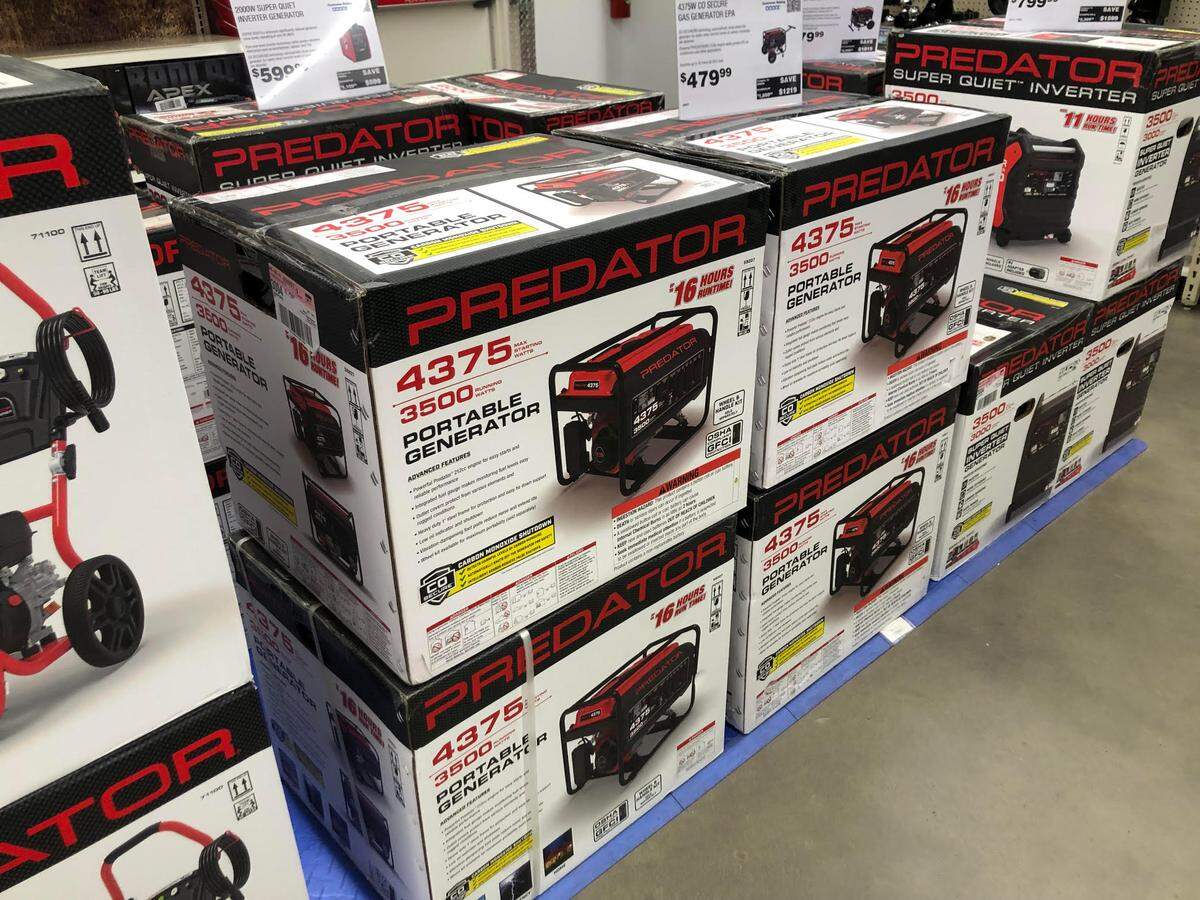
If you don’t meet the need threshold for a whole-house generator but want back-up power beyond what’s available from running your car or sitting in a booth at a Waffle House where the lights are on, a portable generator is the solution.
Portable generators range in price from several hundred dollars to more than $10,000, depending on how many devices they can run simultaneously, whether they have inverters (best for use with sensitive electronics), how long they can go on a tank of fuel, what kind of fuel they use, whether they start with a switch or a recoil rope, and how much noise and pollution they emit.
Remember that generators are small internal combustion engines and must be properly maintained to run reliably. Even if you bought one last year before Hurricane Idalia and never used it, have it checked out before another storm looms.
For safety reasons:
▪ Place the generator at least 20 feet away from the house, preferably under a shelter or shed, with the exhaust venting away from the home to prevent carbon monoxide from entering the house.
▪ Never operate a generator inside the home or in an attached garage. Carbon monoxide kills.
▪ Plug devices directly into the generator or use heavy-duty outdoor-approved extension cords to prevent overheating and fire.
▪ Never refuel a generator while it’s running.
Which kind of generator do you need?
Tools-and-equipment retailer Harbor Freight has a handy online questionnaire to help shoppers decide what type of generator to buy. It begins with how the machine will be used: for back-up or emergency power; recreational vehicles; outdoor recreation; or on the job.
From there, shoppers click through to determine whether they need low (under 3,000 watts), medium (from 3,000 to 8,000 watts) or high (more than 8,000 watts) power.
A generator that’s too small can be overloaded and will either shut off automatically or overheat, potentially damaging the generator or the devices it was trying to charge. A generator that’s too big will cost more to buy and operate than needed.
Electricians advise that you list every appliance or device you want to operate off the generator, then get the wattage from the device or off the internet. Honda Power Equipment has a wattage estimator on its website but says to consider that you won’t be running every device all the time.
Inverter generators
Both whole-house and portable generators can be inverter generators, which use an alternator to convert the alternating current from the generator into direct current that’s stored in the batteries of cell phones, tablets, laptops and other mobile devices.
Inverter generators are safer for those sensitive electronics but cost more.
Low-power generators
Low-power generators are those under 3,000 watts.
These can:
▪ Run emergency lighting
▪ Charge mobile devices
▪ Run small refrigerators, microwave ovens, hair dryers, toasters, electric stoves, power tools, etc., though not all at the same time. Experts say a refrigerator only needs to run 15 minutes per hour to stay cool if the door is kept closed, so it can be disconnected to allow other appliances to run.
Medium-power generators
Medium-power generators are those from 3,000 to 8,000 watts.
These can run larger individual devices and more devices at once. They can power:
▪ Televisions
▪ Refrigerators
▪ Mobile devices
▪ Small air conditioners or other small appliances
▪ Multiple lights
High-power generators
High-power generators are more than 8,000 watts.
These are needed for larger, higher-wattage appliances such as:
▪ Central air conditioners or heating systems
▪ Sump pumps
▪ Multiple household appliances at once
This story was originally published August 5, 2024 at 9:45 AM with the headline "It’s hurricane season. Should you buy a generator for power outages? Here’s how to decide."