How are NC roads prepped for winter storms? We asked an expert
AI-generated summary reviewed by our newsroom.
- Raleigh applied about 57,000 gallons of brine across roughly 750 miles.
- Salt remains the primary defense but loses effectiveness below about 20°F.
- Officials urge staying off roads; if travel is necessary following these safety steps.
A powerful winter storm is poised to move into North Carolina this weekend, bringing the potential for snow, ice and dangerously cold temperatures.
Forecasters warn that even small amounts of accumulation could create hazardous travel conditions, especially as a sharp cold snap follows the system. With impacts expected across much of the state, officials are urging residents to prepare before the first flakes fall.
“Starting Saturday, please stay off the roads unless absolutely necessary,” Gov. Josh Stein said in a news release Friday. “Prepare everything you need to stay warm, fed, and safe in your homes for at least a few days. We are taking this storm seriously, and so should you. Let’s work together to keep ourselves and each other safe.”
Officials are preparing for the storm as well, prepping roads for potentially hazardous conditions. Here’s what you need to know about that process, and how to stay safe if you need to go out.
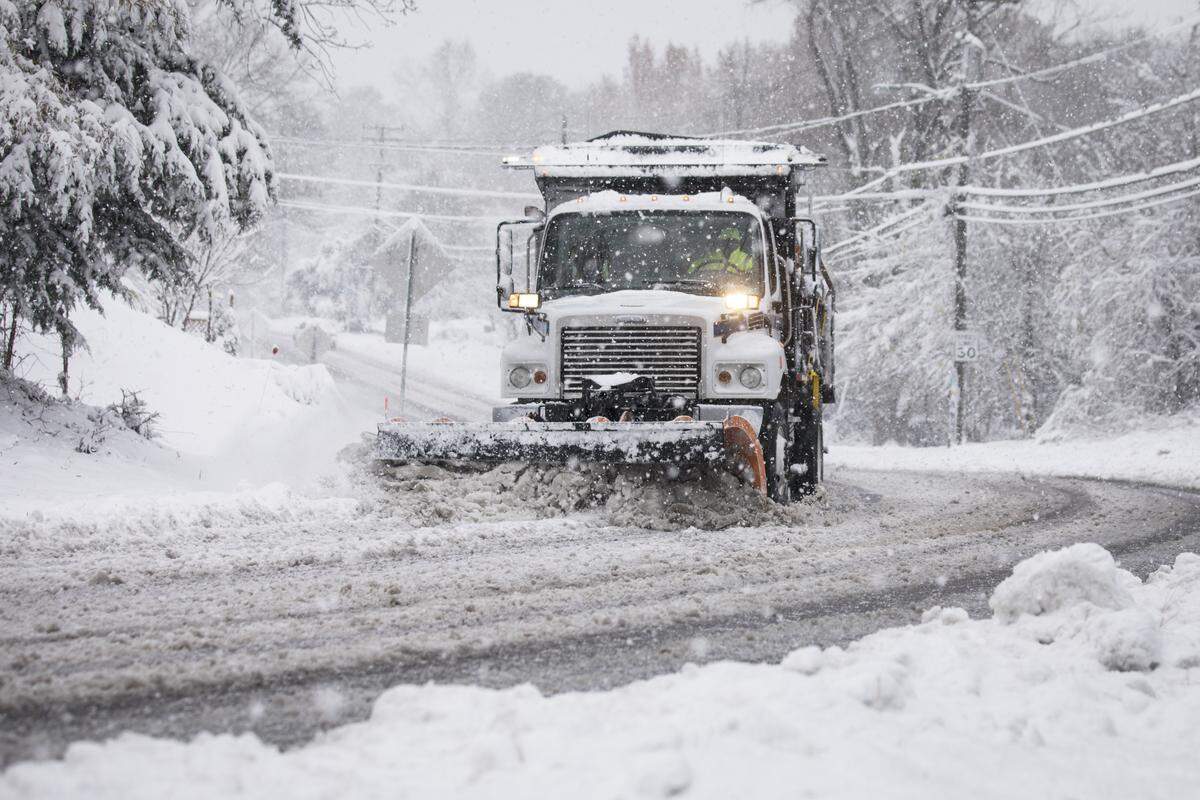
How are roads prepped for the storm?
The City of Raleigh has laid down about 57,000 gallons of brine, a salt-and-water mixture, across roughly 750 miles of major streets, using 12 trucks over a 10-hour push, Steve Halsey, Raleigh’s assistant transportation director, told The News & Observer.
The goal, Halsey said, is to create basic north-south and east-west routes that connect to even higher-volume state roads.
“We’re trying to do the highest-trafficked roads to get to the even higher-volume DOT roads,” he said. “Obviously, we’re not equipped to pretreat every road in our system.”
There’s no public map showing which streets have been treated, but drivers can look for white streaks on the pavement, a sign that brine has been applied.
Salt remains the first line of defense against snow and ice, though its effectiveness drops sharply in extreme cold, Halsey said.
“When you start getting into ice and extremely cold temperatures, especially below about 20 degrees, the salt becomes less and less effective,” Halsey said, noting that around 17 degrees it stops working altogether.
On roads across the state, 2.8 million gallons of brine have been applied, and crews are ready to deploy more than 1,250 dump trucks that can be equipped with plows and spreaders, according to a Friday, Jan. 23 news release from Stein’s office. More than 900 contact trucks are also available for clearing roads.
How to stay safe while driving on ice
The N.C. Department of Public Safety recommends staying off the road during snowstorms, but if you have to drive, you can use these tips to stay safe:
- Use windshield wipers and turn on the low beam headlights.
- Check your tire pressure and battery power (colder temperatures cause the pressure and power to drop).
- Defrost windows.
- Reduce speed and increase following distance, allowing you more time to stop.
- If you start to slide, take your foot off the gas and do not slam on the brakes. Steer in the direction of the skid.
- Watch for shady spots, bridges and overpasses. They will be the first to freeze as the temperatures drop.
- When starting or stopping on snowy or icy roads, increase or decrease your speed slowly. This will help tires keep traction with the road.
- Do not use cruise control.
- Keep your gas tank at least half full at all times to prevent moisture from freezing the lines.
- Carry a stocked emergency kit.
News & Observer reporters Dawn Vaughan and Anna Roman contributed to this story.
This story was originally published January 23, 2026 at 2:40 PM with the headline "How are NC roads prepped for winter storms? We asked an expert."